
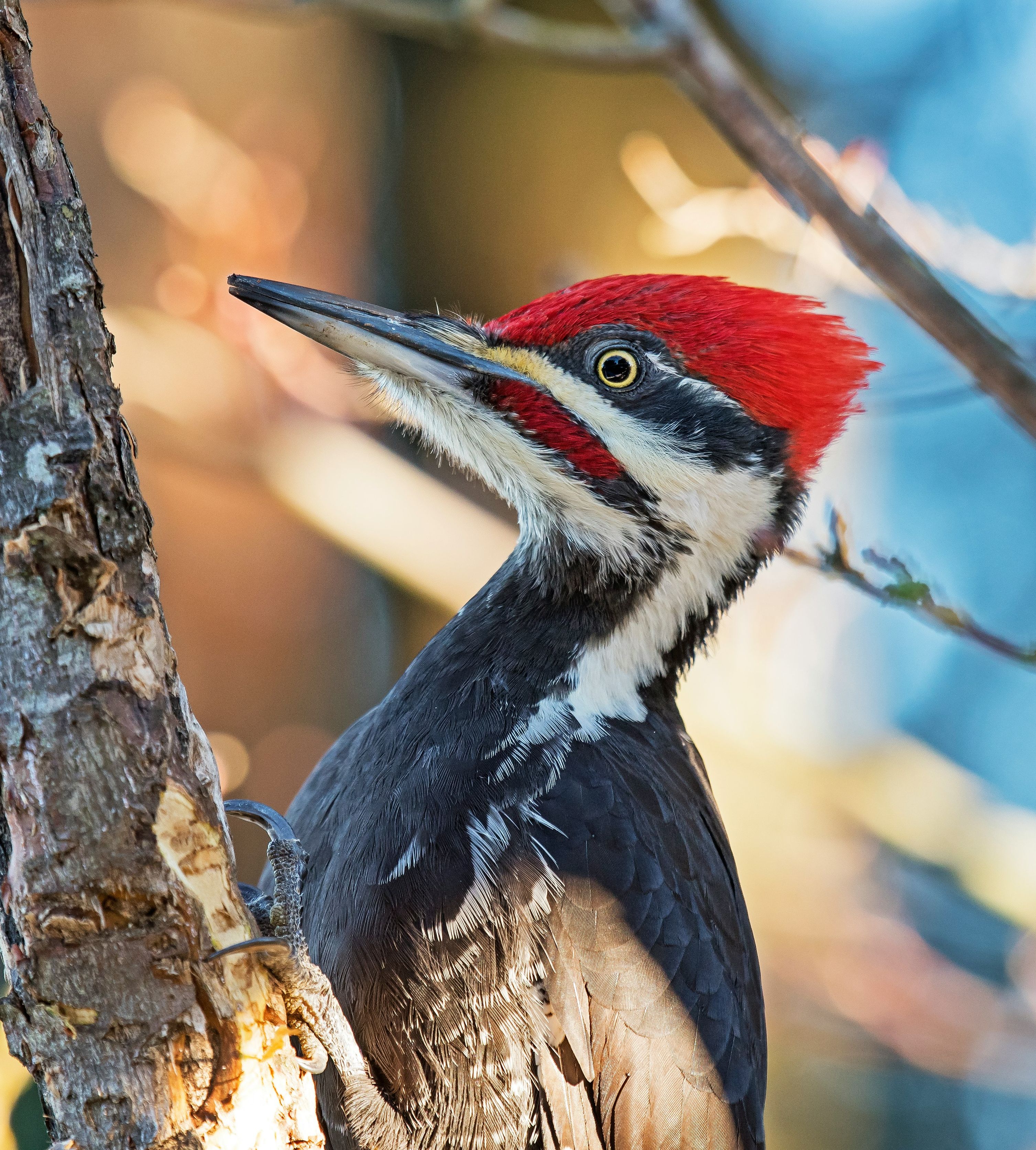
Piliated Woodpecker
Credit Bill Pennell on Unsplash
The remarkable Woodpecker: Built with a machine-like design
There is a wonderful variety of woodpeckers around the world, coming in many shapes and sizes — from the tiny ones in Asia and South America to the larger types found in India, North America, and Cuba. No matter where they are, these incredible birds are like little hammers, with lots of strength.
Woodpeckers have strong bills used for drilling and drumming on trees, along with long, sticky tongues to help them catch food. These special features not only help in finding insect prey inside tree trunks and branches but also assist in communication.
https://en.wikipedia.org/wiki/Woodpecker
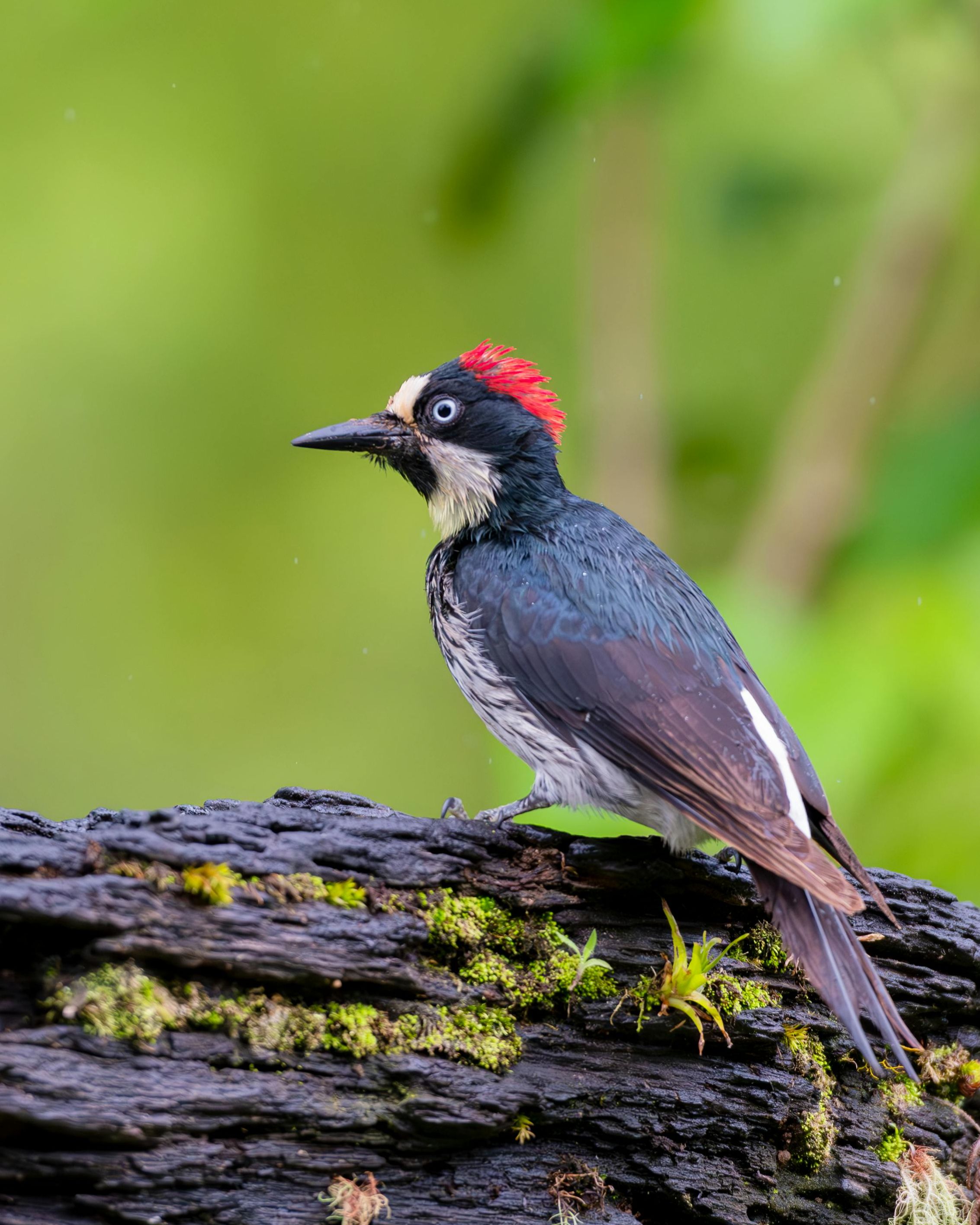
Credit Enrique Hidalgo on Pexels
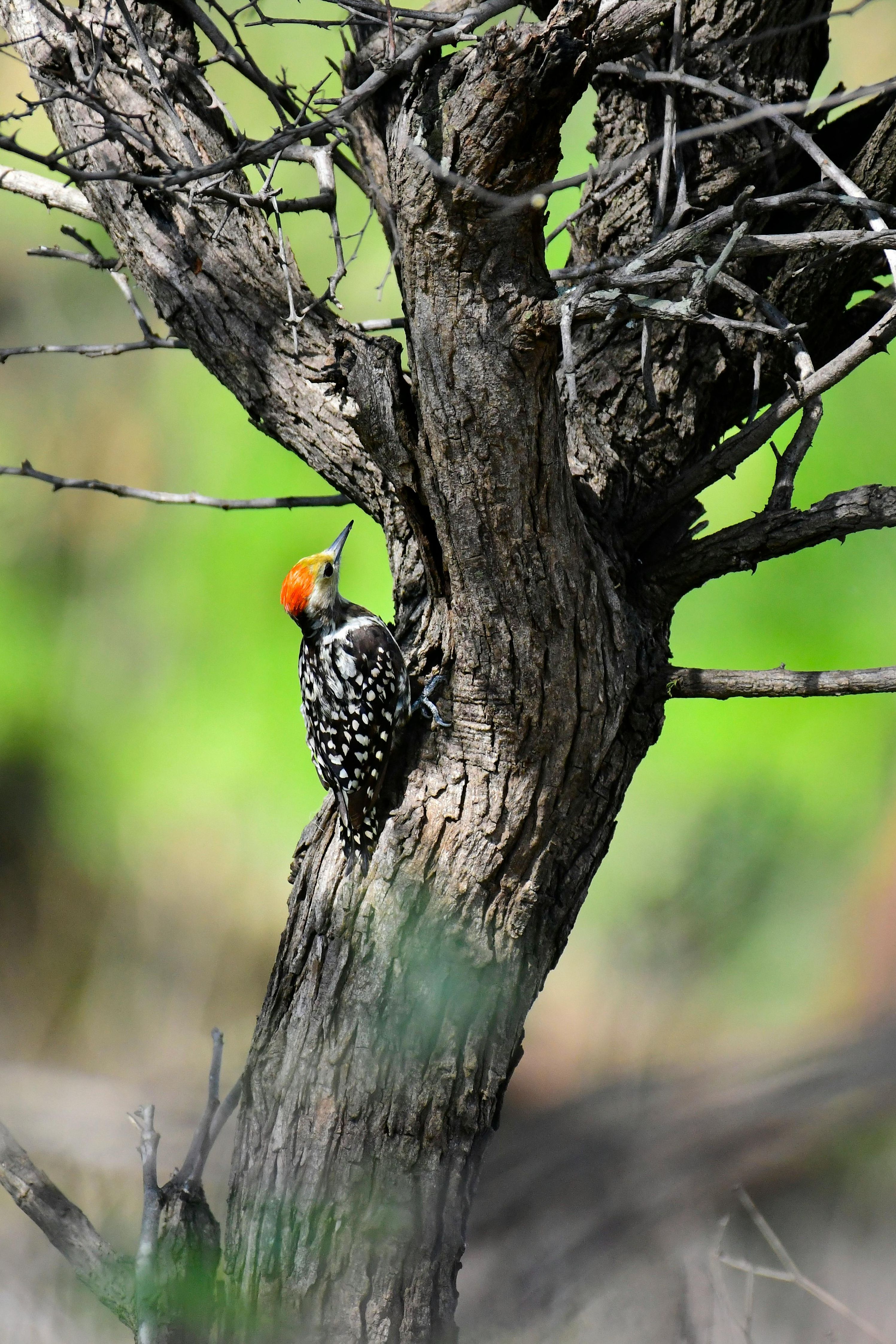
Close-Up Photo Of Woodpecker Perched On Tree
Credit Rajukhan Pathan on Pexels
Many woodpecker behaviors, like foraging, breeding, and signaling, involve drumming and hammering with their bills. To prevent brain damage from these rapid, forceful impacts, they have several physical adaptations that protect their brains. These include a small, smooth brain; a narrow subdural space; and minimal cerebrospinal fluid, which limits brain movement during pecking.
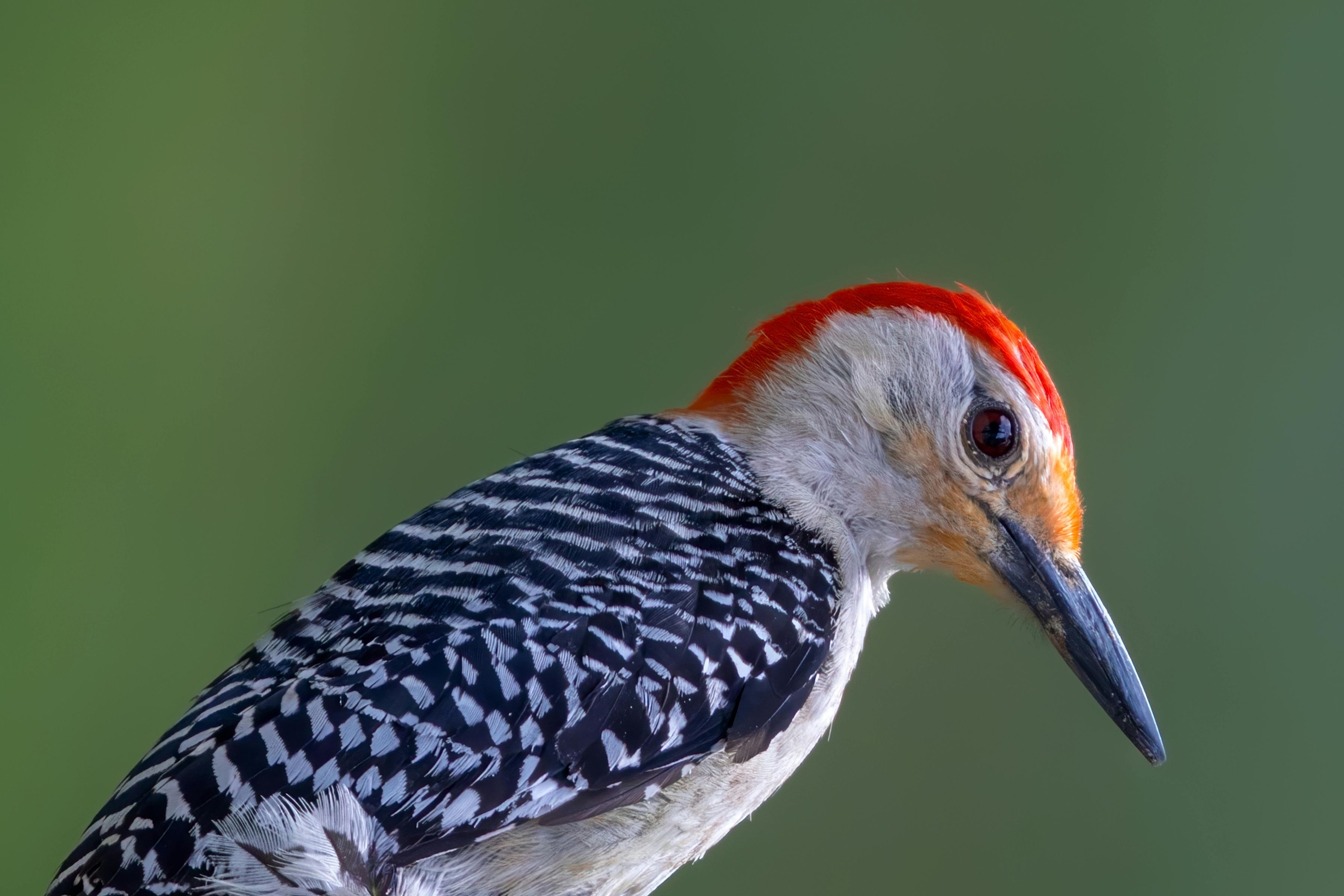
A Red-bellied Woodpecker
Credit Mohan Nannapaneni on Pexels
Computer simulations have shown that 99.7% of the energy generated in pecking is stored in the form of strain energy, which is distributed throughout the bird’s body, with only a small remaining fraction of the energy going into the brain. The pecking also causes the woodpecker’s skull to heat up, which is part of why they often peck in short bursts with brief breaks in between, giving the head time to cool.
During the millisecond before contact with wood, a thickened nictitating membrane closes, protecting the eye from flying debris. These membranes also prevent the retina from tearing. Their nostrils are also protected; they are often slit-like and have special feathers to cover them. Woodpeckers are capable of repeated pecking on a tree at high decelerations on the order of 10,000 m/s2 (33,000 ft/s2) (1000 g).
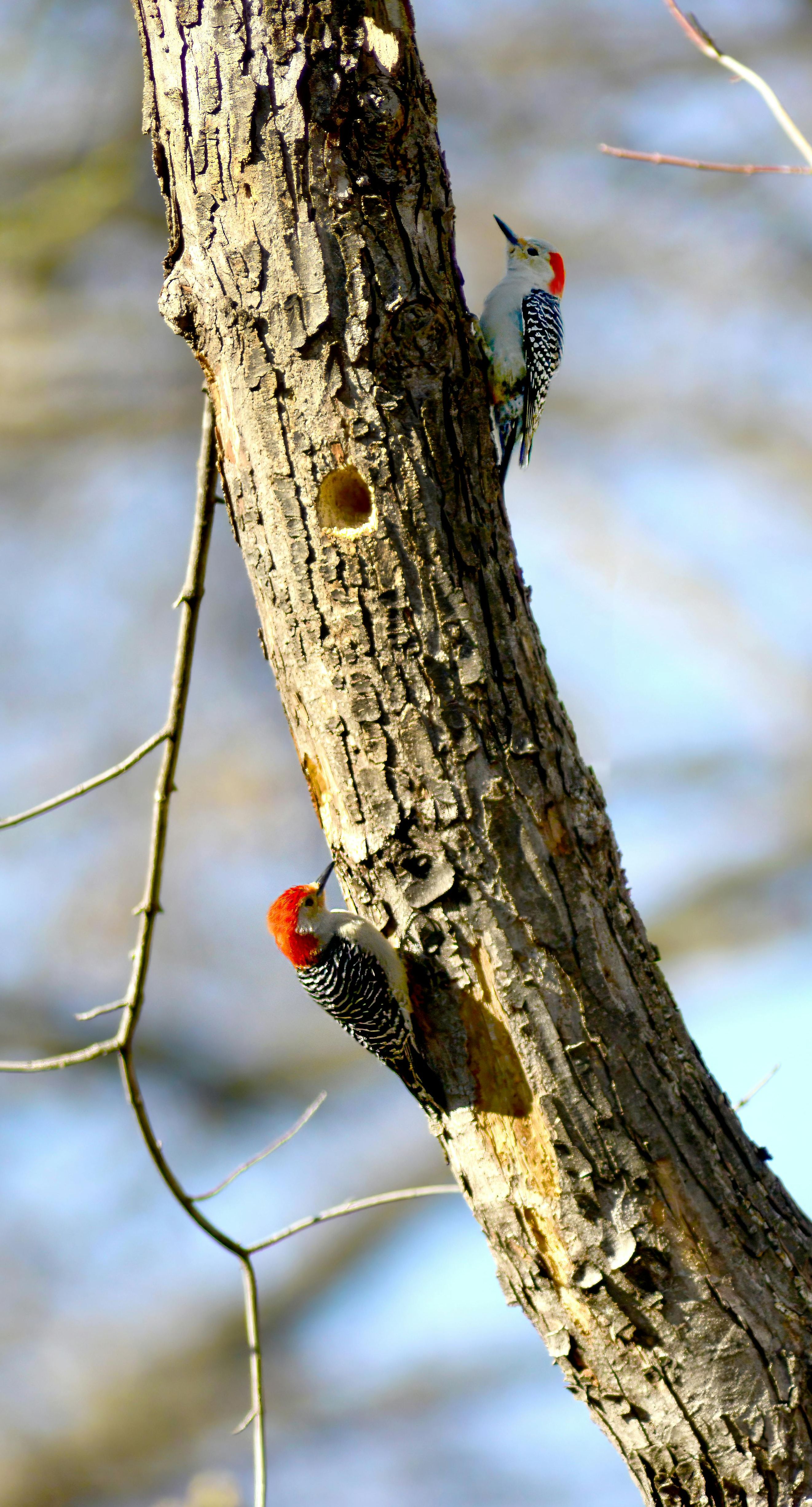
Two Red-bellied Woodpeckers
Credit Greg Peters on Pexels
A recent Scientific American article highlights the woodpecker’s extraordinary ability to withstand forces over 30 times its body weight. It drills up to 13 times per second, acting like a natural hammer. Fully adapted for this pounding, the bird uses every muscle from head to tail with each strike. Additionally, it holds its breath like a weightlifter or tennis player, then releases it during each hit.
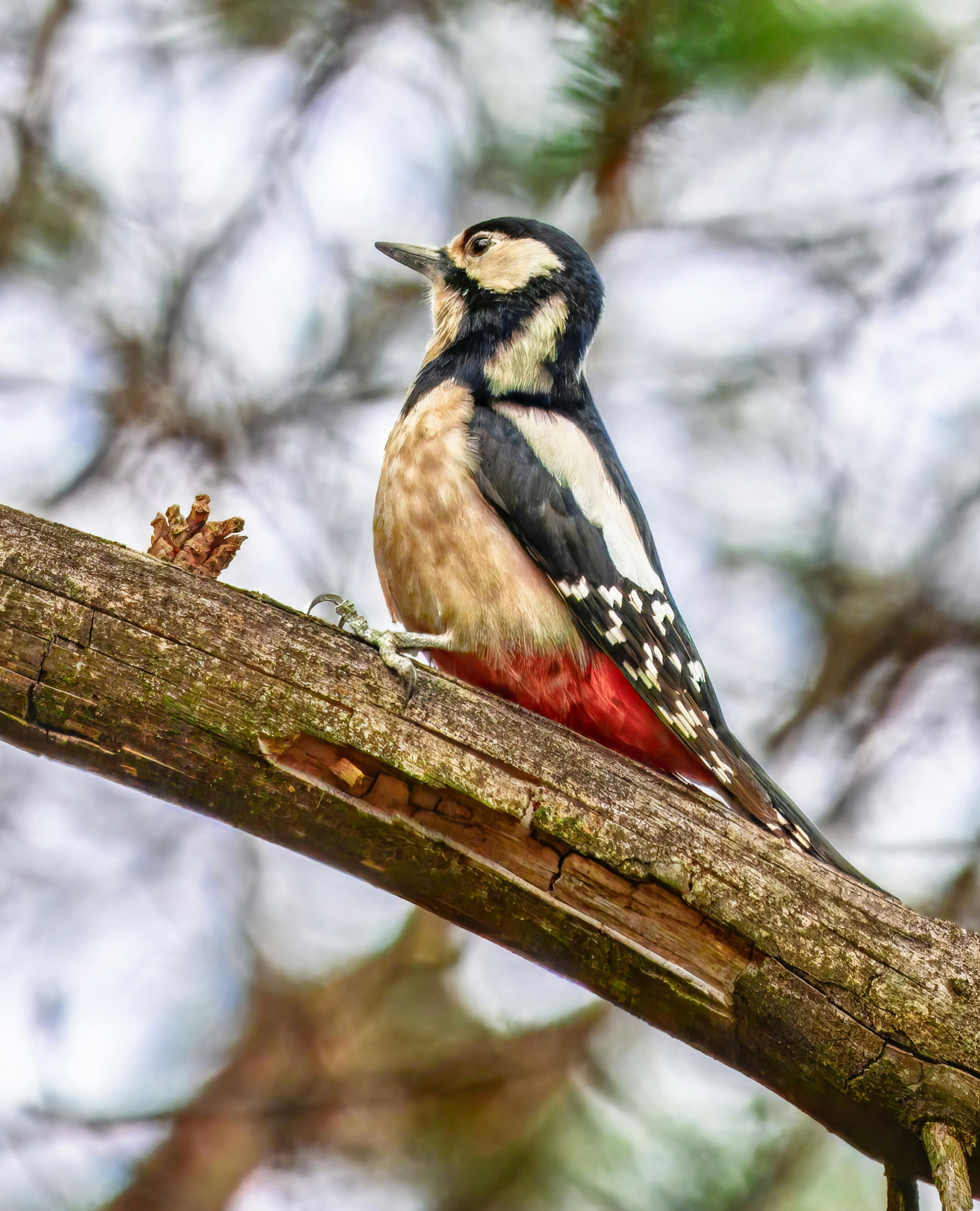
Spotted Woodpecker
Credit Fotoblend on Pexels
Woodpecker plumage ranges from dull to striking. Many species feature olive and brown tones, likely for camouflage, while some are pied, and others display bold black, white, and red patterns. Many also have a crest or tufted feathers crowns.
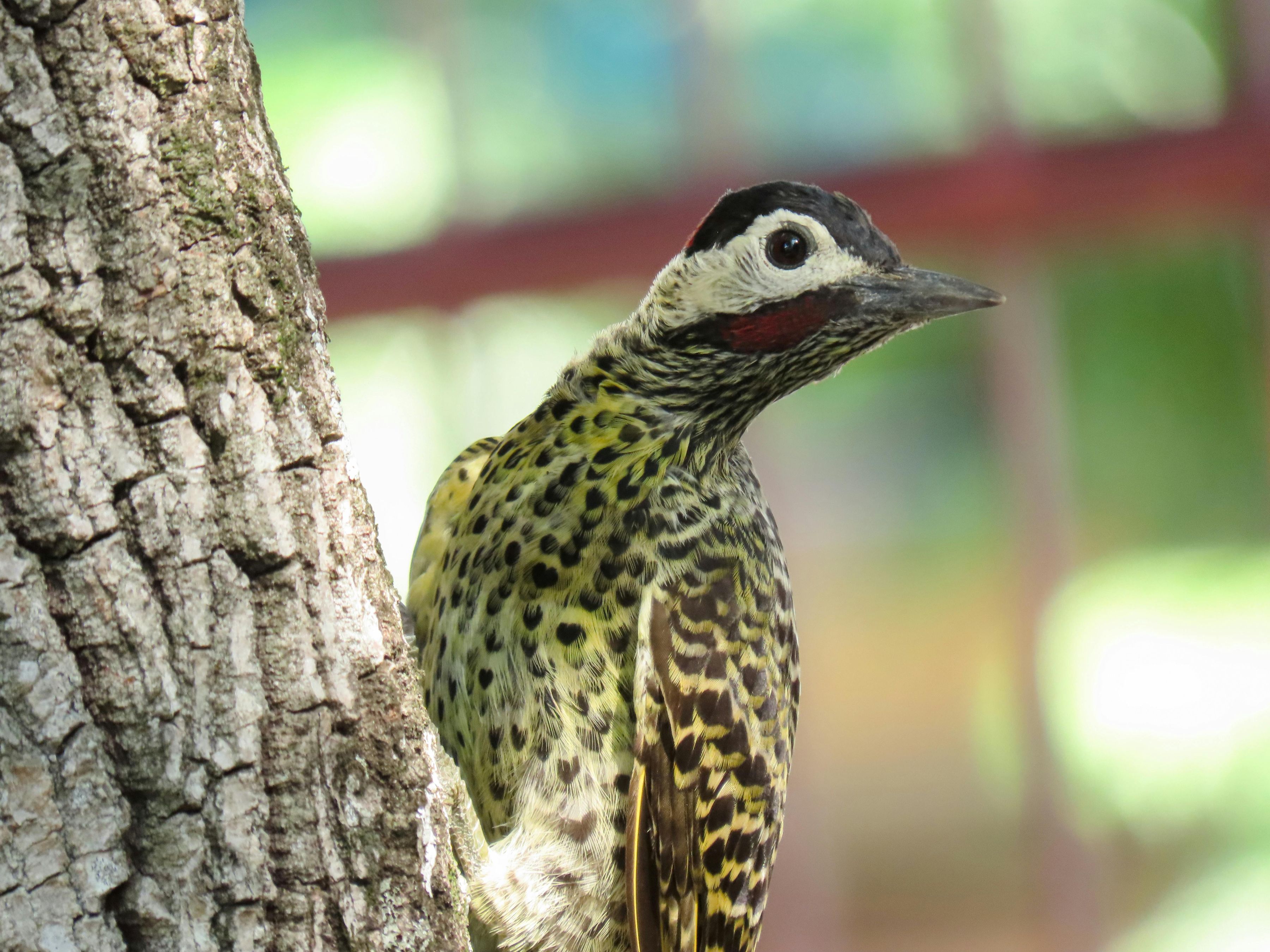
Vibrant Green-barred Woodpecker in the Brazilian Forest
Credit Patrícia Nicoloso on Pexels
The power of these birds cannot be ignored, and it shows us that all of nature functions as unique entities, each with its own special abilities. We have only just begun to explore the surface of their sophistication and complexity. This makes nature an ongoing journey of discovery.


