
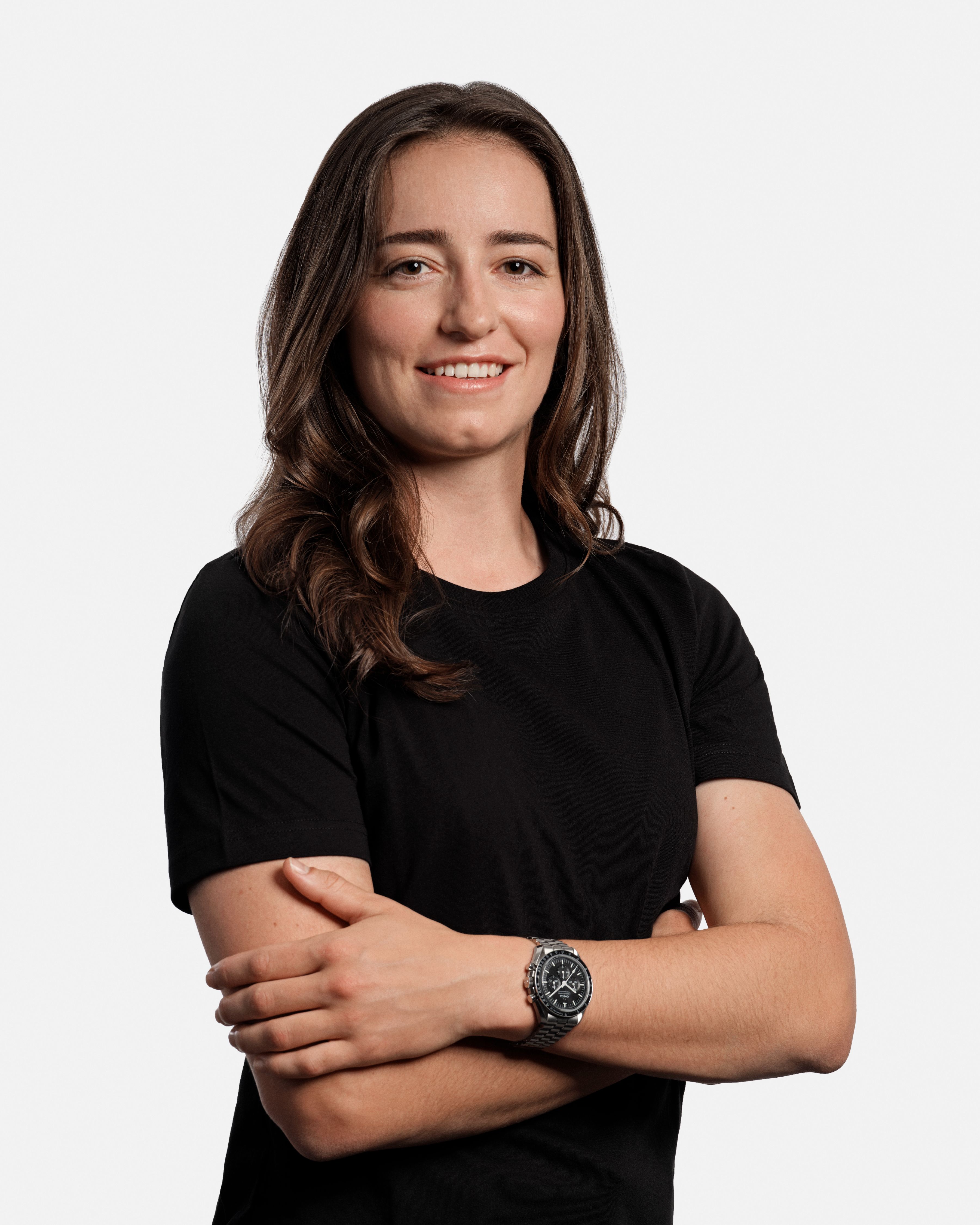
Behind every perfect run lies discipline, repetition, and quiet focus — the unseen world of elite performance.
Credit Getty Images
Mathilde Gremaud: The Mindset of an Olympic Champion — Courage, Timing and Flight
Sport is one of life’s greatest teachers, requiring courage, humility, and resilience before success. For Swiss Olympic champion Mathilde Gremaud, every jump, fall and victory forms part of a journey that extends far beyond the slopes. As an ambassador for Omega, she reflects on the mindset of an Olympic champion, and the role of precision and time in defining a moment.
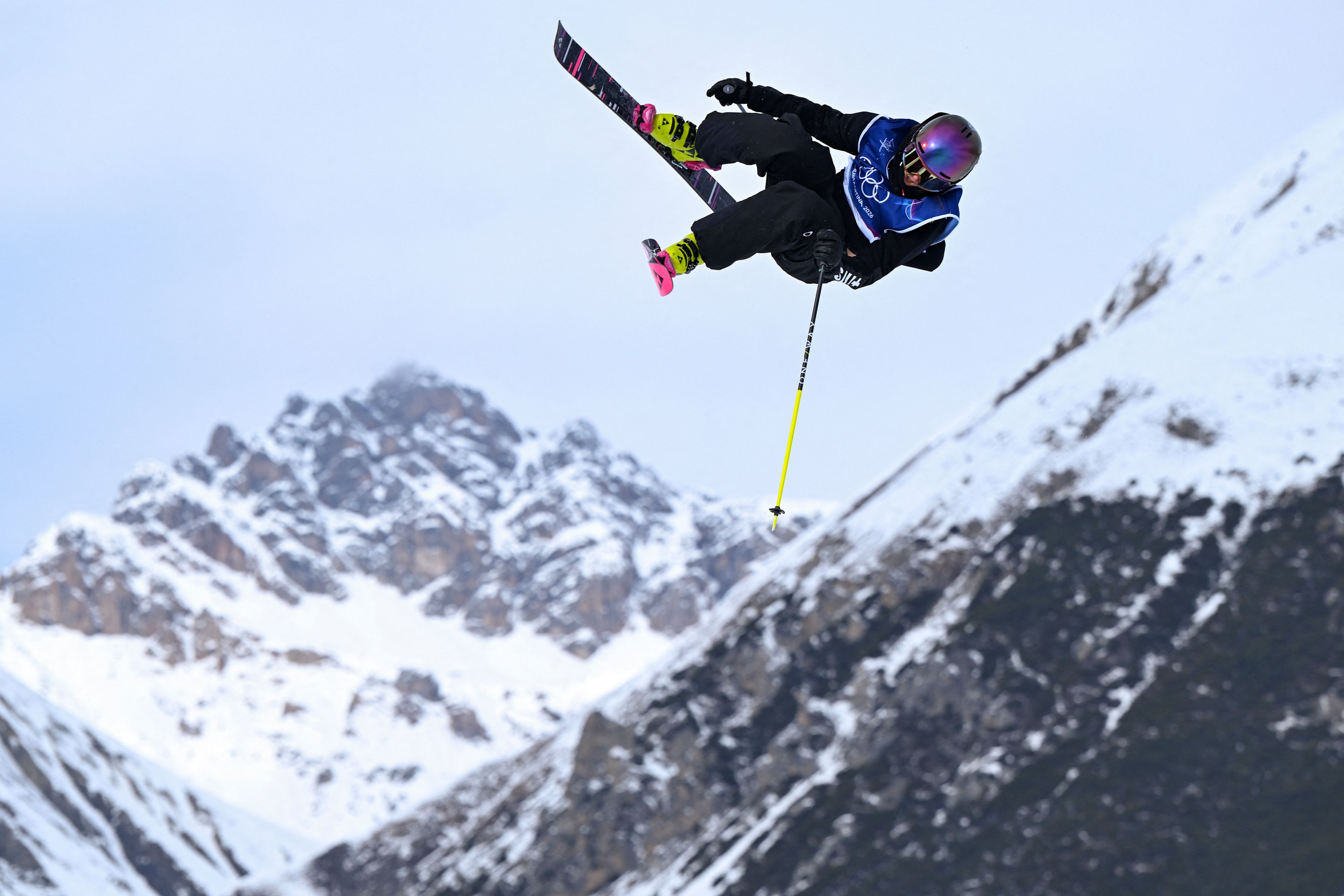
Between Time and Flight: Mathilde Gremaud
Credit Getty Images
High above the snow, suspended for a moment between gravity and flight, Mathilde Gremaud moves with a precision that feels almost instinctive. In freestyle skiing, there is no separation between body and mind — only timing, courage, and the willingness to commit fully to the unknown.
In sports, everything comes down to a moment — measured not only in motion but also in time. For over a century, Omega has captured those moments while athletes like Gremaud define them.
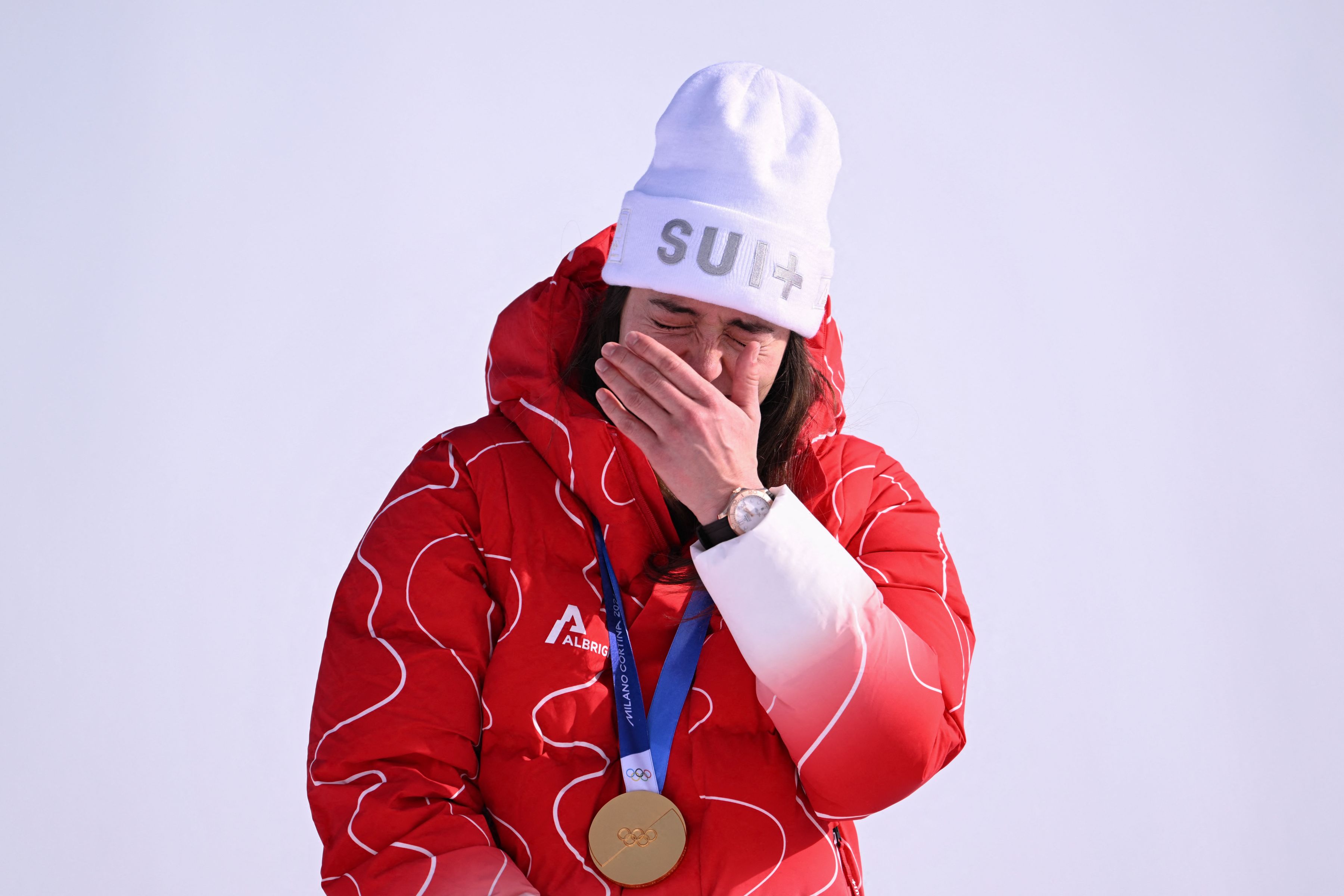
Time records the moment – Mathilde Gremaud, Gold medal winner for Freeski Slopestyle at the Winter Olympics Milano Cortina, Italy
Credit Getty Images
We spoke with Mathilde about courage, failure and the mindset required to reach the highest level of sport.
WiB – Many Olympians say their childhood shaped their resilience. What experiences from growing up in Switzerland helped build the confidence and independence that competitive freestyle skiing requires?
Mathilde – For me, it plays a big role in who I have become and where I am. I think this sports world, as I see it, can be pretty complicated and intense. We travel all around the world, and we’re not home a lot. The first thing that comes to mind is that I have really strong roots in where I came from. I don’t spend much time back home, but every time I’m there, I feel super good, and it feels simple. The values around where I come from still really resonate with me, where people are very grounded. We have one of the best cheeses in the world where I come from, which is handmade, and that’s something very deep in our traditions and in growing up as well. People who work with animals and the ground. I have those values and am surrounded by people who make a lot of sacrifices to pursue their job and their passion, even if it’s not easy. I’ve always been familiar with the fact that you have to make sacrifices, even if sometimes it’s not easy, but you also cannot give up your passion.
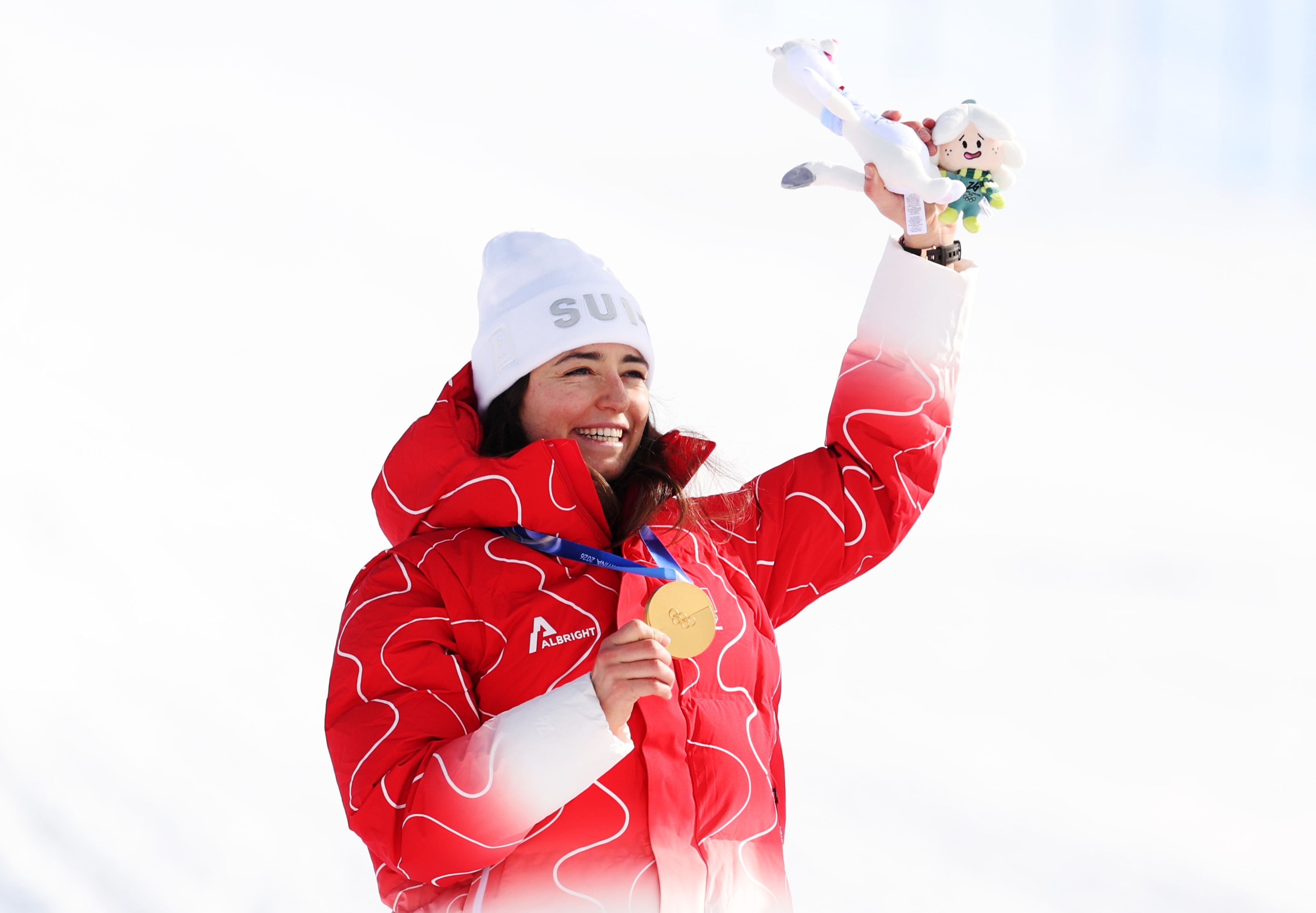
Time does not stand still — but certain moments stay with us forever – Mathilde Gremaud receiving the Gold medal at the Milano Cortina 2026 Winter Olympics
Credit Getty Images
Mathilde – If you’re not fully committed, you won’t be able to work the ground and produce cheese. These are the values I grew up with that translate very well into sports. I’m not from a farming family, but we were surrounded by them. Also, I don’t come from a very rich family; my family is very normal, and I like that my parents had to make choices too. We couldn’t do everything we wanted though we tried to do as many things as we could.
My parents’ strategy was to take a lot of opportunities, and I think that’s also something that helped me develop into who I am and not give up. You cannot always do what you want. But if you put all your effort into it, then you might get somewhere. So I think that’s how we work around the home and how it’s always been. So that’s definitely helped me a lot. And again, life is super simple at home, so this has helped me stay really grounded and reminds me of what I have at home and how I started just playing around the house and stuff like that.
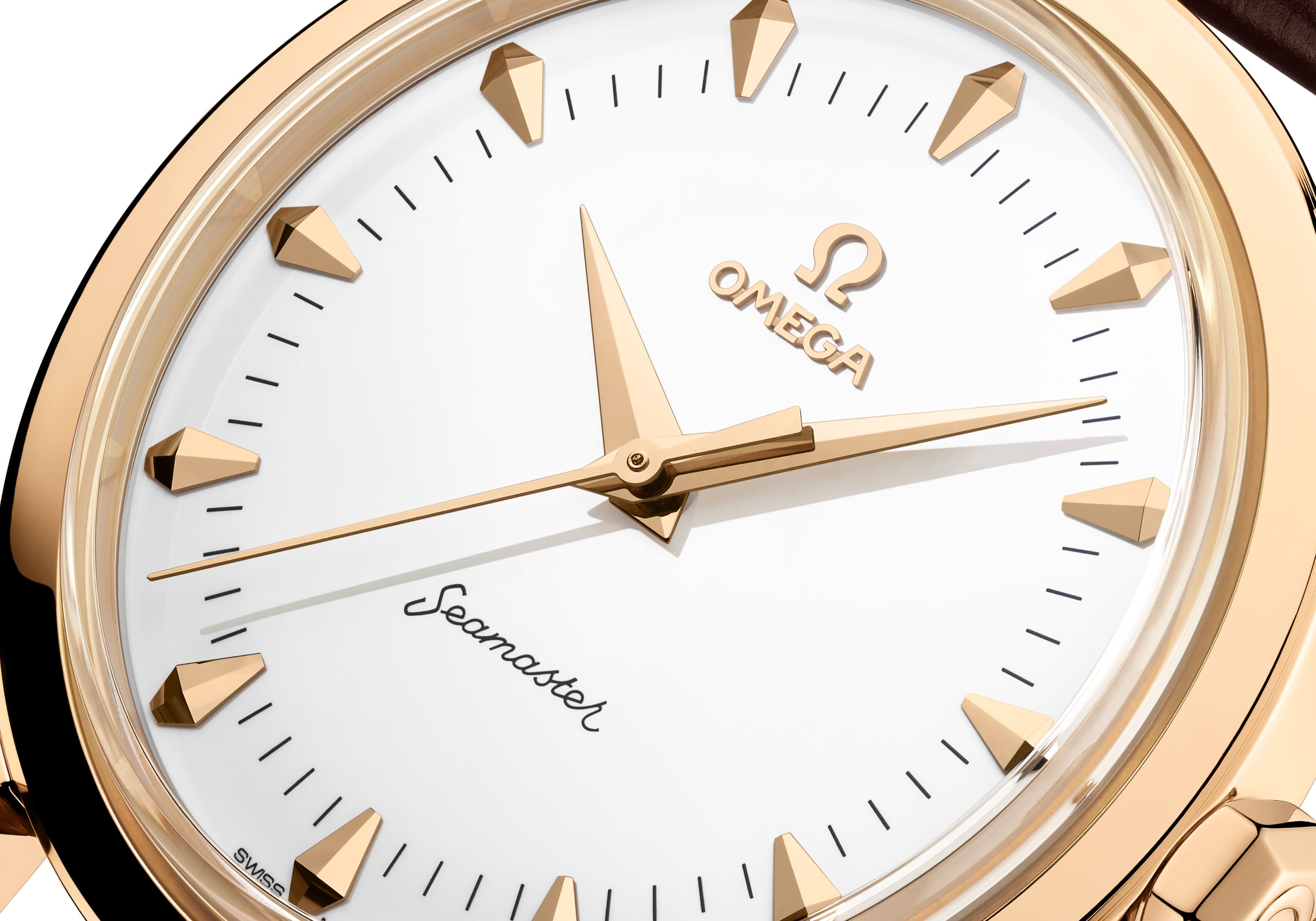
OMEGA Unveils the Seamaster 37 mm Milano Cortina, Italy 2026 Winter Olympics
Credit OMEGA
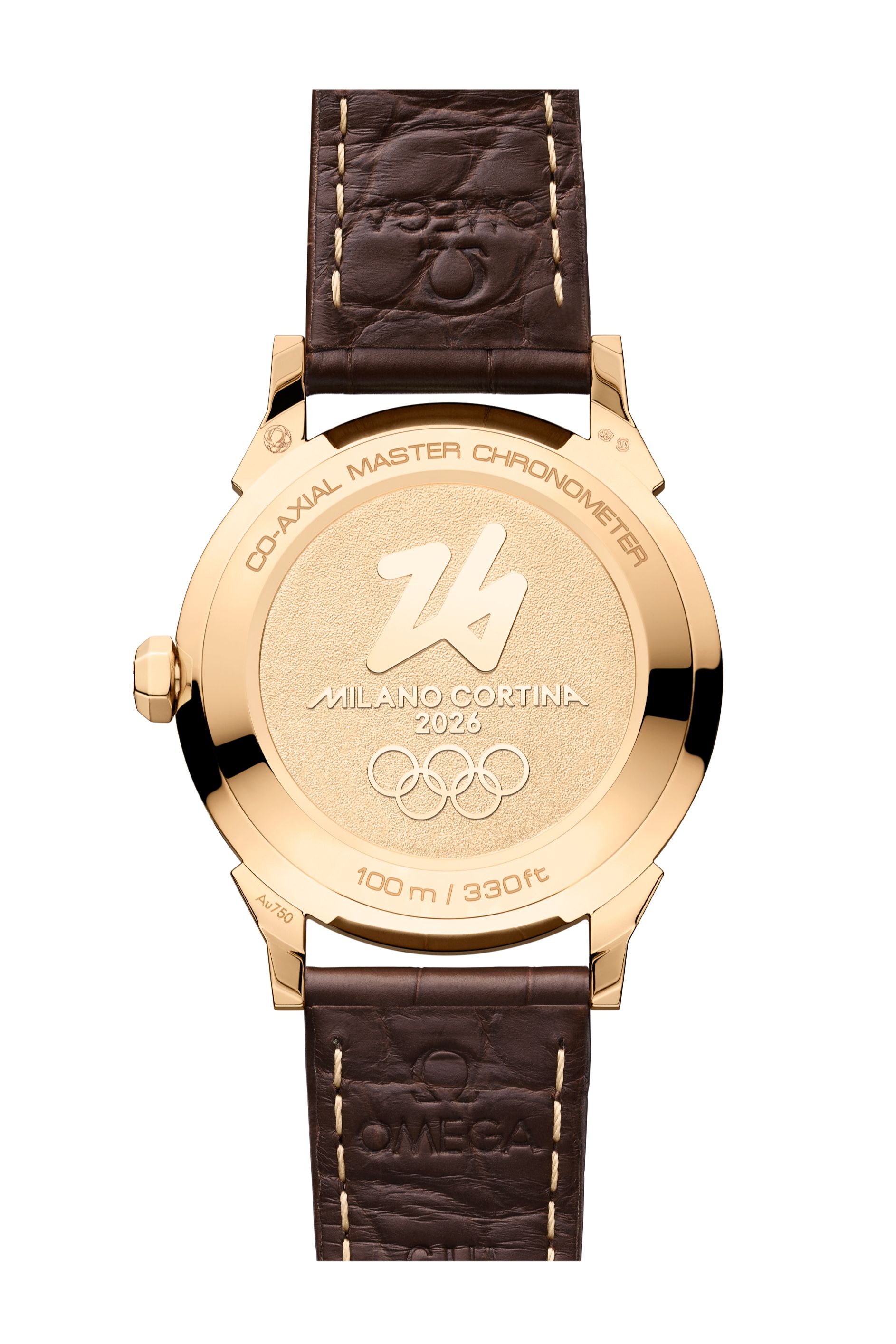
OMEGA Unveils the Seamaster 37 mm Milano Cortina, Italy 2026
Credit OMEGA
WIB: What mental practices or rituals help you stay focused when the pressure is at its highest?
Mathilde – When I started some things, I realized only afterward that I was really good at being in the moment. Then, with sports and doing so many things, I think I lost that. Then, thinking again about my upbringing, I got it back, and that’s something I could build a lot of trust on, like, get that trust back.
There are some tips and tools I use for myself. But to get in that mindset, you think about where you are right now, and you focus on that, and you do one thing after the other. If you have a pile of work, you start with the first thing and take care of it. And then you put it aside and take the next paper. And that’s how I try to see it, like sometimes the pile gets pretty pretty high, but then I go back to just doing one thing after the other and in sport, it’s the same in how I try to stay in the moment. Sometimes it feels harder, but yes, there are multiple tools I use; mainly, I remember myself and then all the rest kind of clicks afterward.
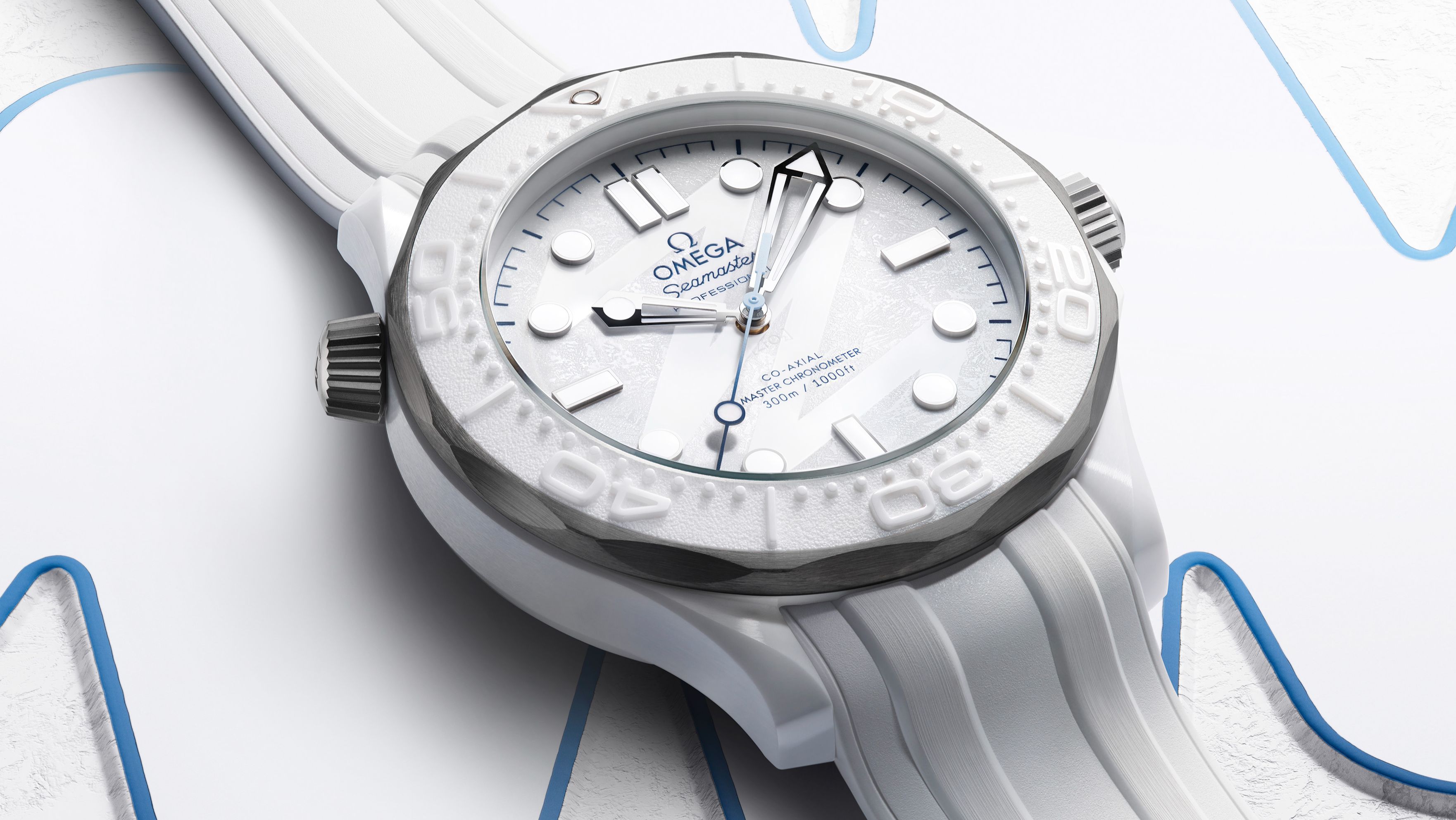
The OMEGA Seamaster Diver 300M Milano Cortina, Italy 2026
Credit OMEGA
WIB – Behind every athlete is a support system. Who has been most important in helping you navigate both the highs and the difficult moments?
Mathilde – When I’m in the start gate, I try to empty my mind and focus on what I have to do. And definitely before that moment or right after. There are definitely a lot of people around me who are helping me stay focused and keep working. My parents have never been the pushy type; they’ve always been very supportive and have worked hard themselves to give my sister and me good opportunities, whether it’s for school or for sport. They’ve just really been there for me when I was a teenager.
At some point, I was like, “Oh, come on, they’re annoying and stuff, but never in a pushy way, just parents being annoying, I guess.” And at some point, I realized they’re actually really giving me opportunities, so I really owe almost everything in my career to my parents, because without them, I wouldn’t be here. All the people in the sports world have always helped me, from my very first coach to the coach I have now. They’ve always been very caring and supportive as well. Whether it’s a coach or the federation or anything, it’s always been really sane, which is amazing. Since I started, my coach has been through literally everything with me. I’ve had a change of physical coach twice. I have had the same technical coach for ten years now. I think I’m probably gonna, hopefully, finish my career with him. His name is Greg. He’s really a big, big part of everything, because he has an overview. He knows everything that’s going on in my life. If I miss 1 day of training, which I’ll then make up with another day, he will know why. Because I might have somewhere to be, we will make sure I get that day back whenever it’s most suitable, for any other reason—all my friends, my girlfriend as well. And yeah, there’s, I mean, just a huge family around me.
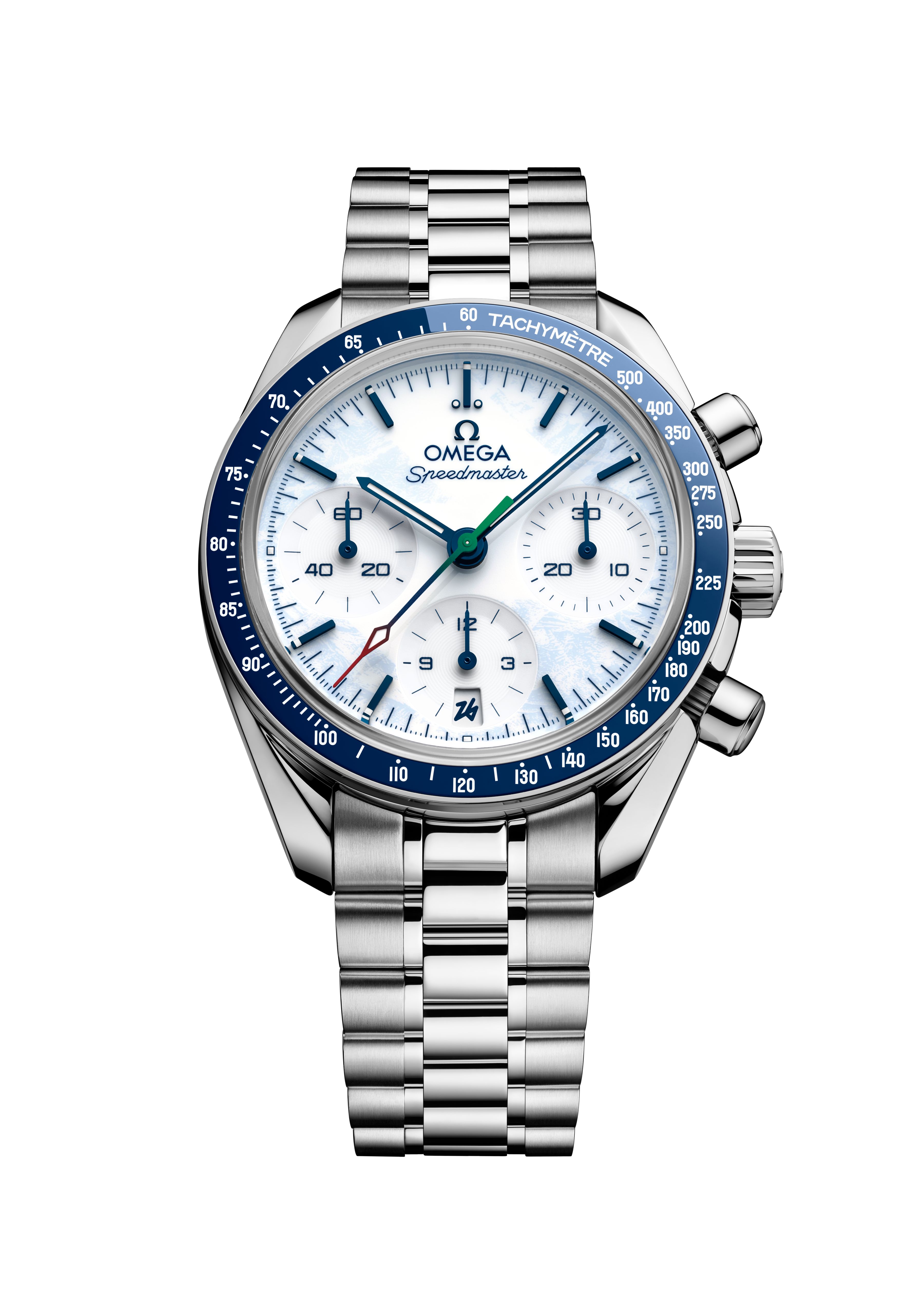
Omega Seamaster – Celebrating the 100 Days Countdown to the Winter Olympics Milano Cortina, Italy 2026
Credit OMEGA
WIB – When you plan a slopestyle run, do you think of it as designing a composition—balancing difficulty, rhythm and flow, or is it simply about adding more difficulty?
Mathilde – In the back of my head, I know it has to be difficult and technical enough to be a podium run or even first place, so that’s the end goal somewhere in my brain. But the way to get there still has to come from rhythm, flow, style and more. Difficulty is not the only factor in a slopestyle run; flow is key as well. In my opinion, at least, only with a certain flow will I also be happy with my skiing and the trick choices I made!
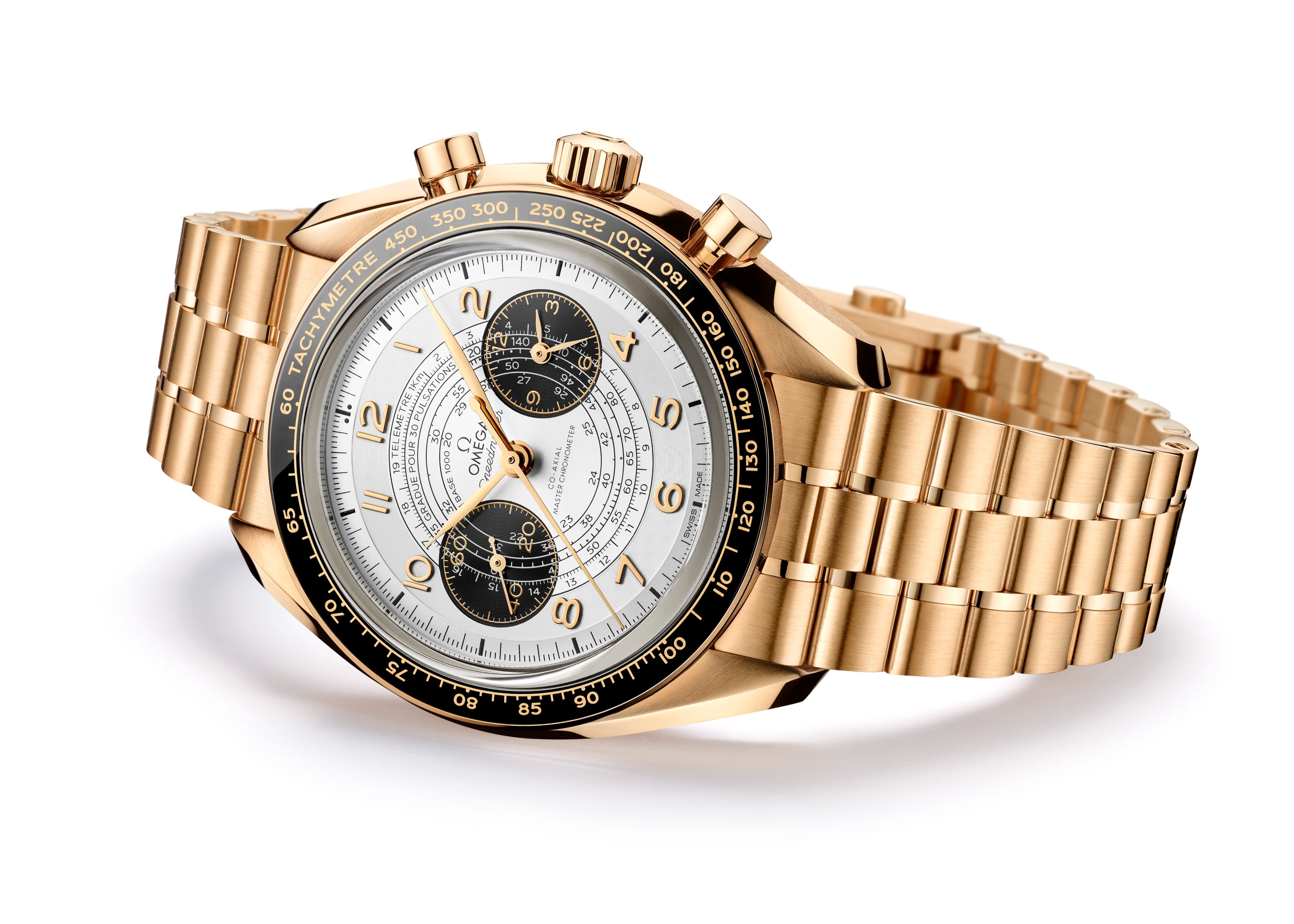
Omega Speedmaster Chronoscope 43 mm model was a tribute to the Olympic Games, Paris, France, 2024
Credit OMEGA
WIB – After winning the Olympic medal, what was the very first quiet moment you remember having with yourself?
Mathilde – So we had 3 rounds in the final, and I won on my second run, and then on my third run, I was last drop, and I was at the top. And I already knew I had won, so we could celebrate at the top with the staff, which was really cool. And then they obviously had to go down for my last run. I think that was a really quiet moment for me, actually, like, just going down. I was smiling the whole way down, giggling and laughing.
I was like, “Oh my God. This is insane,” and I was just by myself, and I could hear when I was at the start, I could hear like the people at the bottom cheering already, because my whole family was there. And a lot of people from the hometown ski club were there as well. So I was just, like, super super hyped, and I could hear them, but I definitely had, like, half a minute where I was, like, just by myself and fully enjoying the moment. Before the craziness of it all, crazy from that moment to going to bed, it was just pretty crazy the whole time. So it was not that quiet. But I think the first quiet moment I had was actually right there, like right when it happened, which was pretty cool.
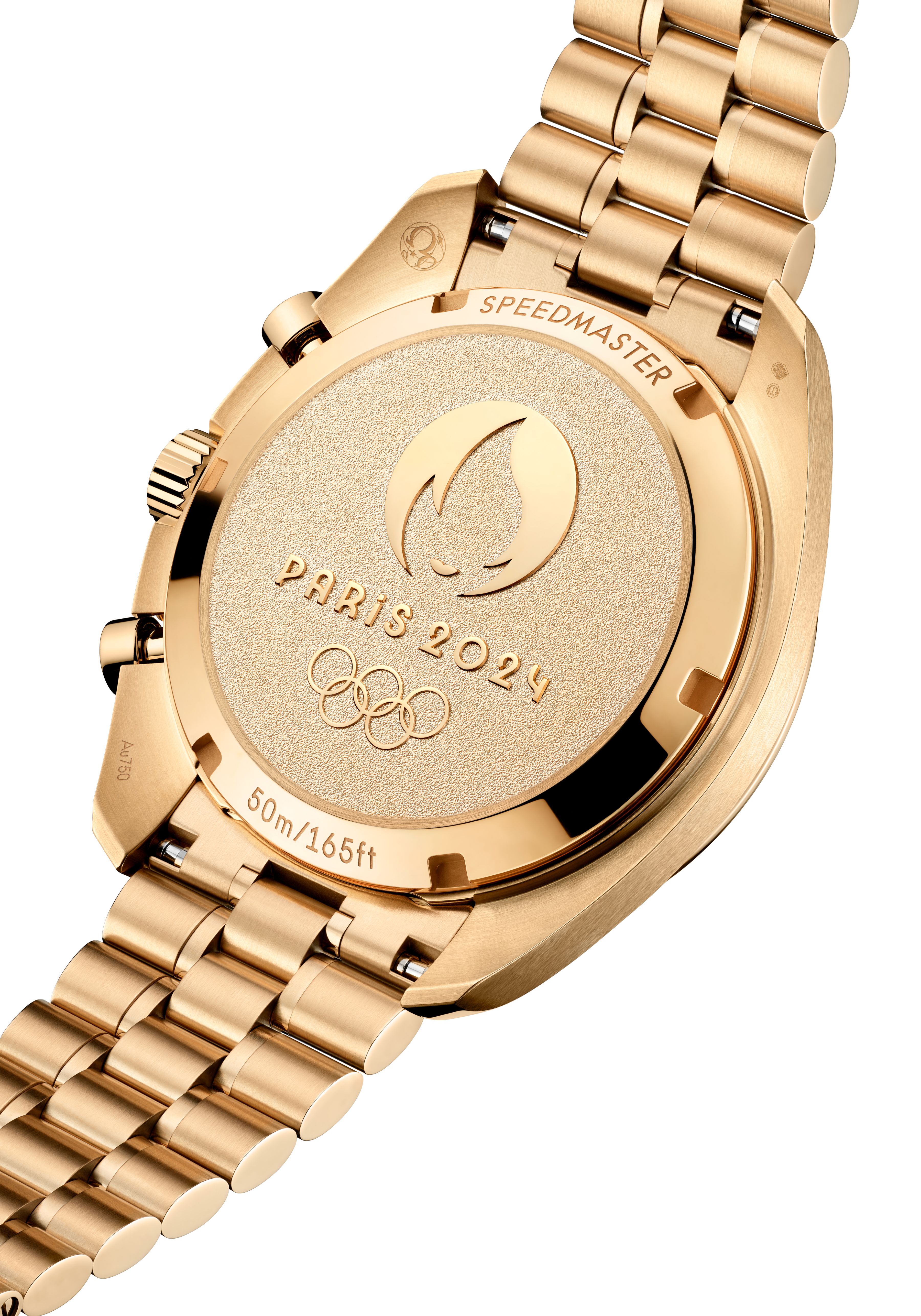
Omega Speedmaster Chronoscope 43 mm model was a tribute to the Olympic Games, Paris, France, 2024
Credit OMEGA
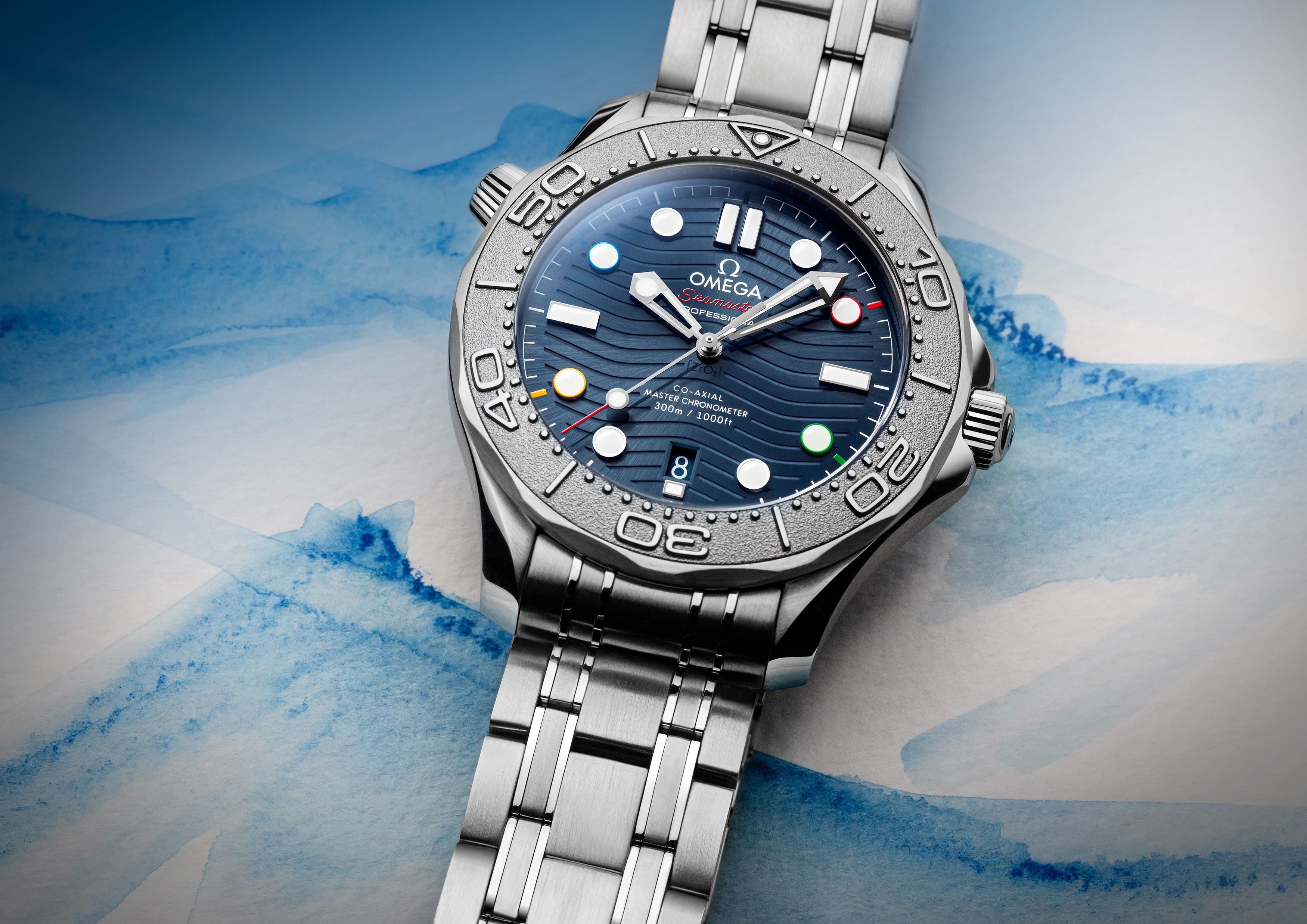
OMEGA Seamaster Diver 300m Beijing, China Olympics 2022 Special Edition
Credit OMEGA
WIB – Do you think fear is something athletes conquer, or something they learn to live with? What do you say to yourself when you feel fear?
Mathilde – Fear is a big one. I think when I was younger, I didn’t really have it. That’s why I started doing what I’m doing. With my own experience of losing a bit of my innocence, I realized fear is a thing, and I quickly realized I have to learn to deal with it. How I deal with it now – I mainly accept that it’s here, and it’s here every day, and I accept that it’s here every day I’m on my skis. Sometimes it’s small, and I’m not very scared, and I’m rather confident. On some days, I feel like I’ve never been that scared, so I have to deal with it. I approach it by trying to accept it, then seeing which areas it’s affected and which don’t really impact me. And then I try to go in that direction, where the fear doesn’t impact me. For me, it also reminds me of the importance of what I’m doing. If I weren’t scared, it probably wouldn’t be really fun, because then what’s the reward for doing something? If you’re not scared, and you still go for it, then when you achieve it, or when you achieve your goal?
Then you’re actually seeing even more reward, so I think I like to feel a bit of fear because it pushes me to focus and be okay. One of my fears is maybe getting hurt. So I will do everything I can to avoid getting hurt, and maybe I’m scared of failing. I’ll do everything I can to avoid failing, because that’s not what I want. And it’s scary to think about failure. It pushes me to do my best. If something doesn’t feel scary, it’s probably not that important, so I can easily do it without fear. It’s also a good feeling not to be scared, like I’m not scared 100% of the time. But when I am, I really try to see why I’m scared and what I can do with it. I think it just pushes me to work harder. I think, in terms of fear when I’m skiing, there is good fear and bad fear. There is. I think I got pretty good at realizing, with bad experiences as well, what some of the fear I feel means. Let’s pause and pull the bridge, or maybe today isn’t the right day to do this trick or learn this new one. Then there is the good fear, the kind that, yeah, pushes you to be better and to focus 100%. So you can achieve what you want. So there is a bit of a difference, I think, in the fear that you feel. For me, I really call it the good and the bad fear. If you’re able to control it, then you know, it is really big.
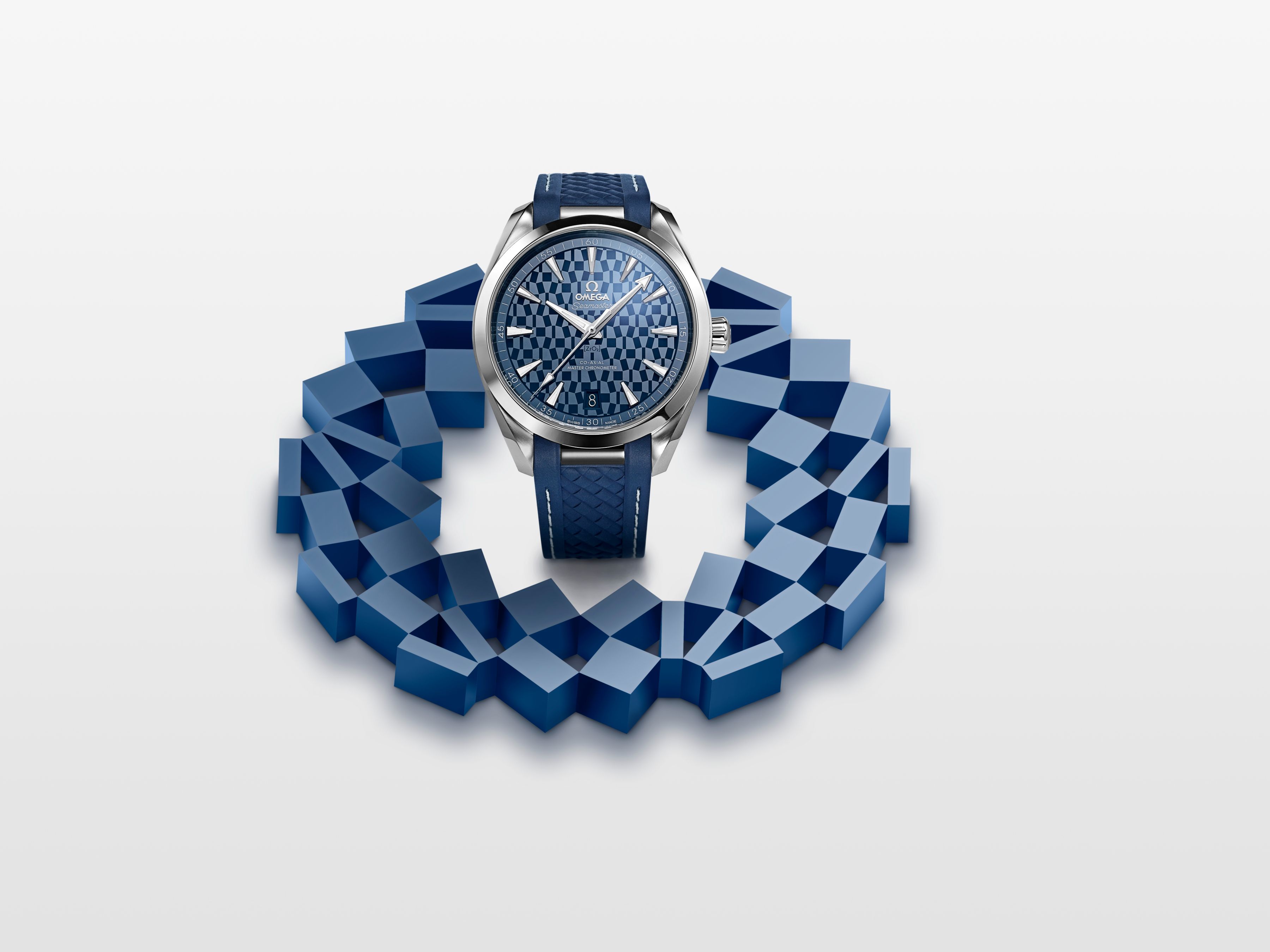
Omega Seamaster Aqua Terra Tokyo, Japan Olympics 2020 Limited Edition – Just like the athletes at the Olympic Games, the Seamaster Aqua Terra performs beautifully on both land and water.
Credit OMEGA
Mathilde – There are cliché motivational speeches that say the people who succeed are the ones who aren’t scared of failing. And that’s also part of how you can control your fear, which I think you definitely need. If you sit back to reflect and grow, then you’re able to control your fear, because it’s something you need to learn, like everything else. I don’t think many people know how to control fear like that. You need to want it and work on it. Otherwise, like everything, nothing falls from the sky.
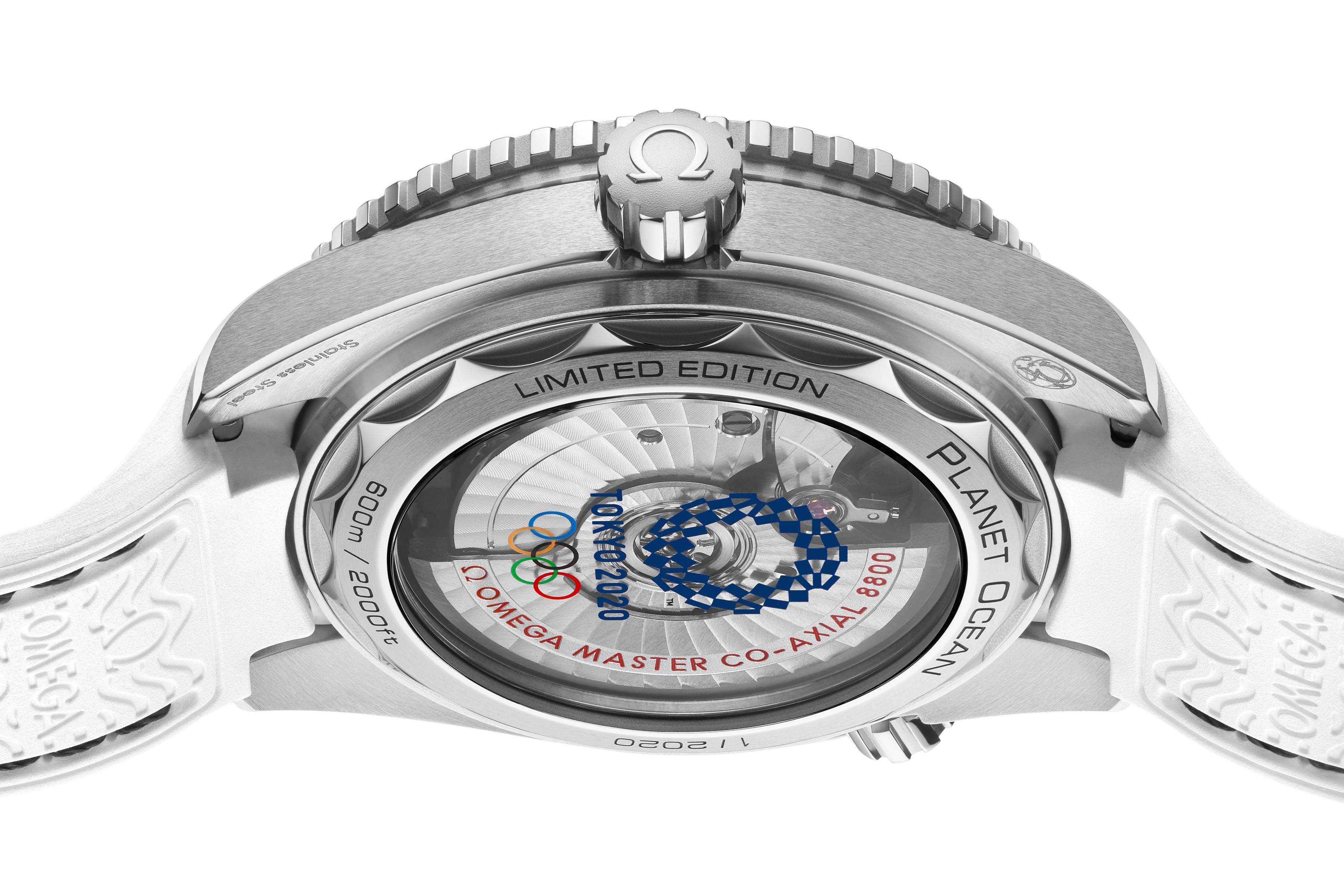
Omega Planet Ocean 39.5 mm – Limited to 2,020 pieces, this timepiece is a superb tribute to OMEGA’s role as Official Timekeeper of the Olympic Games Tokyo, Japan 2020.
Credit OMEGA
WIB – If skiing had never been part of your life, who do you think you might have become?
Mathilde – Well, that’s all hypothetical. I like to believe that I would still be an athlete. It would obviously be a different sport, and I would still be adapting to doing whatever I don’t know. Also, it would be an individual sport. That’s what I am doing now. I don’t see myself in a team sport, as I’ve not been part of one, but I’m curious about it. I know a few people who are part of team sports, and I’m interested to know how it really works, how you go about winning, because it’s not only you, it’s like a full team. I’m really intrigued by that, but I still think I would be an athlete in an individual sport. I was doing track and field as the only other sport besides skiing that I’ve competed in. I’ve tried all kinds of sports with my friends and family. Track and field was definitely what I did until I was 14, then I switched to skiing.
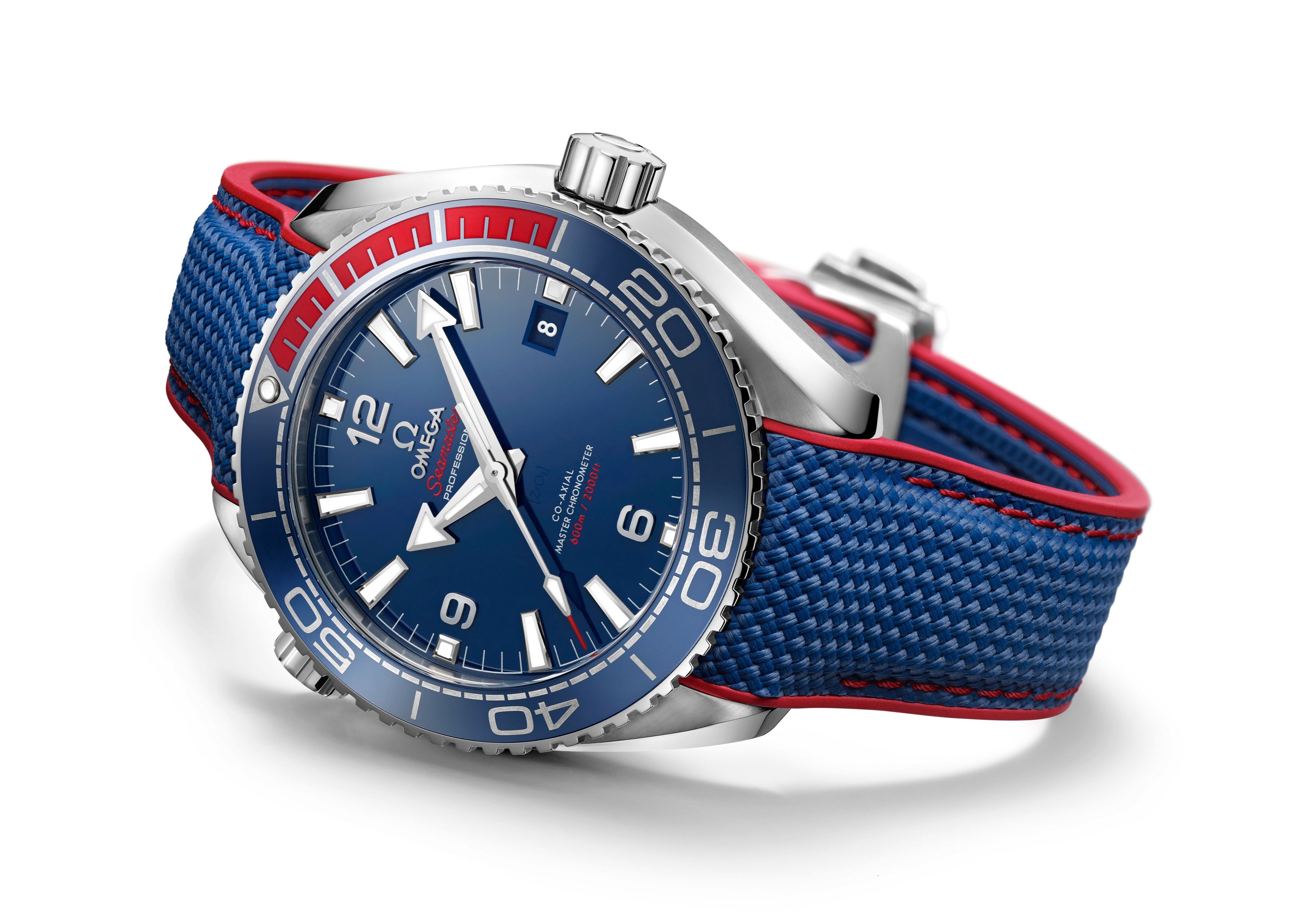
Omega Seamaster Planet Ocean Limited Edition collectible timepiece in the colors of the South Korean flag – PyeongChang, South Korea, Olympics 2018
Credit OMEGA
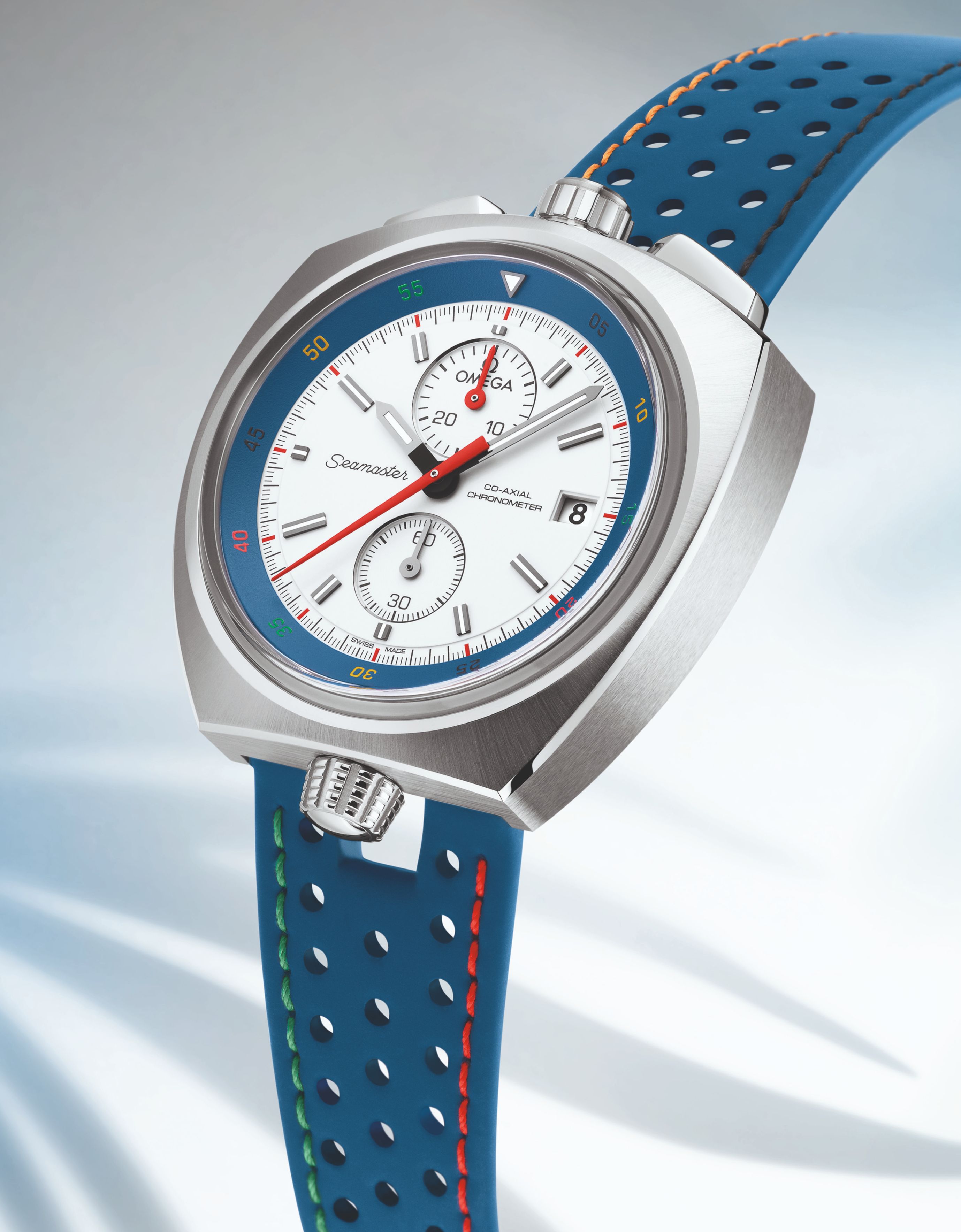
Omega Bullhead Rio, Brazil Olympics Games Collection 2016 – A celebration of heritage, precision and sporting excellence, instantly recognizable for its individual style and design.
Credit OMEGA
WIB – What lesson from sport do you think every person should learn, even if they never compete?
Mathilde – I’m not sure if it’s solely from sports, but it’s definitely true that you should never take anything for granted. I believe people might say the same. In my view, this applies to both sports and other aspects of life. When I mention this, it also relates to never giving up—it’s about not just quitting and seeing what happens.
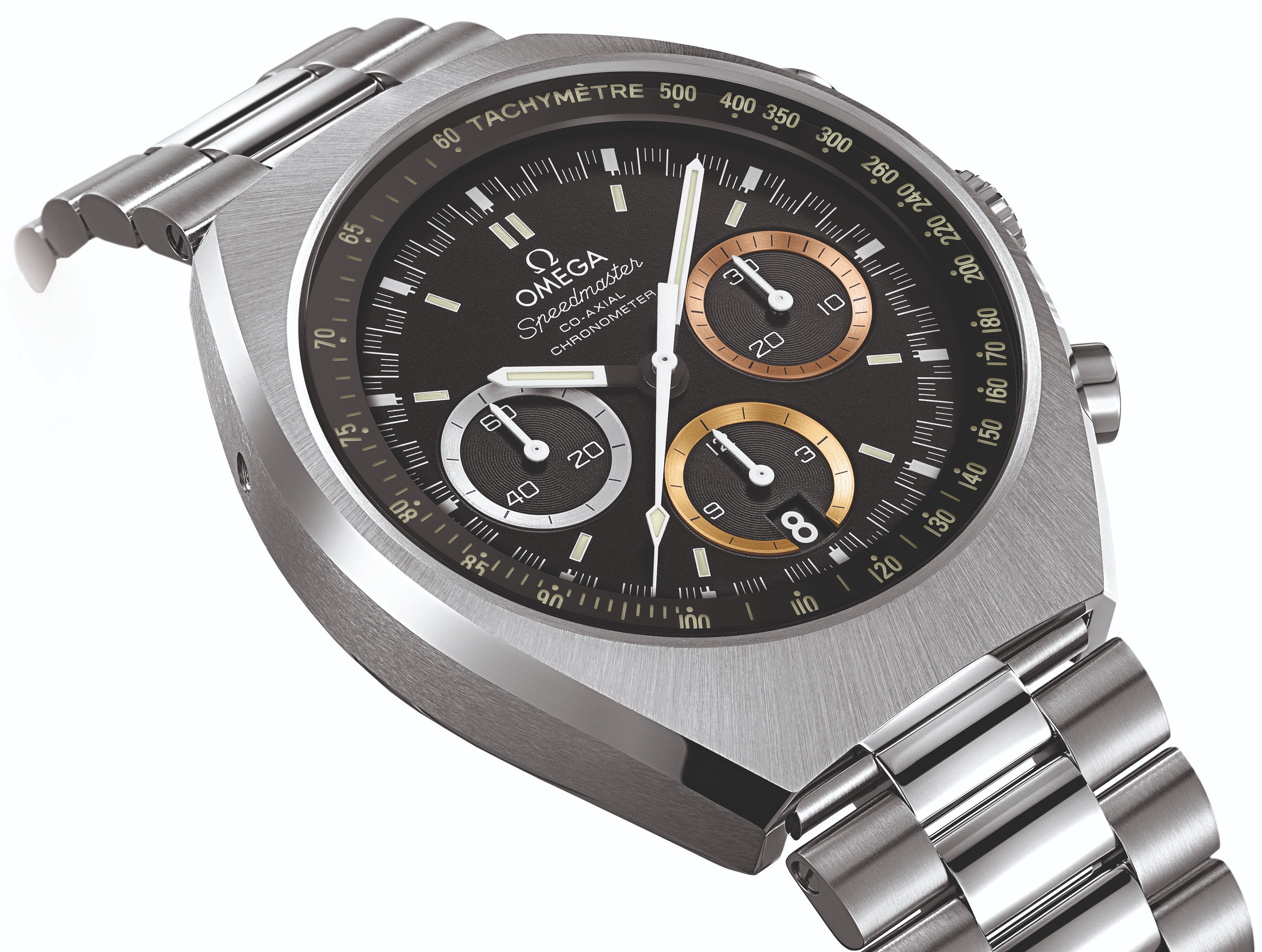
OMEGA Speedmaster Mark II Olympics Rio, Brazil 2016 – The sub-dials are decorated with a bronze ring, an 18K yellow gold ring and a 925 silver ring, respectively – a design that recalls the medals awarded to Olympic Games champions.
Credit OMEGA
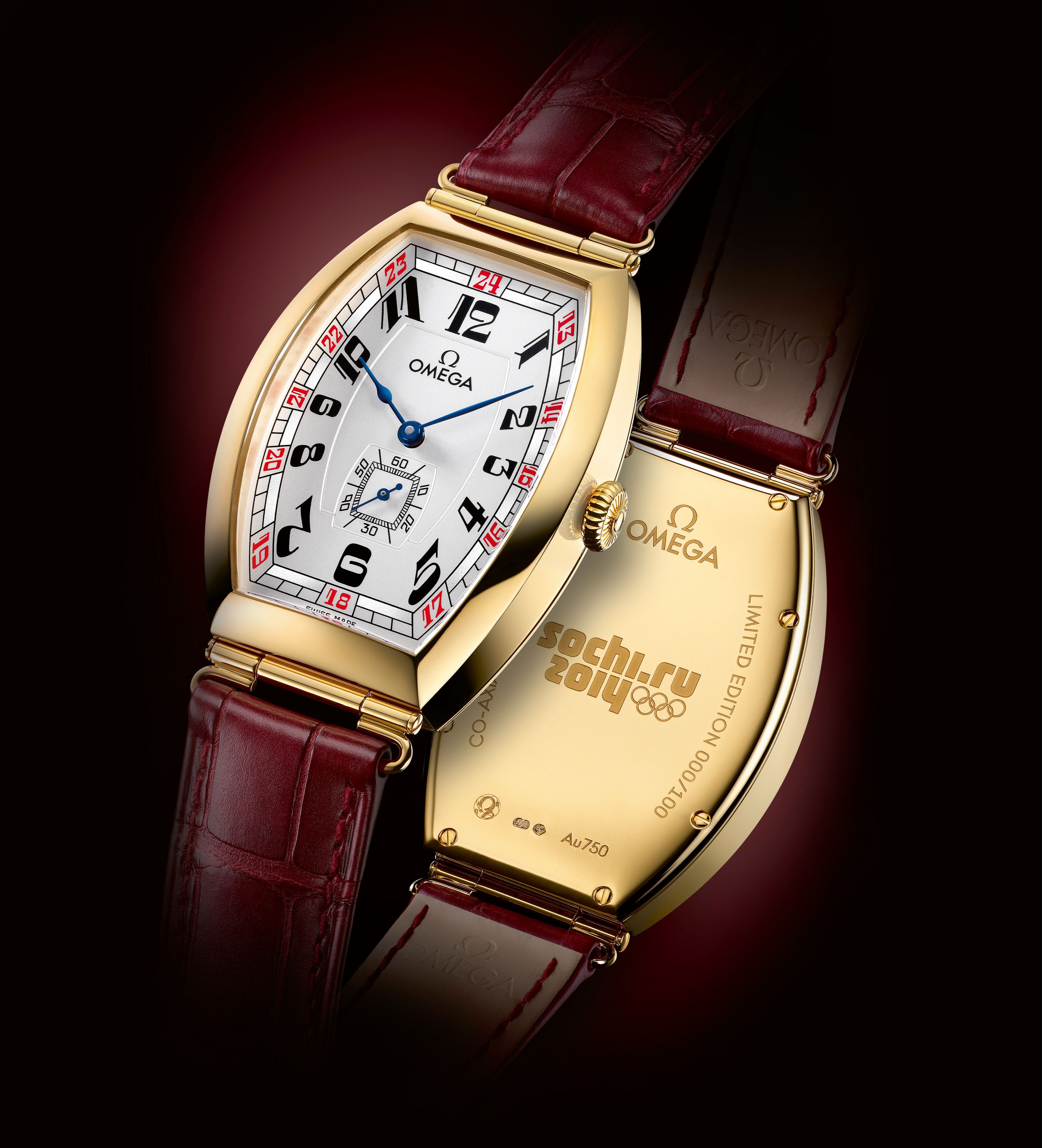
Omega Petrograd Tonneau Limited Edition watch, Sochi, Russia, Olympics 2014 – It is inspired by a watch first introduced in 1915 to the Russian & Eastern European markets, and its design evokes the Art Deco of that era.
Credit OMEGA
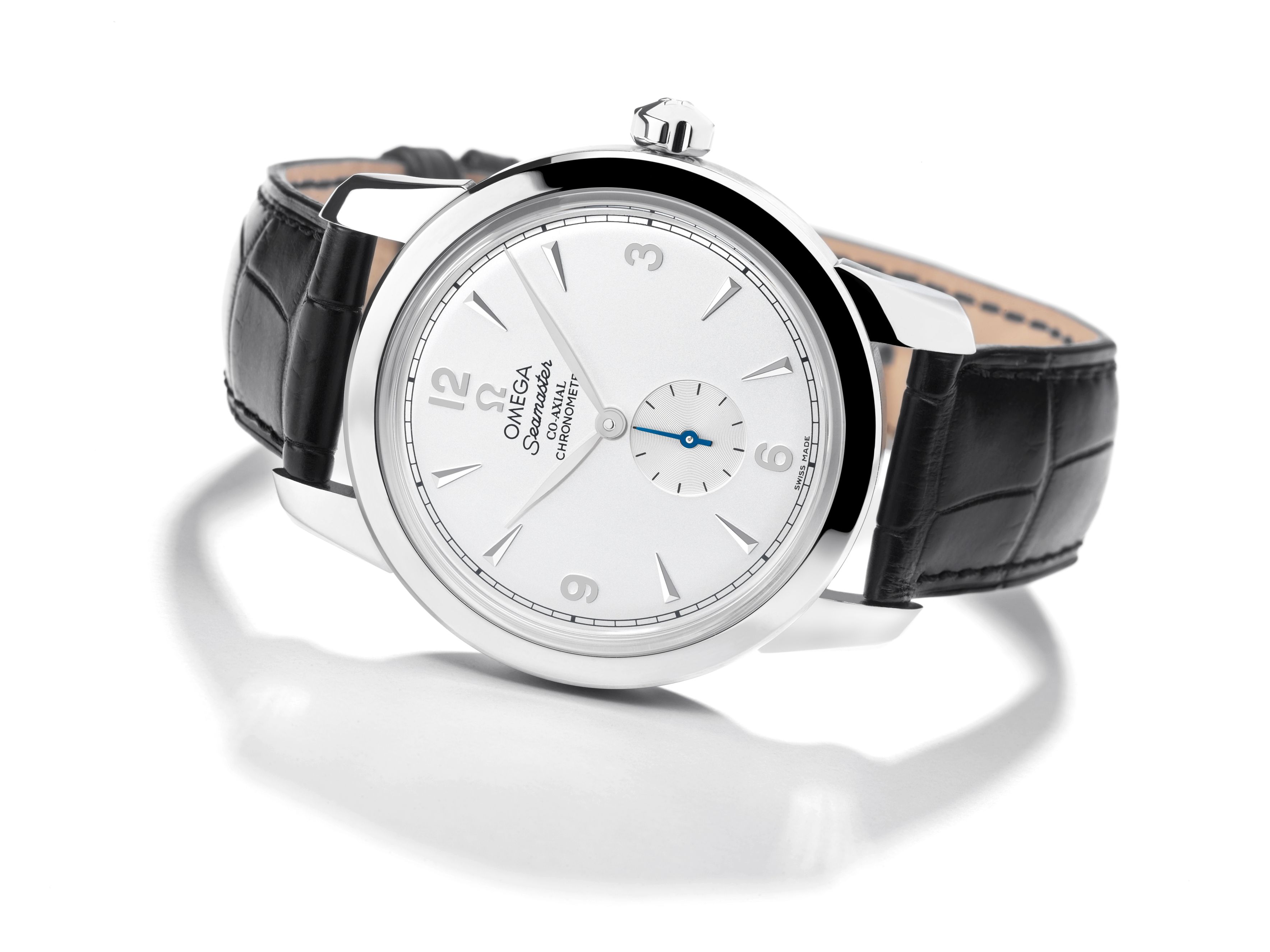
The Seamaster 1948 Co-Axial Limited Edition, London, England, Olympics 2012 – 64 Years after Omega launched the very first Seamaster during the London Olympics of 1948, they released a new Seamaster at the London Olympics of 2012.
Credit OMEGA
WiB – Years from now, when people look back at your career, what do you hope they will remember most about you?
Mathilde – My upbringing values still influence me. People tend to remember my achievements. Sports are not just about the results; they’re also a significant part of who I am. I’m happy to share my accomplishments and stay approachable for those who want to connect. This helps me stay humble and accessible, which is important to me.
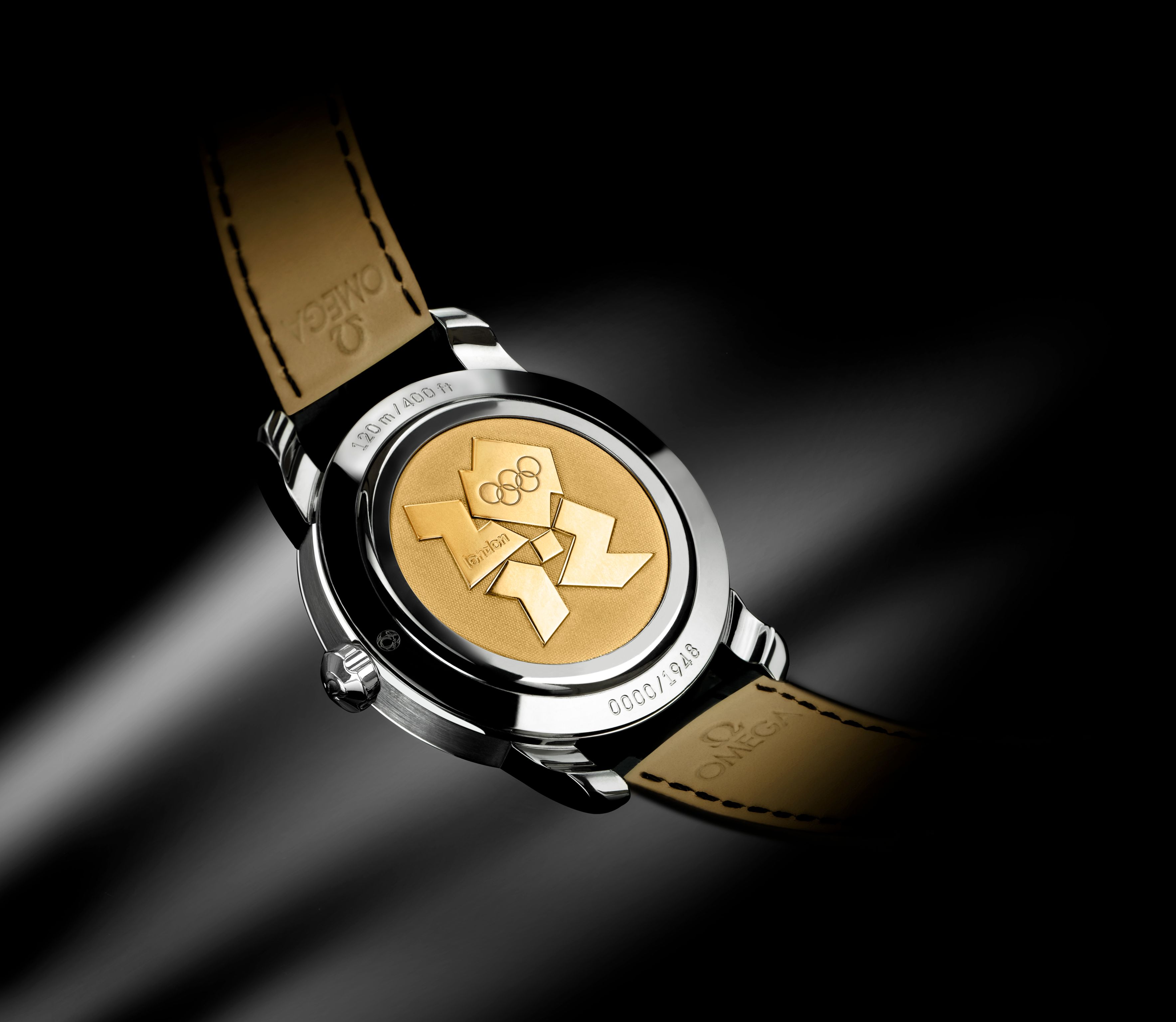
The Seamaster 1948 Co-Axial Limited Edition, London, England, Olympics 2012 – The silver case gives way to a yellow gold back emblazoned with the London commemoration. The contrast burns as brightly as the Olympic torch.
Credit OMEGA
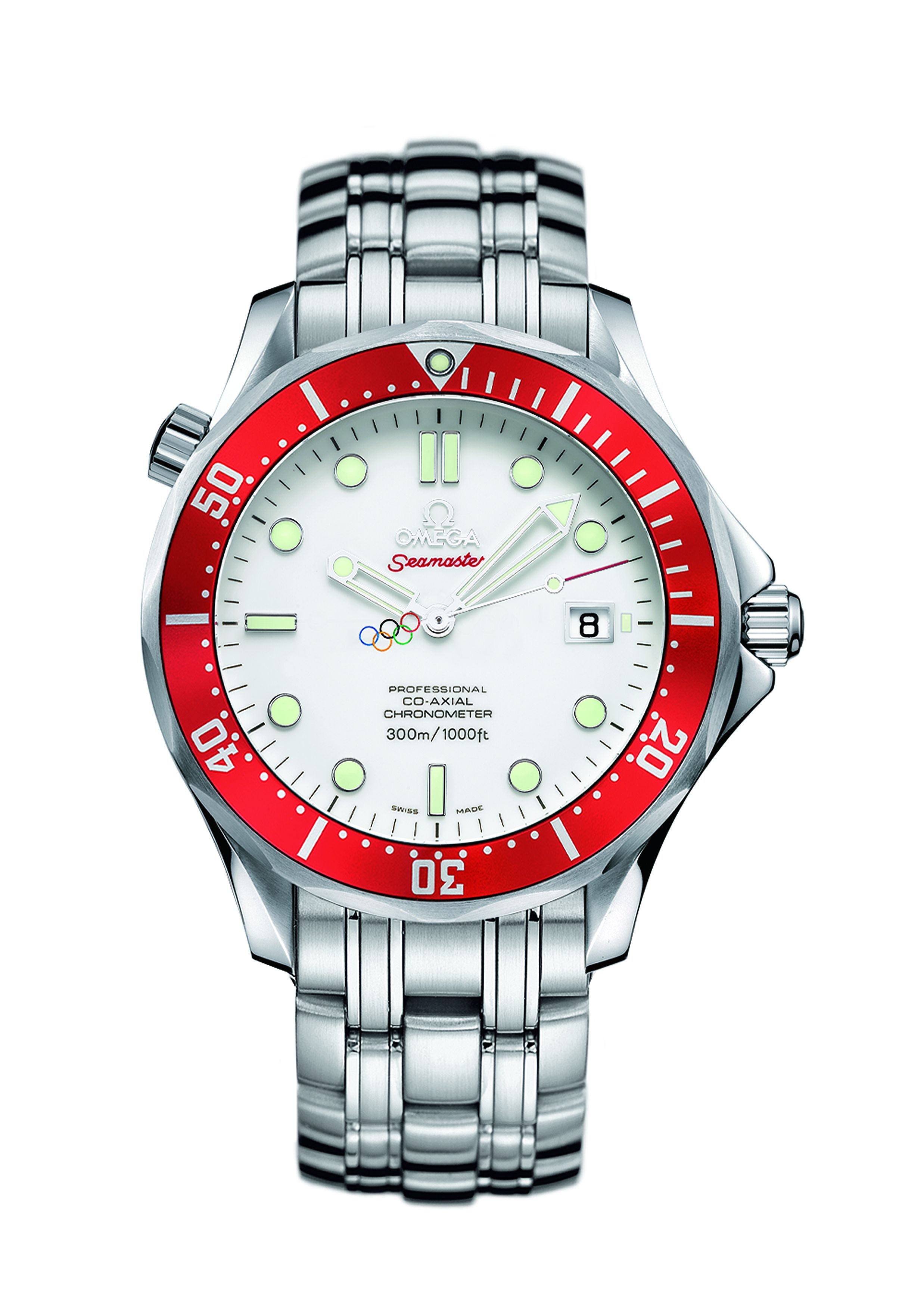
The OMEGA Seamaster Diver 300m “Vancouver 2010” Limited Edition – These bold contrasting colors recall the Canadian flag with its proud red maple leaf against a stark white background. The white dials are also reminiscent of the snow and ice, which will play such an important role in the Vancouver 2010 Olympic Winter Games.
Credit OMEGA
WIB – In sport, failure is unavoidable. Can you remember a moment when a setback or fall taught you something that ultimately made you a better athlete?
Mathilde – I think it was 10 years ago. I was competing at the Youth Olympic Games. I was one of the only girls. I was in the junior program, so I went to the Youth Olympic Games and was kind of like, “Cool.” This sport does not have many girls, even in Switzerland. I was definitely gonna make the team and stuff like that.” And I felt like I wasn’t too confident, but I was definitely confident enough. And I did not perform the way I thought I would at all. I got sixth place, which is not bad. I could have done better and potentially won the event, but I didn’t.
Mathilde – That’s when I learned that you don’t take anything for granted. You still have to do every single step. Otherwise, you trip. And so you can’t skip anything. And then I realized how important skiing was to me, and it was also one of my first competitions outside of Switzerland. And my first bigger experience in competing, and I really just messed it up. I didn’t meet my expectations at all. So I think that taught me a good lesson. I’m never gonna think that I can do it before I do it. I have to believe I can do it, but I can’t just go there and be like, “for sure, it’s happening.” I think it was a good, healthy first setback that helped me realize that. Oh, there’s so much to learn, and I need to be ready for that.
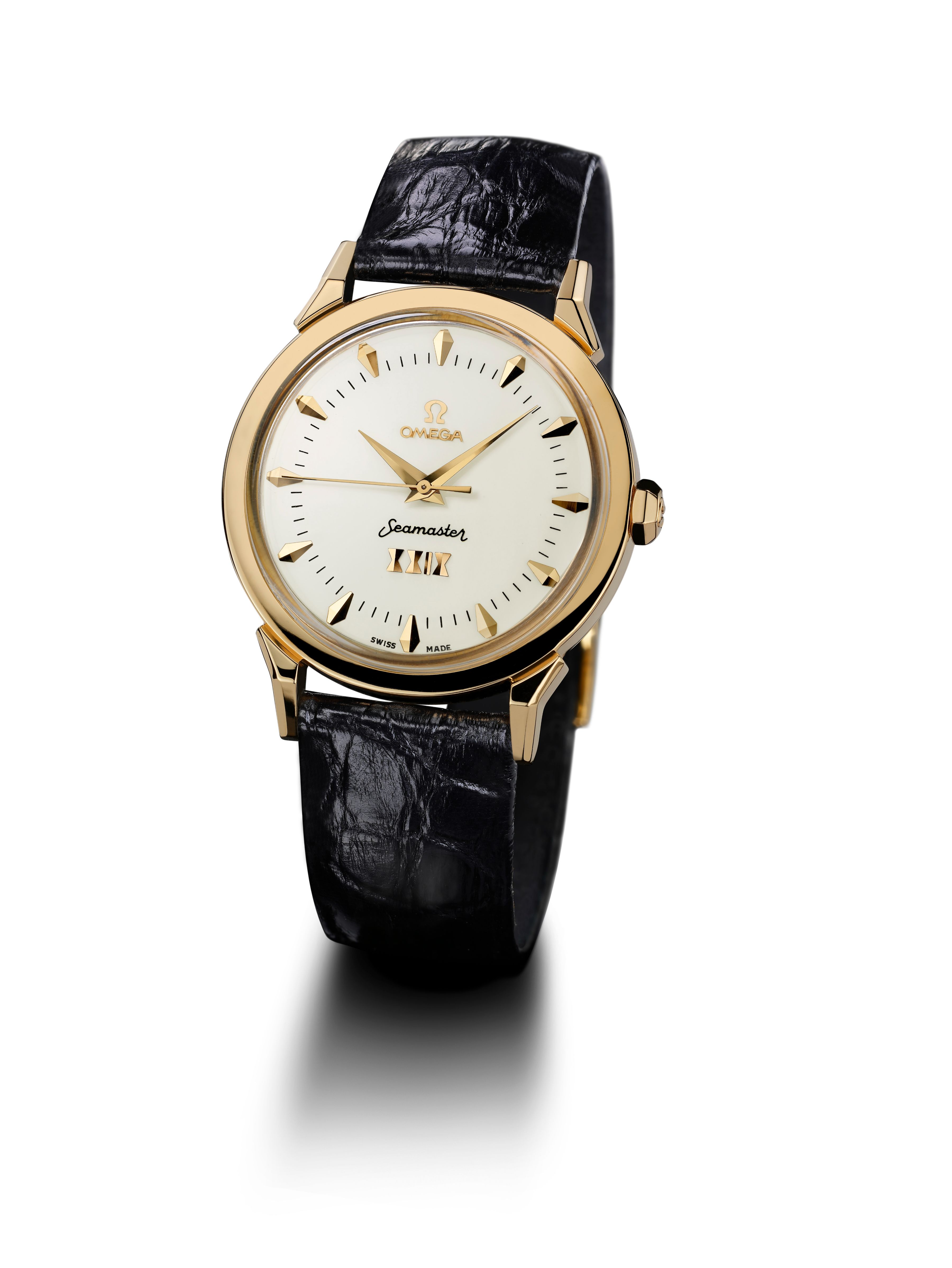
The OMEGA Seamaster XXIX Limited Edition Beijing Olympics 2008 – The most desired of all the exclusive timepieces at the Games of the XXIX Olympiad in Beijing 2008.
Credit OMEGA
WIB – What are your passions outside of sport?
Mathilde – I really like to solve little games like brain games and Rubik’s cube, puzzles, sudoku, stuff like that. It’s not a passion, but it is a hobby I have outside of sport. I don’t have another big thing as time-consuming as sport because it’s all I do all the time. If I am not able to play sports myself due to an injury or something, I love attending sports events, concerts and other social events with my friends.
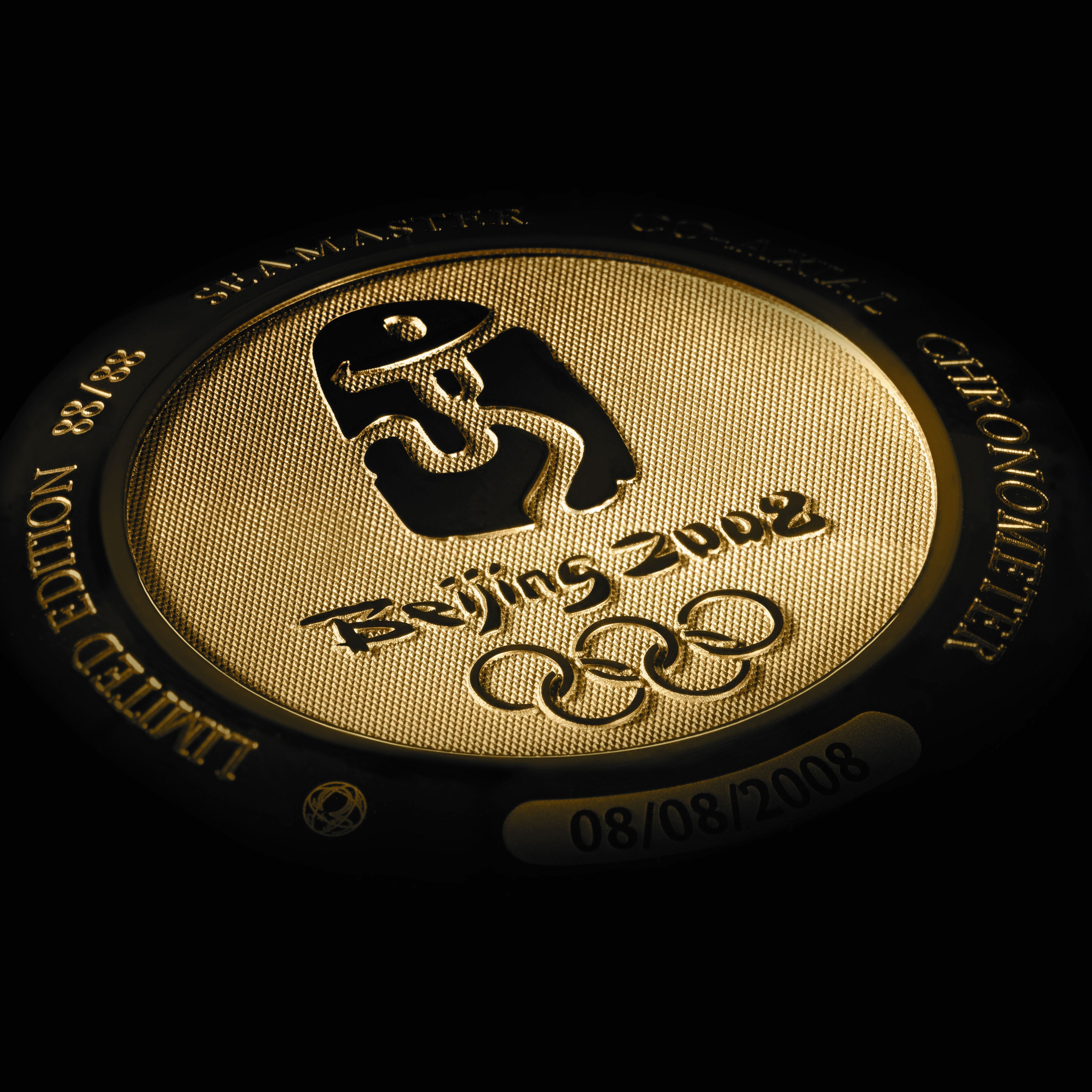
The OMEGA Seamaster XXIX Limited Edition Beijing Olympics 2008
Credit OMEGA
WIB – As Omega’s ambassador, what does the brand mean to you personally beyond the watches themselves?
Mathilde – In terms of the sport that Omega supports, luckily for me, my sport is Olympic, so that played a big role in our partnership. It started with the last Olympics and was supposed to be a one-shot, but it turned into a longer partnership. I’m not the main sports focus, but we do need to be super, super precise in my sport, and that’s what Omega is always communicating, and that’s what they are known for. And measuring every event at the Summer and Winter Olympic Games. Precision is definitely something they’re really good at. Precision is my thing as well; that’s something that needs to be honed in my sport. So there’s definitely a big link between us with that. The pioneer side, their technology and the whole moon story we all know.
In my sport, there are many pioneering possibilities, especially on the women’s side, with many things that haven’t been done on snow, and I’ve been doing some of them for the first time as a woman. The pioneer side is something we both stand strong on. Precision and the brand’s pioneering spirit are what link me most to it.
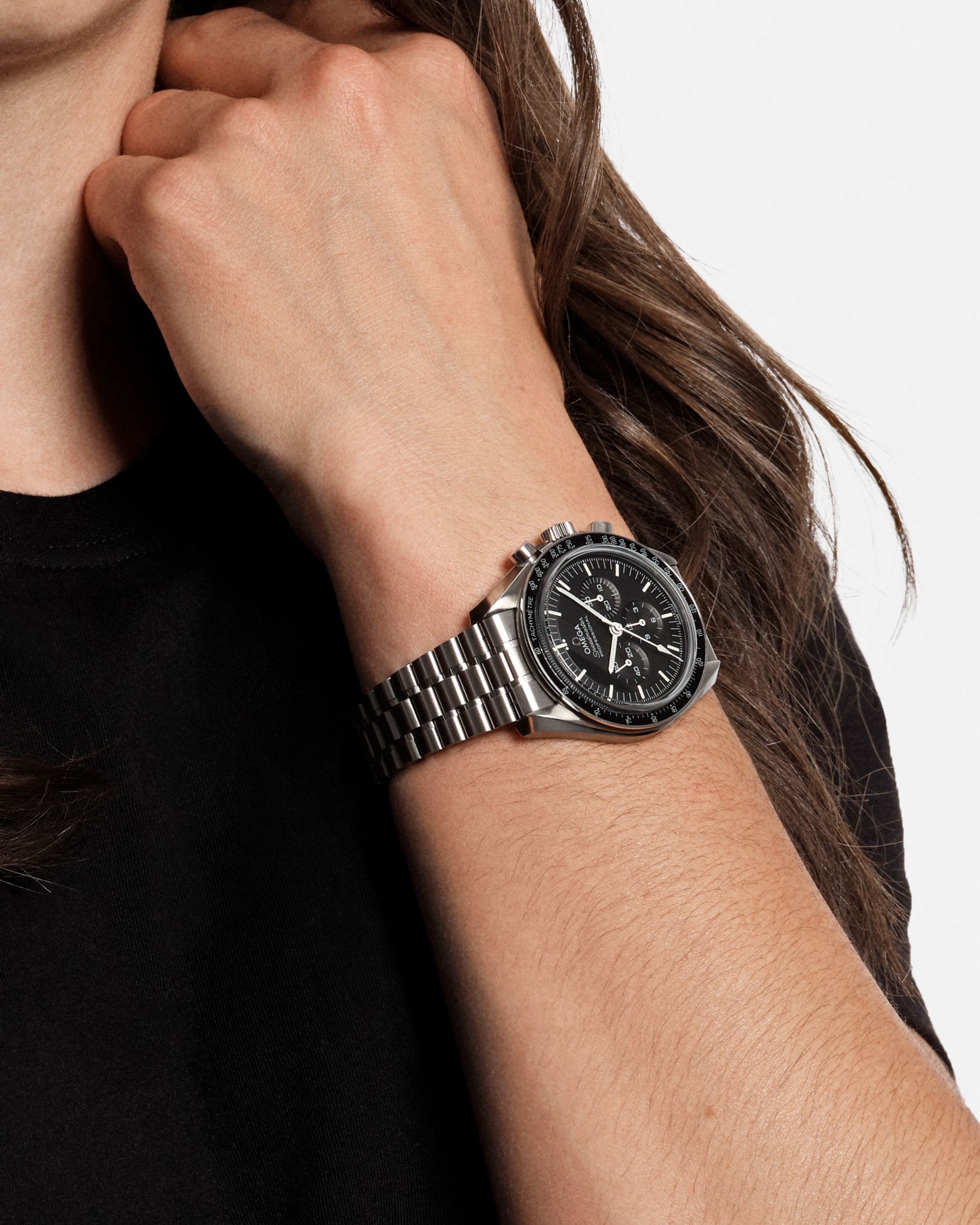
The Omega Speedmaster Moonwatch Professional – Worn by Mathilde Gremaud and her favourite watch
Credit OMEGA
WIB – Which Omega watch is your favorite and why? Is it about design, functionality, or the story behind it?
Mathilde – I think it’s the Moonwatch, the Speedmaster, like the very classic one. I think it has 2 of my favorites. And it’s also the watch I wear the most. This is my favorite, but it goes with everything and works for daily life.
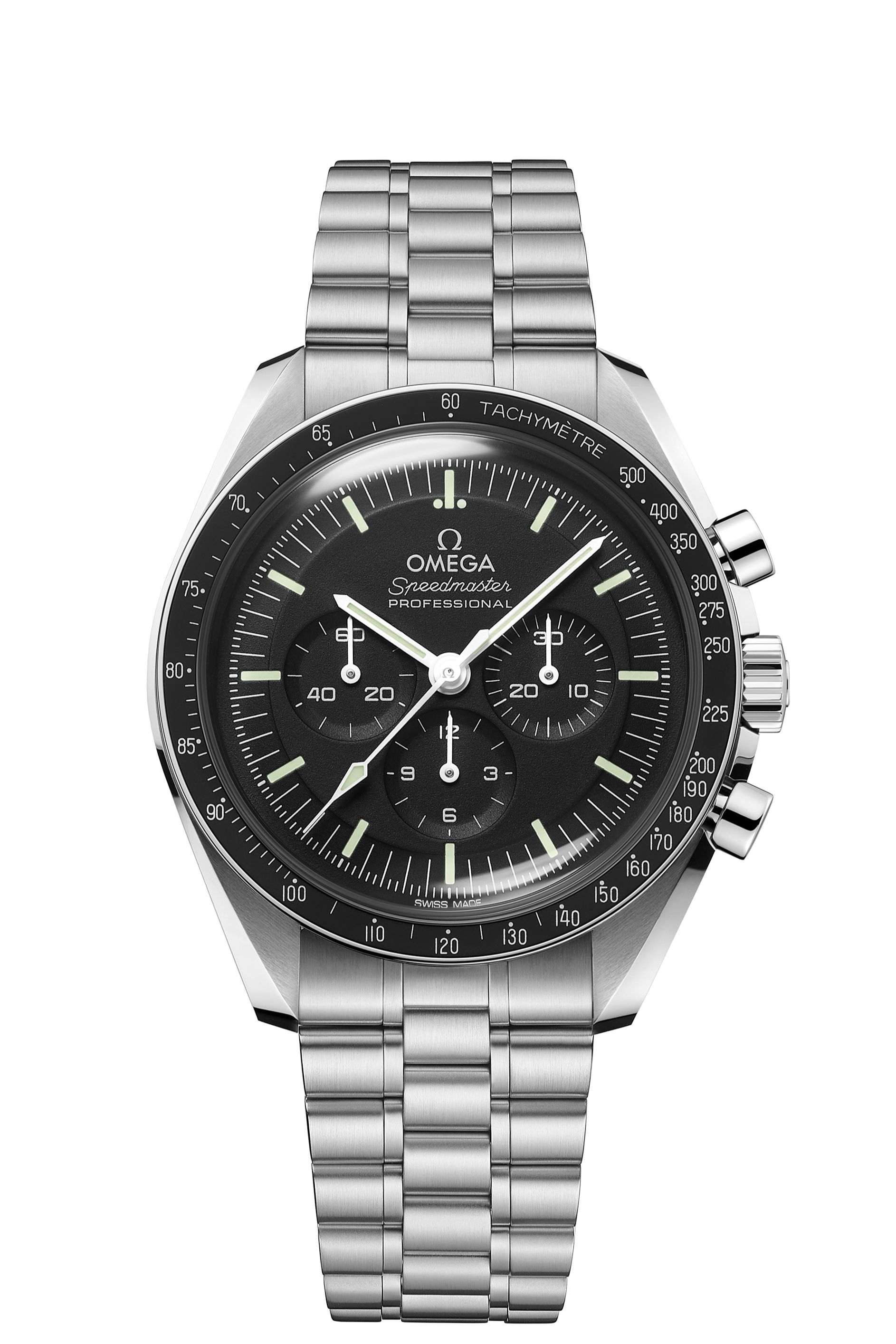
The Omega Speedmaster Moonwatch Professional
Credit OMEGA
The Speedmaster Moonwatch is one of the world’s most iconic timepieces. It has flown on all six moon landings, symbolizing the brand’s adventurous spirit. The watch features a 42 mm stainless steel case with a brushed bracelet consisting of five arched links per row. It has hesalite crystal on the front and an embossed Seahorse medallion on the back. Inspired by the 4th-generation Speedmaster worn on the Moon, it features an asymmetrical case, a black stepped dial, and the recognizable dot over 90 on the anodized aluminum bezel.
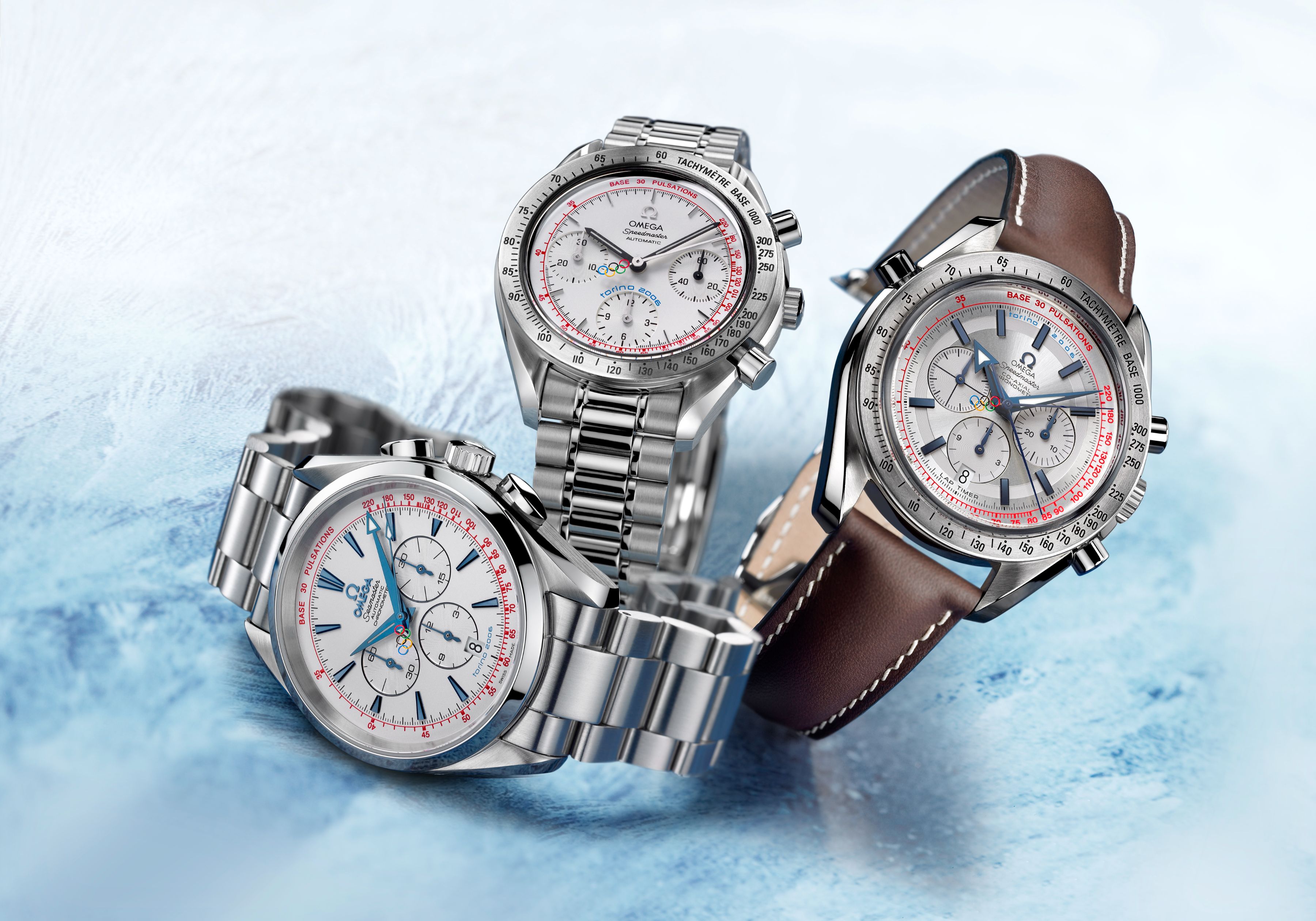
Omega Seamaster limited-edition watches for the 2006 Torino, Italy, Olympics – The 20th Olympic Games in Torino marked the return of Omega to its historic role as Official Timekeeper.
Credit OMEGA
WIB – Do you remember the first time you encountered an Omega watch?
Mathilde – What impression did it leave? The funny story is that I had a short phase in my teenage years when I wanted to become a watchmaker before I really got into skiing and had to think about what job I could do. It seemed hard to get into, so I dropped it. It also required being away from home (as if that is not what I am doing now), but that’s when I started looking into watches and learned about the Moonwatch. So, years later, when I was introduced to the brand and saw the watch for the first time, I was speechless. I remember trying to act cool, but internally I was very stoked. I had never seen one before. I mean, probably on someone’s wrist, but I was not a good watch spotter back then.


