
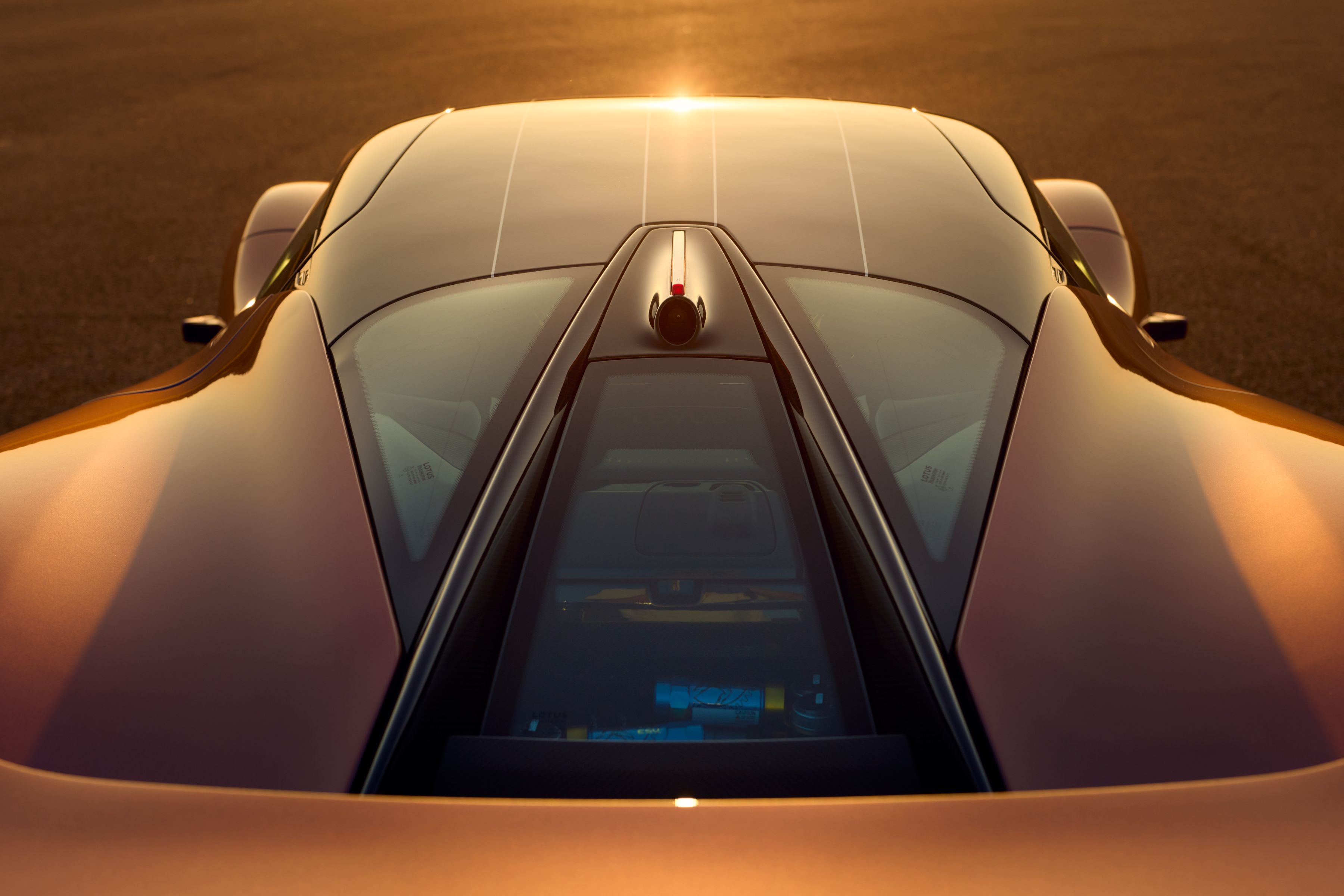
The Lotus Evija, a British electric hypercar, showcases impressive design and performance.
Credit Lotus Cars
The Lotus Evija, designed, engineered, and handcrafted at Hethel, UK, is a pure-blooded British electric hypercar.
Since its release in July 2025, the Lotus Evija has been captivating attention with its design and performance — a remarkable example of British engineering — a fully electric hypercar boasting over 2,000 PS and exceptional performance, aimed at redefining EV technology standards. In essence, the Lotus Evija stands as the most powerful electric production car ever created.
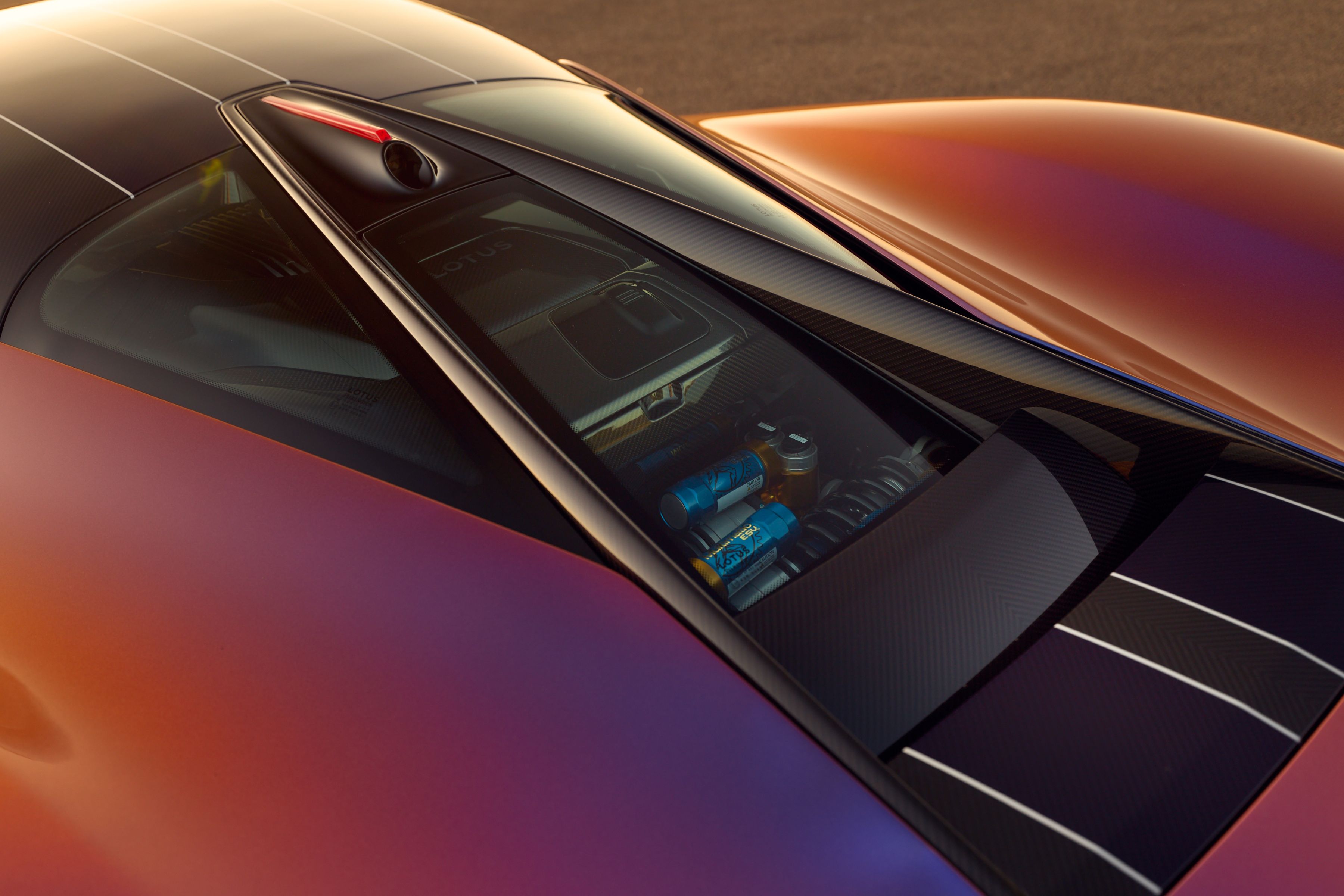
The Lotus Evija, a British electric hypercar, showcases impressive design and performance.
Credit Lotus Cars
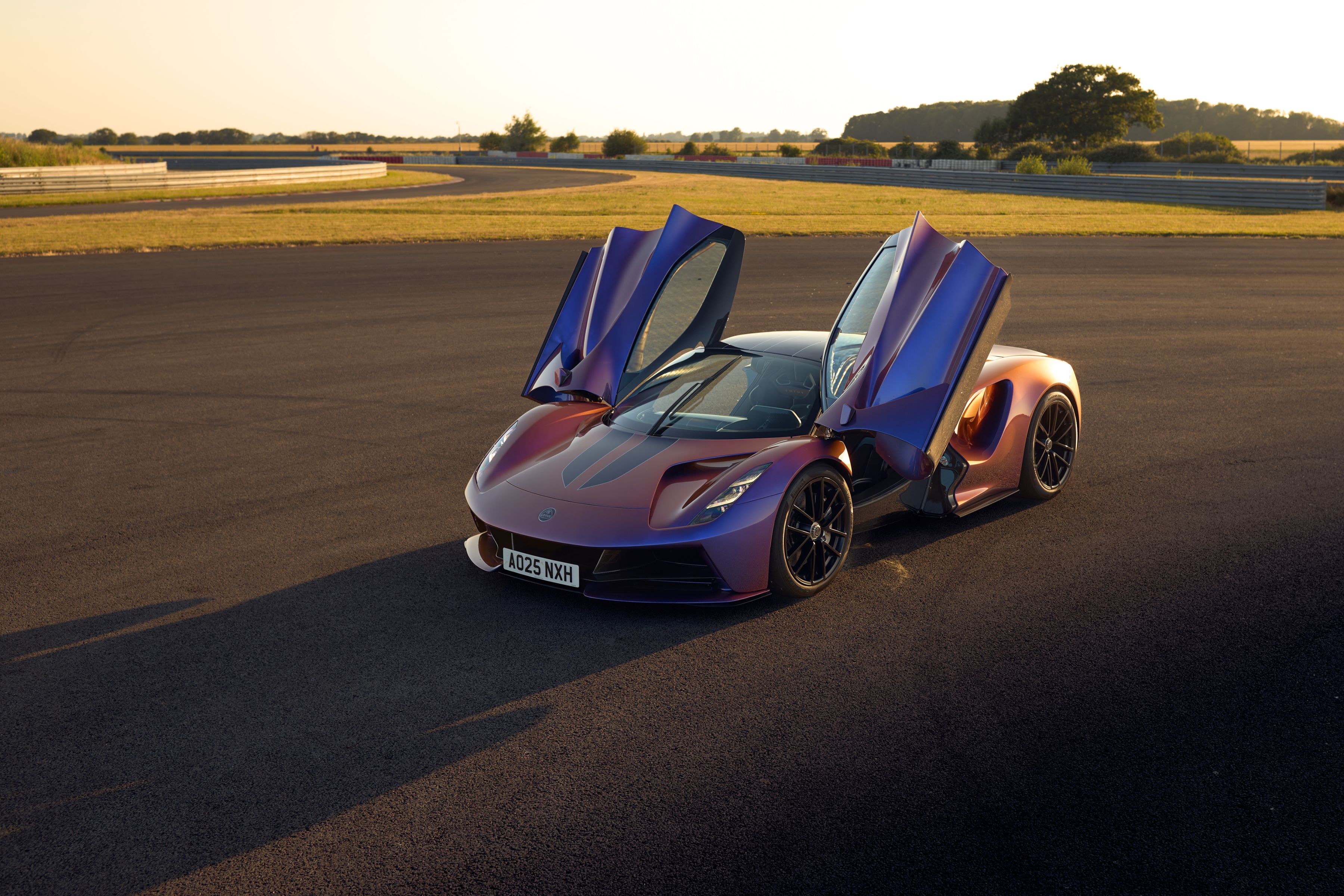
The Lotus Evija, a British electric hypercar, showcases impressive design and performance.
Credit Lotus Cars
Exclusivity and desirability go hand in hand in the world of hypercars, and Evija is blessed with an abundance of both. Production is limited to a maximum of 130 cars, a figure set in tribute to the car’s project code ‘Type 130’. Lotus road and race cars throughout the brand’s seven decades of success have been assigned a Type number, and Evija is no exception. Illustrative of the innovative thinking and ingenuity which has always been part of the Lotus DNA, Evija is a technical tour de force. It continues the legendary Lotus bloodline that is rich in firsts and technical game-changers, both in the automotive and motorsport sectors. It remains true to the company’s DNA and the guiding principles of founder Colin Chapman, who built the first Lotus in 1948.
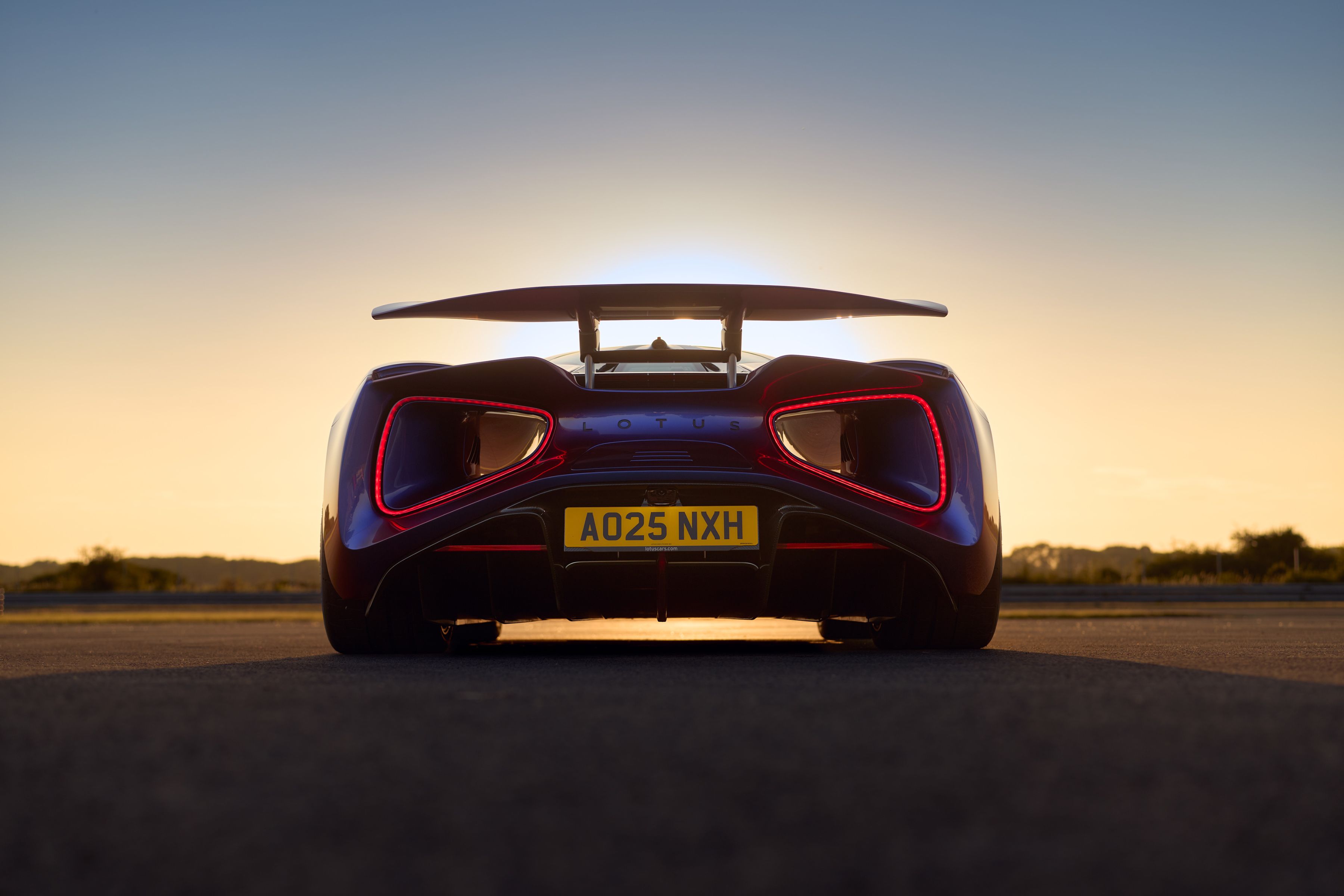
The Lotus Evija, a British electric hypercar, showcases impressive design and performance.
Credit Lotus Cars
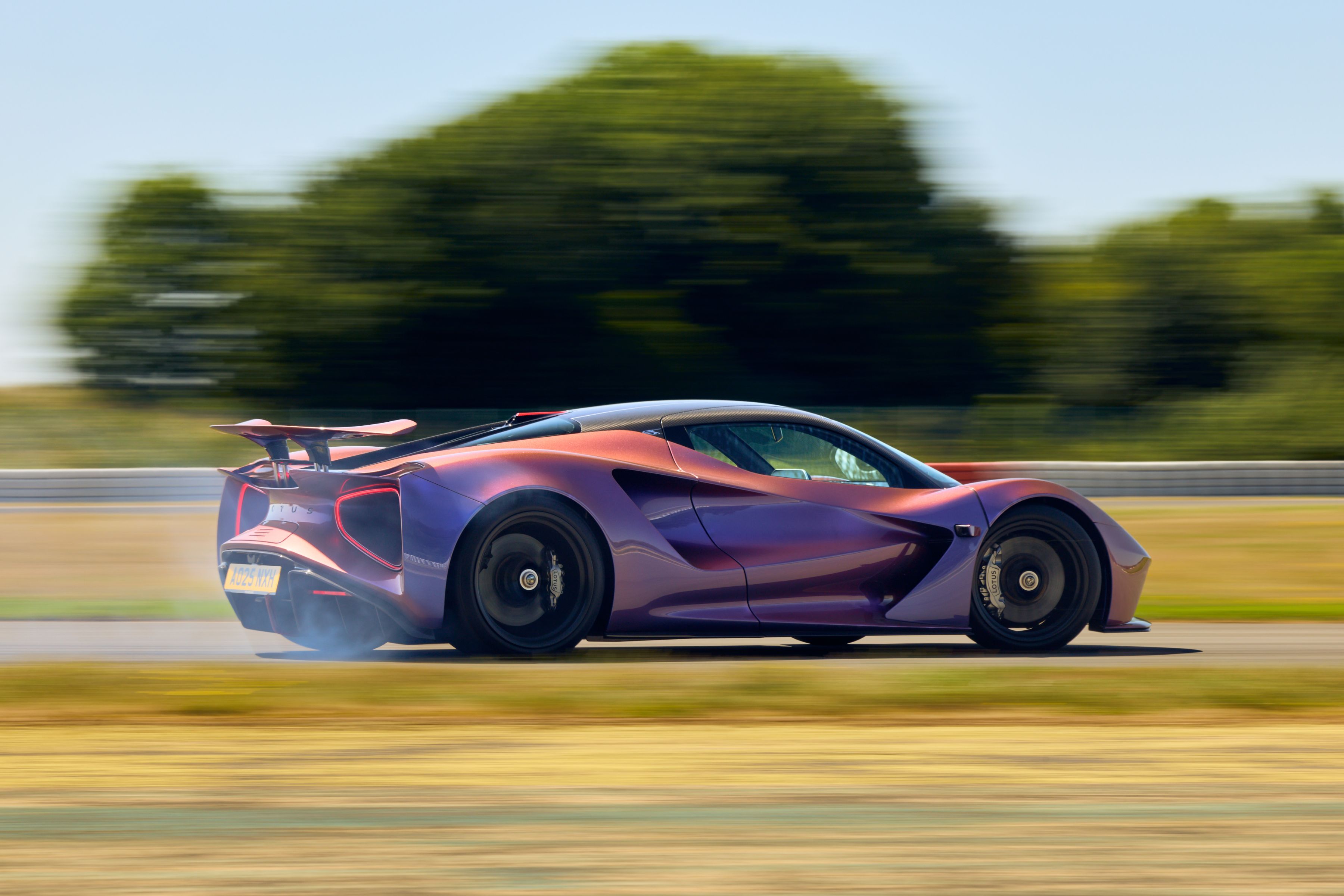
The Lotus Evija, a British electric hypercar, showcases impressive design and performance.
Credit Lotus Cars
Engineered for precise and sustained performance, Evija has five driving modes – Range, City, Tour, Sport and Track – and sprints from 0-62 mph (0-100 km/h) in under three seconds. From the moment it was revealed, Evija signalled the beginning of an exciting new chapter for one of Britain’s most iconic and beloved sports car brands. As Lotus’ first hypercar, Evija laid the groundwork for a new generation of high-performance lifestyle models, including the Eletre hyper-SUV and Emeya hyper-GT.
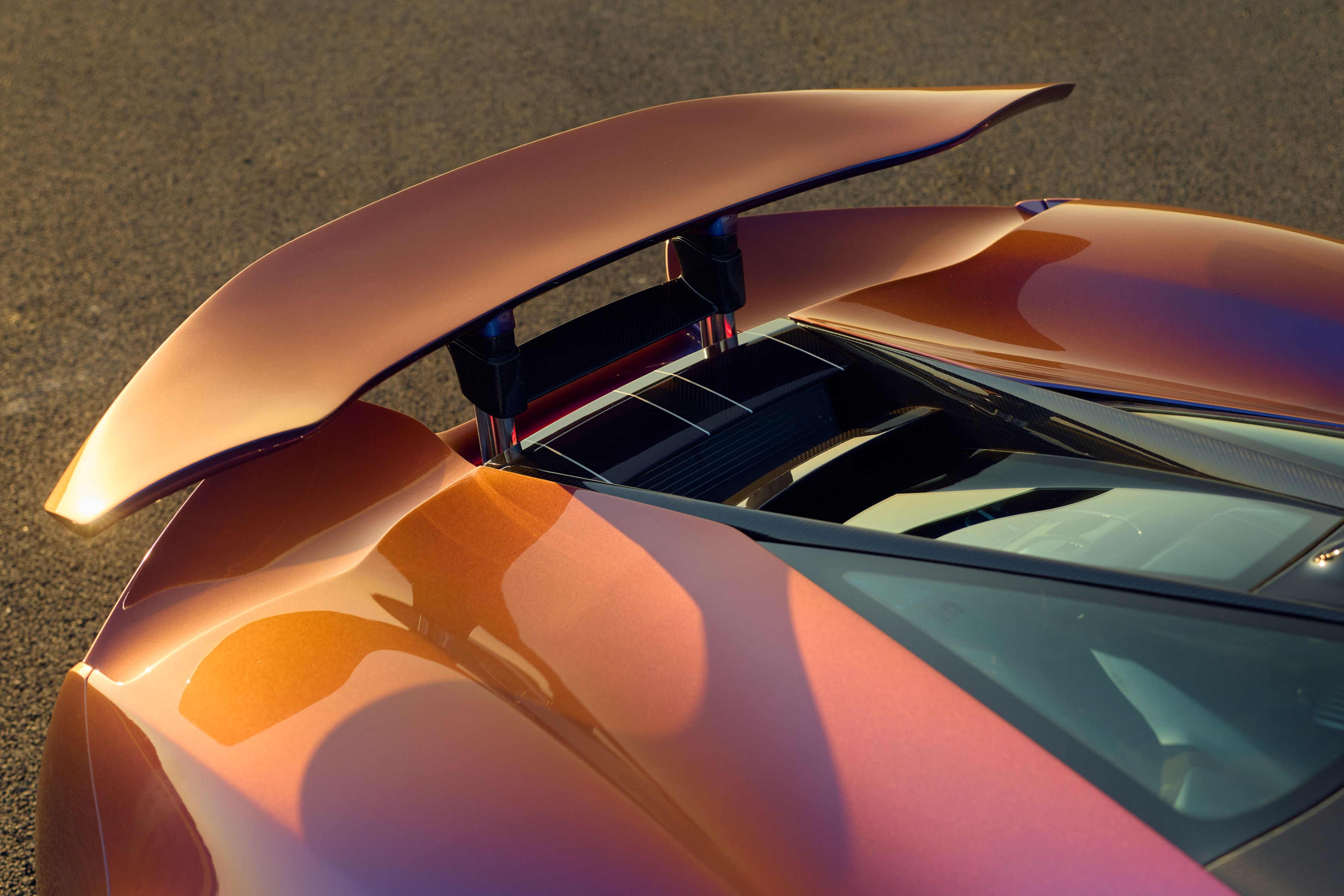
The Lotus Evija
Credit Lotus Cars
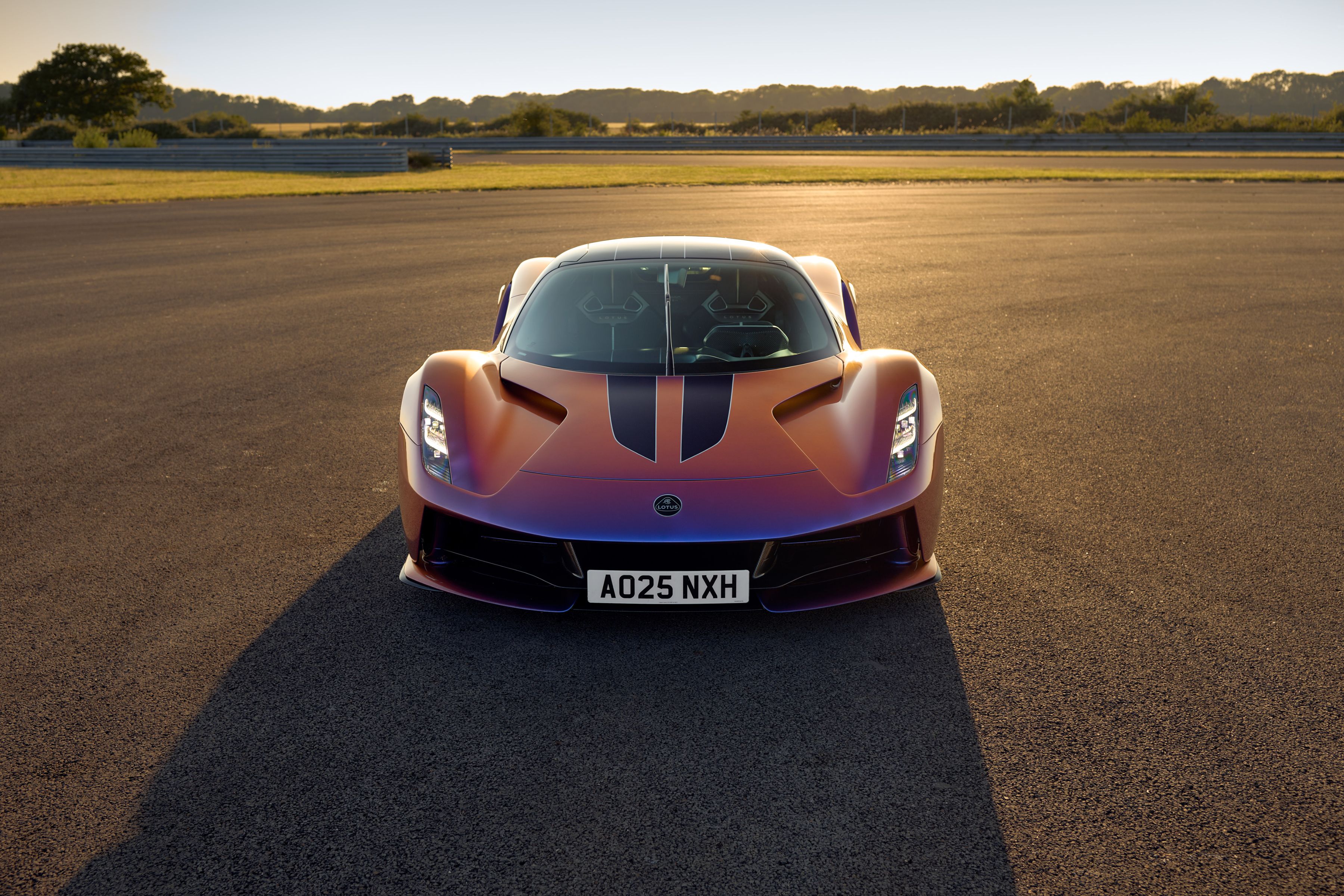
The Lotus Evija
Credit Lotus Cars
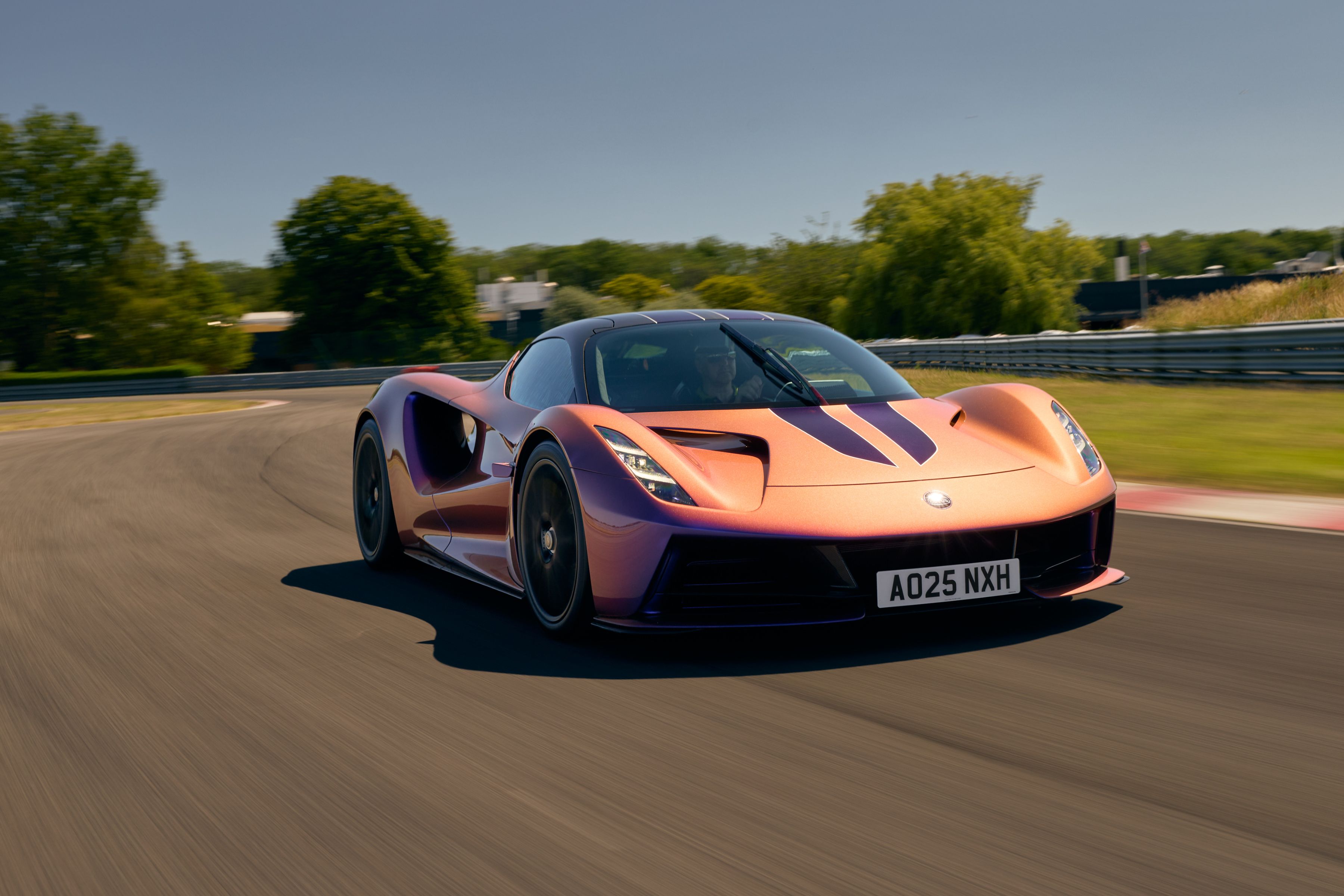
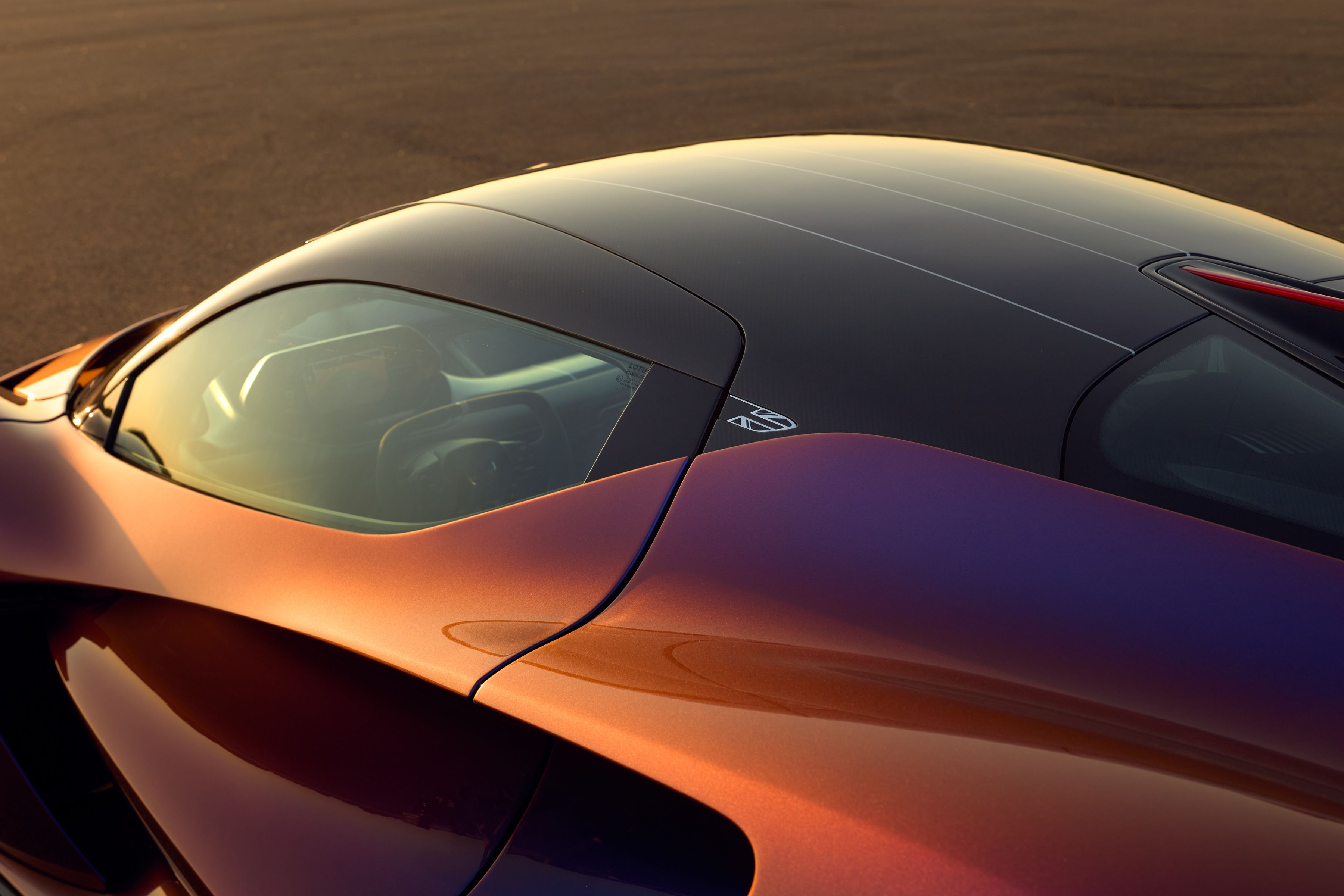
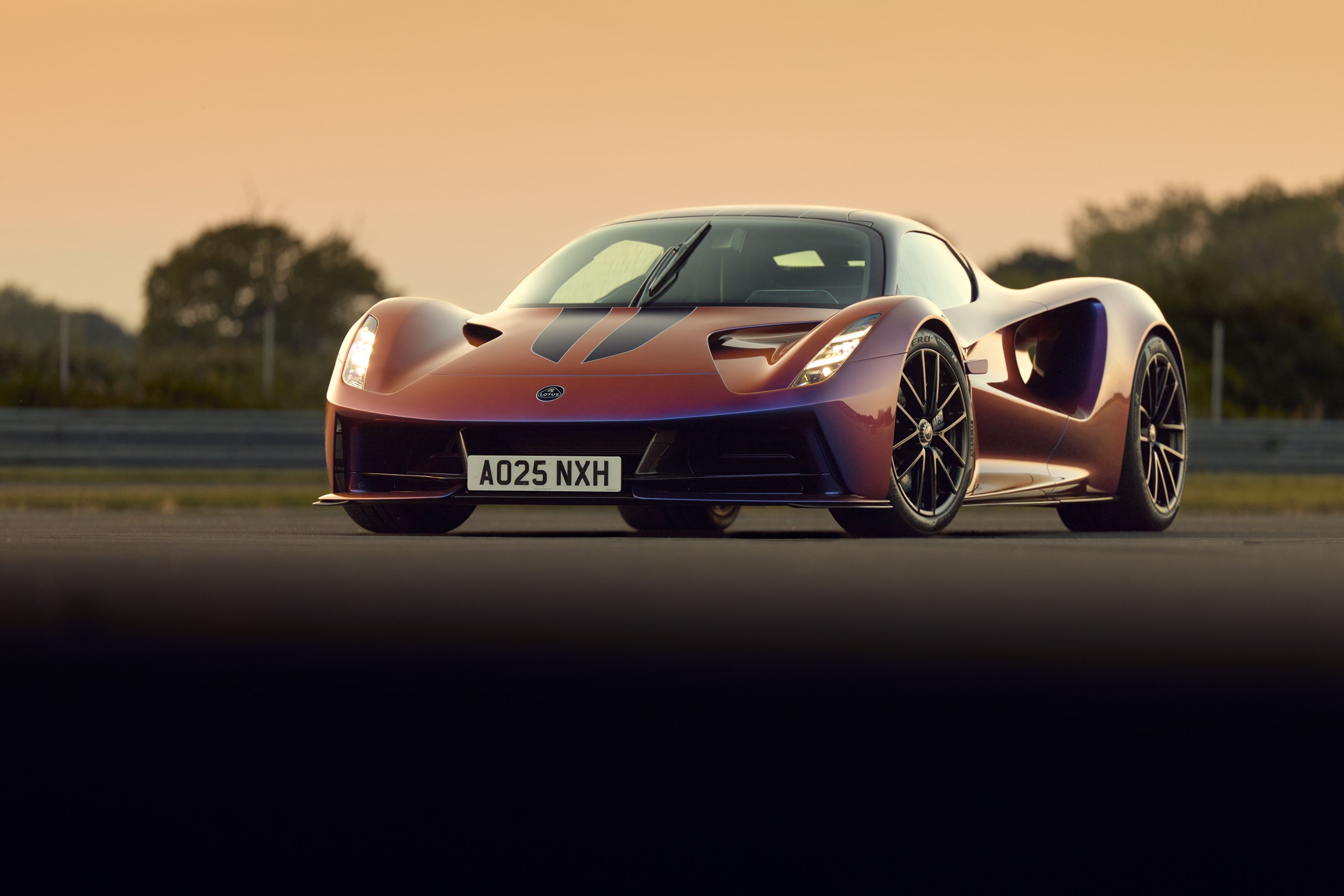
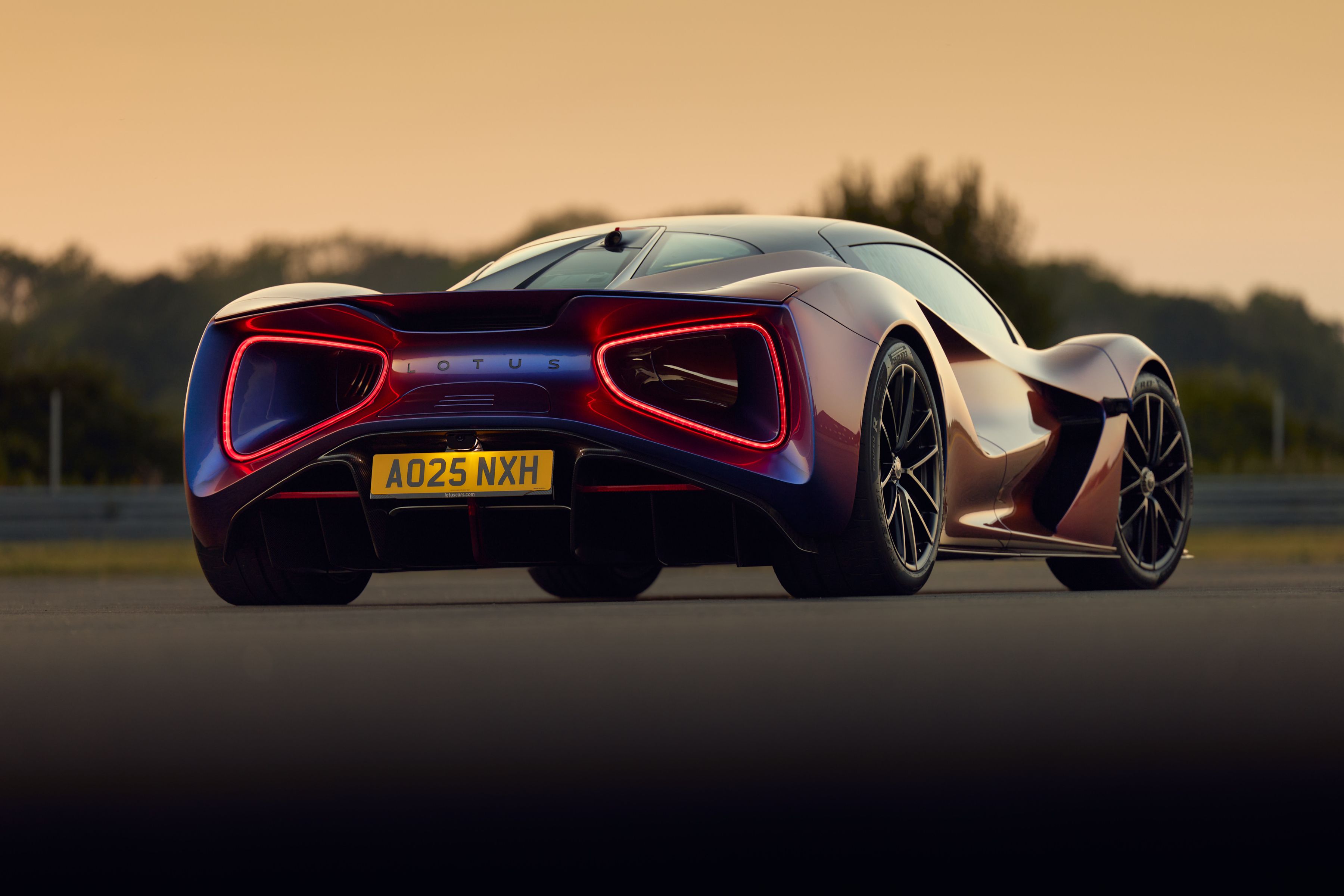
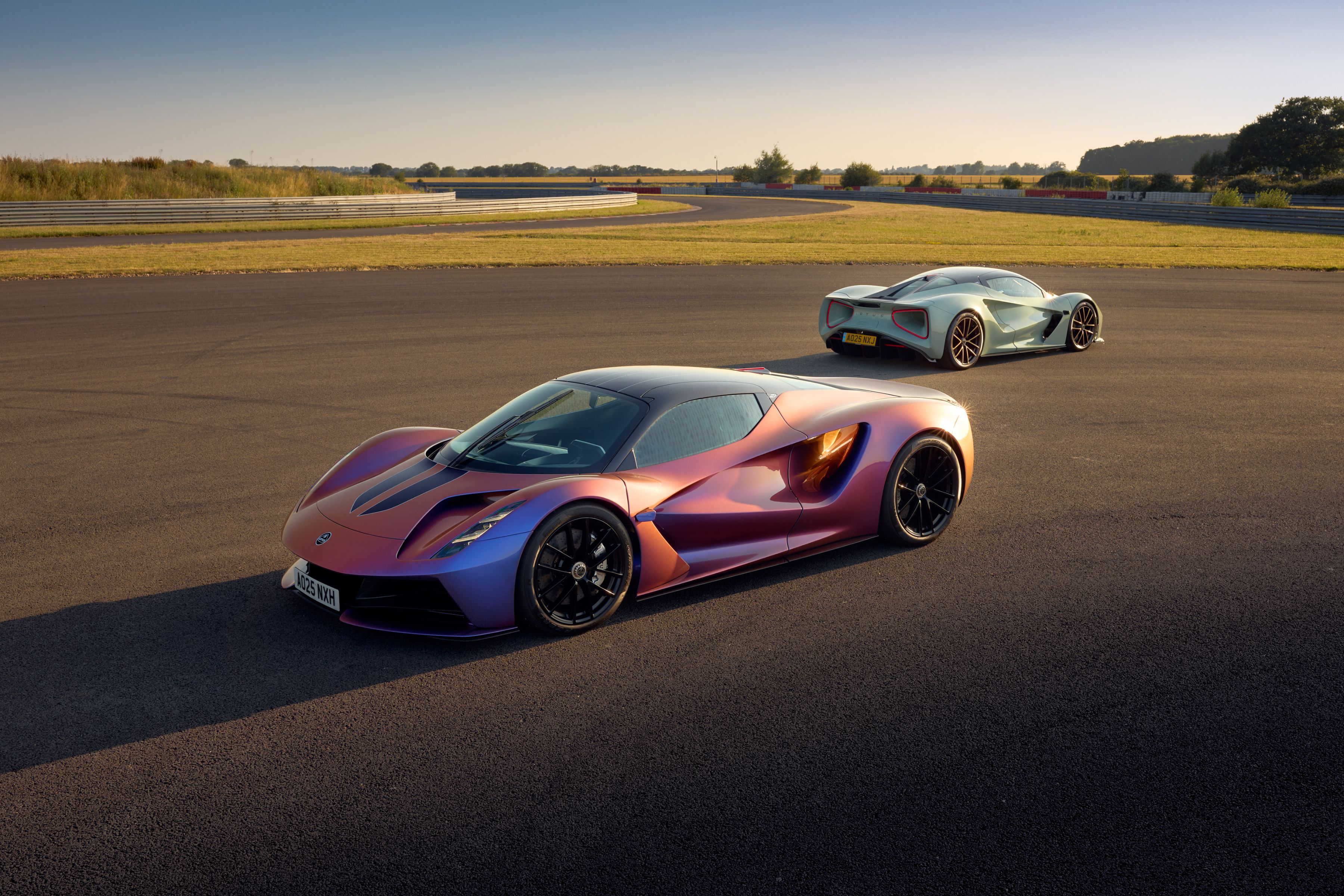
One of the most striking elements of the Lotus Evija is its exterior. From every angle, the full carbon-fiber bodywork is stretched taut, appearing shrink-wrapped over the mechanical components. Crouching low to the ground at a ride height of just 105 mm, the pronounced muscular haunches envelop the teardrop cabin that sinks between them. Drawing inspiration from the aerospace industry, the exterior is a perfectly proportioned blend of fluid forms and crisp lines.
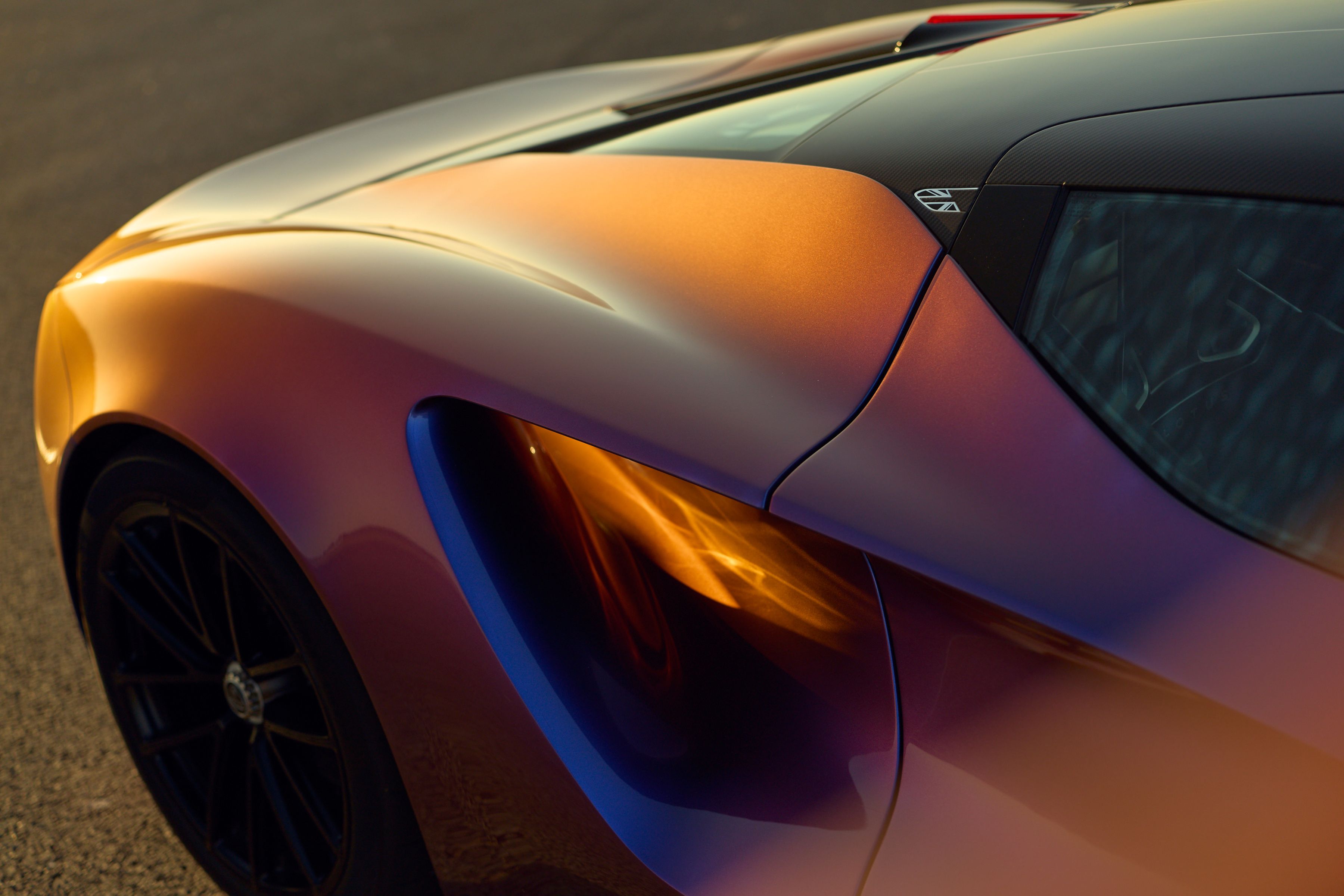
The Lotus Evija
Credit Lotus Cars
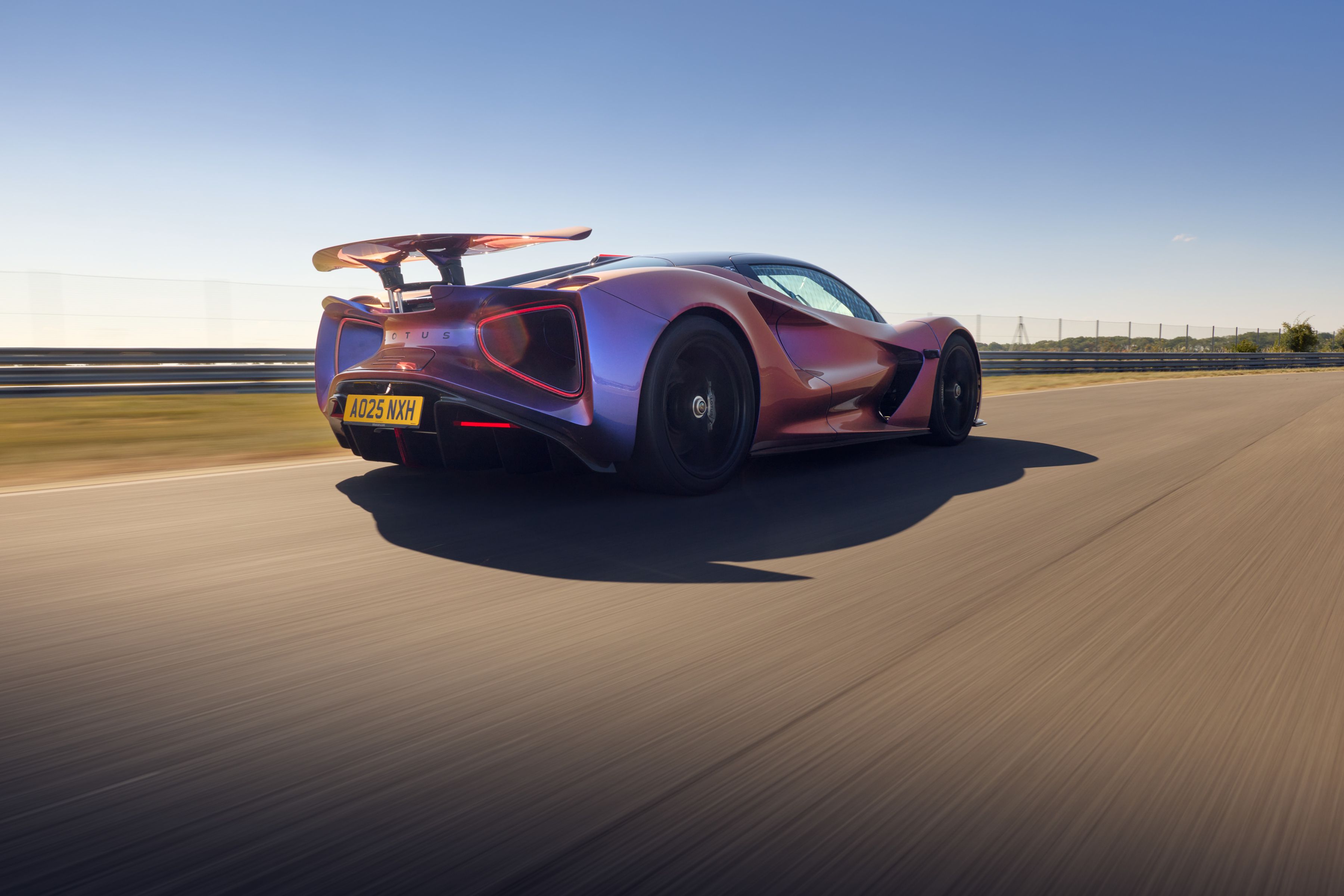
This is clearly illustrated by the gently curved yet sharp leading edge of the hood, reminiscent of many classic Lotus road and race cars. True to Lotus founder Colin Chapman’s core belief that every component should serve multiple purposes, the design is also exceptionally efficient. The most obvious example of this – and unquestionably the most dramatic element of the exterior – is the Venturi tunnels that pierce each rear quarter. Inspired by Le Mans race cars, they optimize airflow by directing it through the bodyshell. In the case of Evija, this also helps optimize airflow and generate drag to improve grip—staying true to Chapman’s philosophy.
The Lotus Evija
Credit Lotus Cars
The Lotus Evija
Credit Lotus Cars
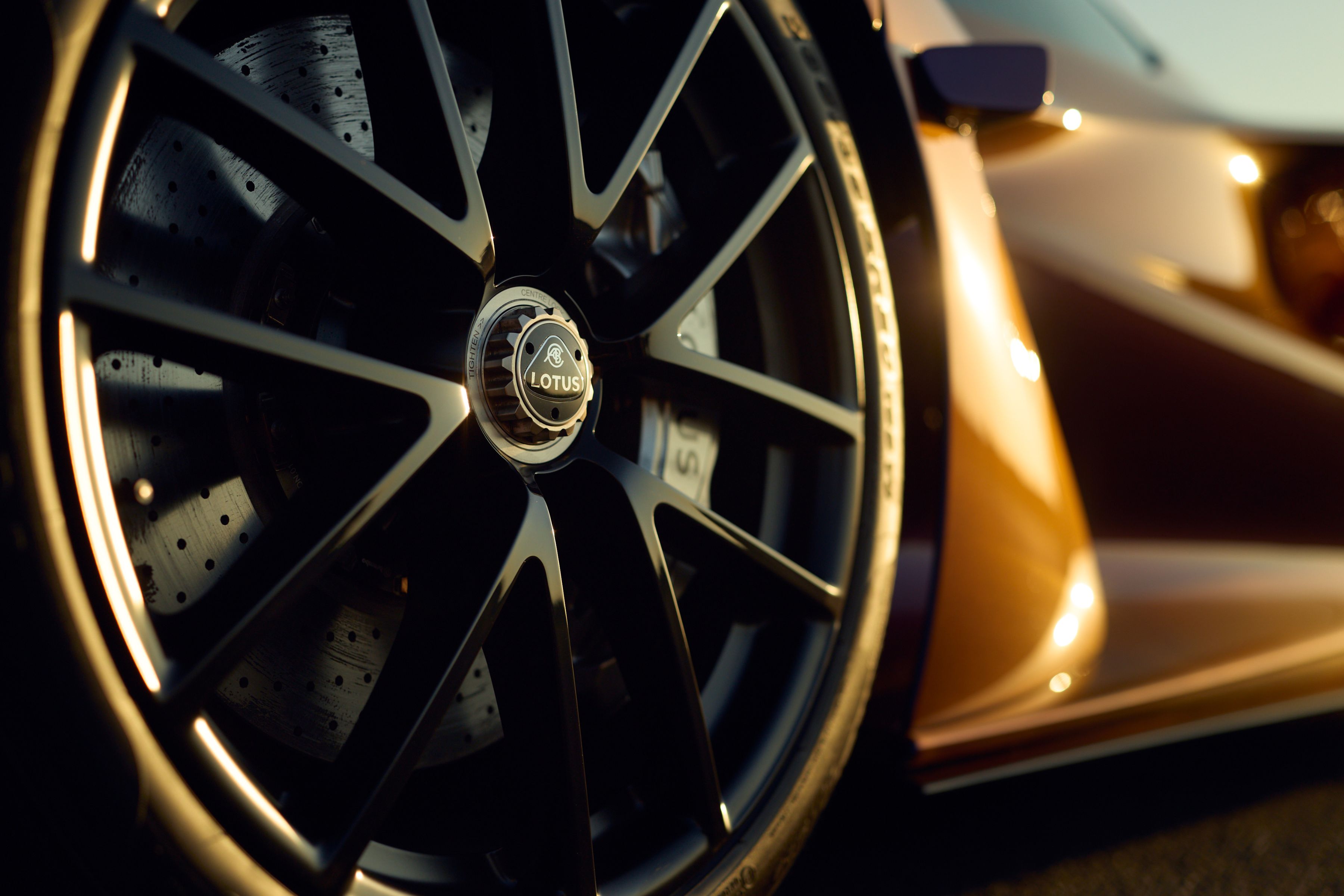
The Lotus Evija features laser lights for main and dipped beams, with compact modules providing excellent visibility. Its thin vertical headlamps balance beauty and technical design, with ‘wing-like’ elements inside forming daytime running lights and indicators. A key feature is the bi-plane front splitter, combining form and function: the central section cools the battery behind the seats, while the outer sections cool the front e-axle. Lotus nods to the Type 72 F1 car with its square central section and side wings. Active aerodynamics include an automatic rear spoiler and F1-derived Drag Reduction System (DRS), deployed in Track mode or manually in other modes. Evija marks a new chapter for Lotus, its first hypercar, paving the way for high-performance models like the Eletre hyper-SUV and Emeya hyper-GT.
The Lotus Evija
Credit Lotus Cars
The Lotus Evija
Credit Lotus Cars
The Lotus Evija
Credit Lotus Cars
The Lotus Evija’s interior is as striking as its exterior, inspired by race car engineering. It features a ‘floating wing’ dashboard visible through the windshield, echoing the exterior’s porosity. Access is via handle-free dihedral doors operated by the key fob, allowing dramatic entry and maximum space. Attention to detail, like carbon fiber surfaces and a metal band engraved ‘For The Drivers,’ reflects Lotus’s craftsmanship. A roof console switch closes the doors, honoring the iconic Lotus Esprit Turbo’s design.
The Lotus Evija
Credit Lotus Cars
The cabin balances track-car precision with road-car comfort, featuring adjustable seats, a manually adjustable steering column, standard three-point seat belts, and optional four-point harnesses. Storage areas are built into the bodyshell. The steering wheel, similar to an F1 car’s, has an Alcantara finish and intuitive controls for functions like phone and cruise control. A digital display shows essential information and activates as needed. The floating center console features touch-sensitive buttons with organic lighting effects and a control wheel for tech interaction. Climate control and a premium infotainment system with Apple CarPlay and Android Auto complete the interior.
The Lotus Evija
Credit Lotus Cars
The Lotus Evija produces 1,704 Nm of torque. In a tug-of-war, you could put four of the Lotus Evora Sport 410 on the other end of the rope and still not out-pull it. The Evija’s one-piece monocoque tub weighs just 129 kg, making it the lightest electric hypercar to date. The ‘mid-mounted’ battery pack improves aerodynamics and weight distribution, optimizing handling. It also echoes the celebrated Lotus mid-engined sports car layout. The Lotus Evija has a Venturi tunnel in each rear quarter. These are named for the Venturi Effect, the increase in air velocity that occurs when air flows through a more constricted area.
Matt Windle, President and CEO, Lotus Cars Europe: “Engineers dream of working on something like the Evija. I’ve been at the core of the project and have seen our passionate teams turn a vision into a halo proudly showcasing what Lotus can achieve. Evija pushes boundaries, explores new ways of thinking and uses elegant engineering to deliver performance and feel – it’s a Lotus in every sense.”


