
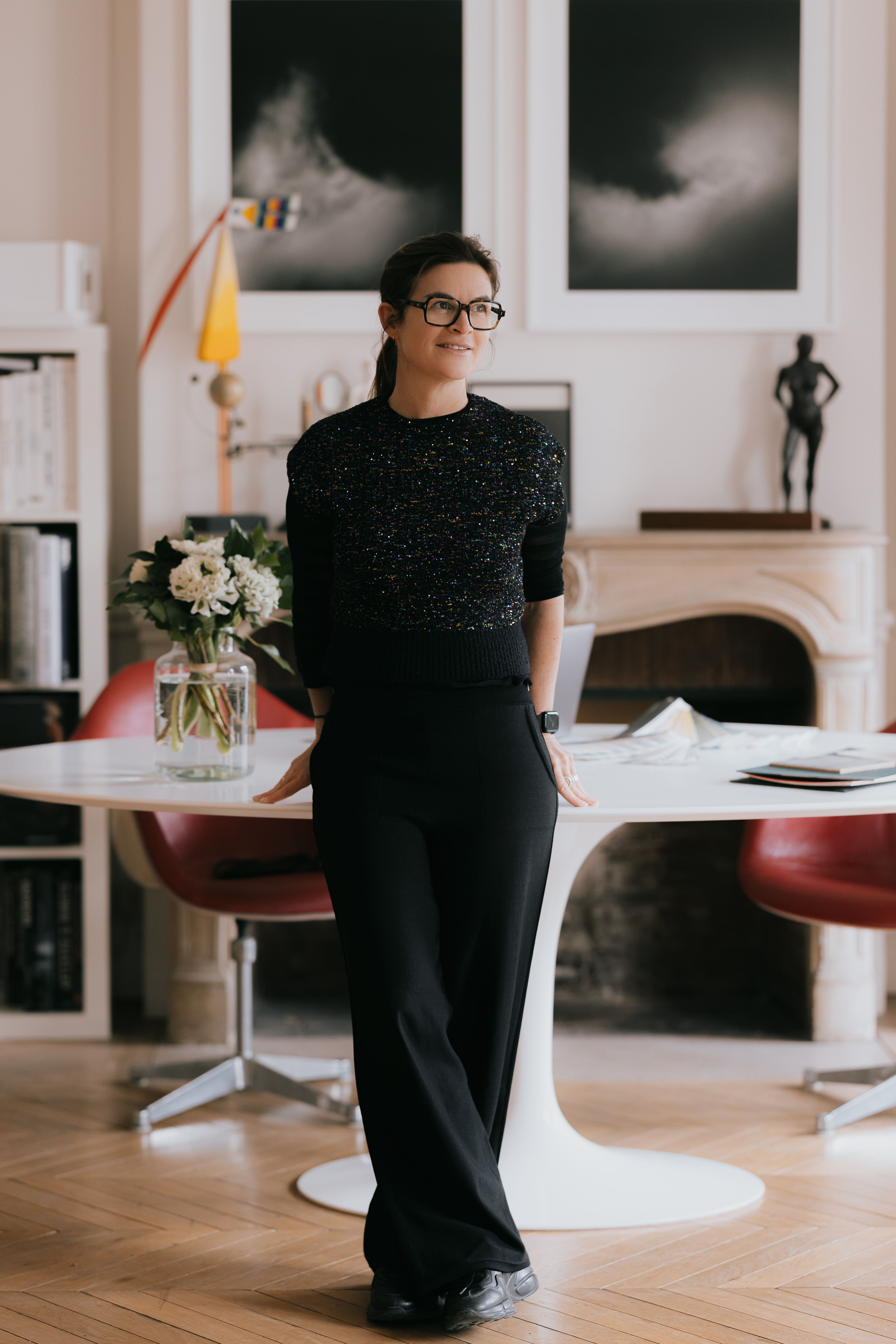
Cecile Degos
Credit Alix Marnat
World in Beauty talks to French designer Cécile Degos about designing with the Senses and the Art of Immersive Exhibition Scenography.
In exhibition design, scenography can significantly change how we experience art. French designer Cécile Degos emphasizes this by engaging the senses, designing spaces where light, materials, sound, and scent influence the visitor’s experience. Her approach encourages audiences to go beyond merely viewing the art to truly immersing themselves in it. By adding subtle olfactory cues and creating immersive spatial stories, Degos develops exhibitions that stay in visitors’ memories long after they leave the gallery. For World in Beauty, she explains how sensory design can enhance our emotional bond with art and narratives.
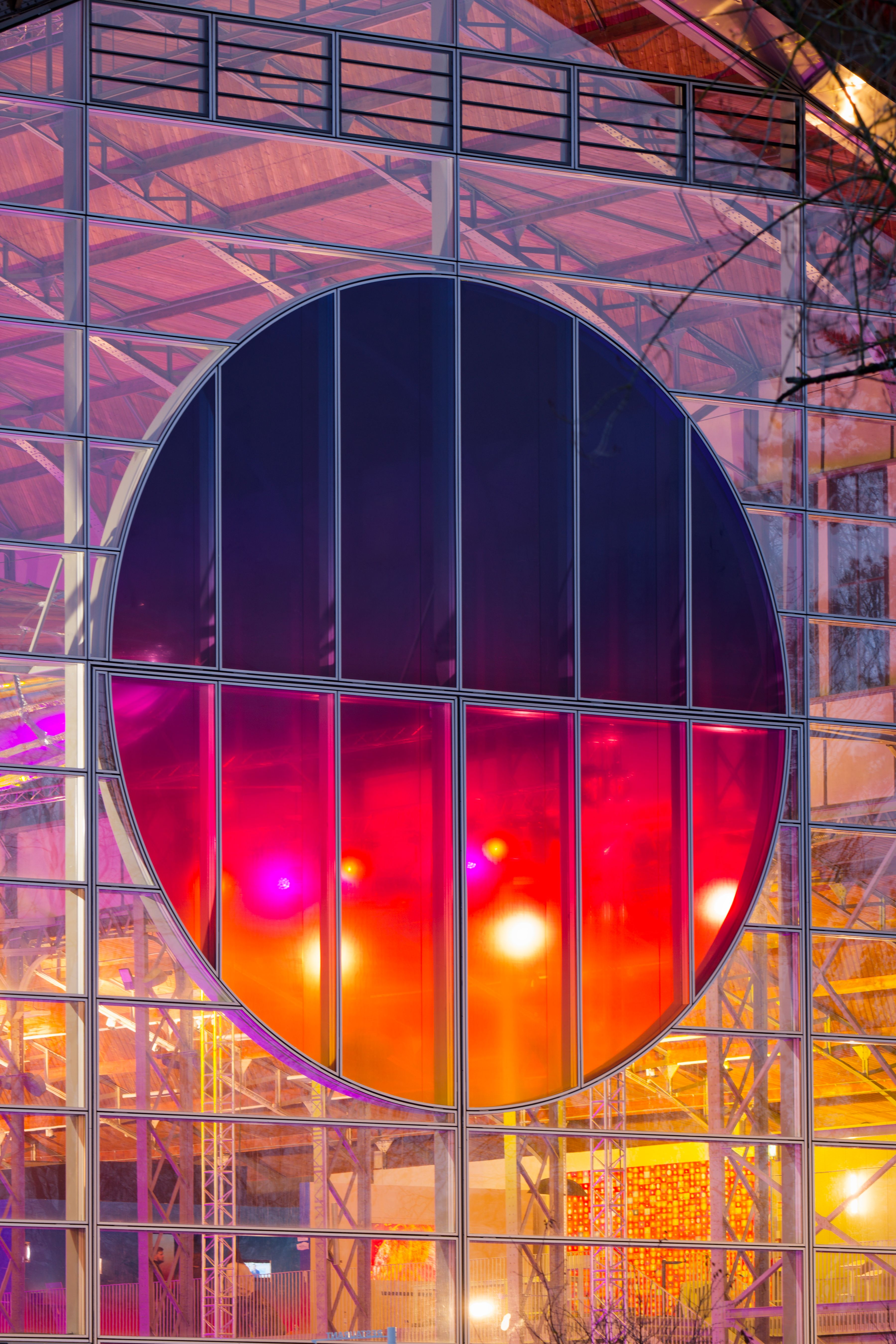
Cécile Degos’ scenography transforms museum spaces into immersive environments.
Credit Prendre le Soleil
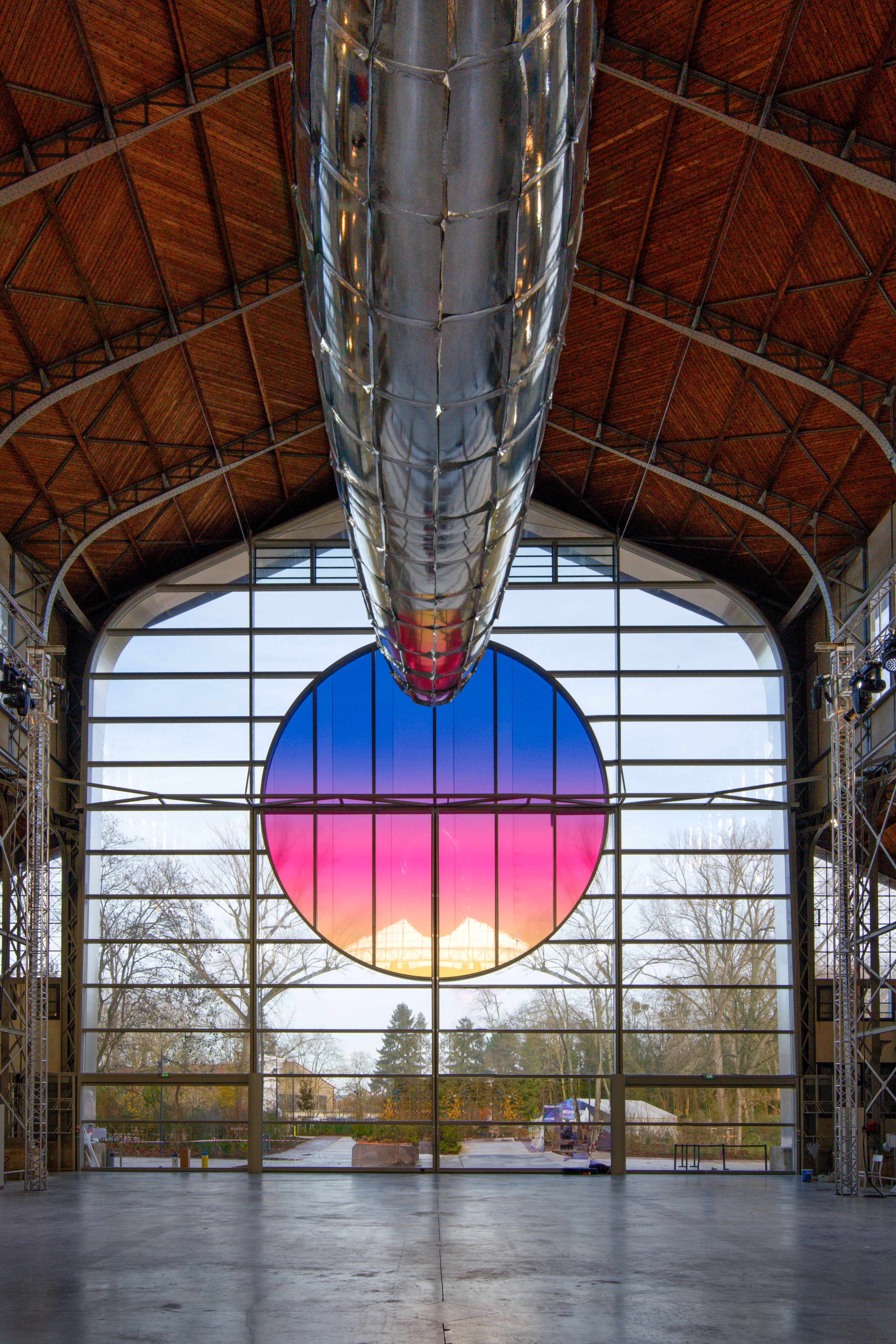
Cécile Degos’ scenography transforms museum spaces into immersive environments.
Credit Prendre le Soleil
WiB – What inspires you?
Cécile Degos – My sources of inspiration often lie outside the field of exhibition-making. Architecture, cinema, literature, photography, as well as landscapes and materials. I constantly absorb images and details, building a kind of visual memory that I draw from—sometimes immediately, sometimes years later. I am particularly attentive to simple phenomena: how light moves through space, the texture of a surface, the transition between atmospheres. These subtle elements often structure a project at a deeper level.
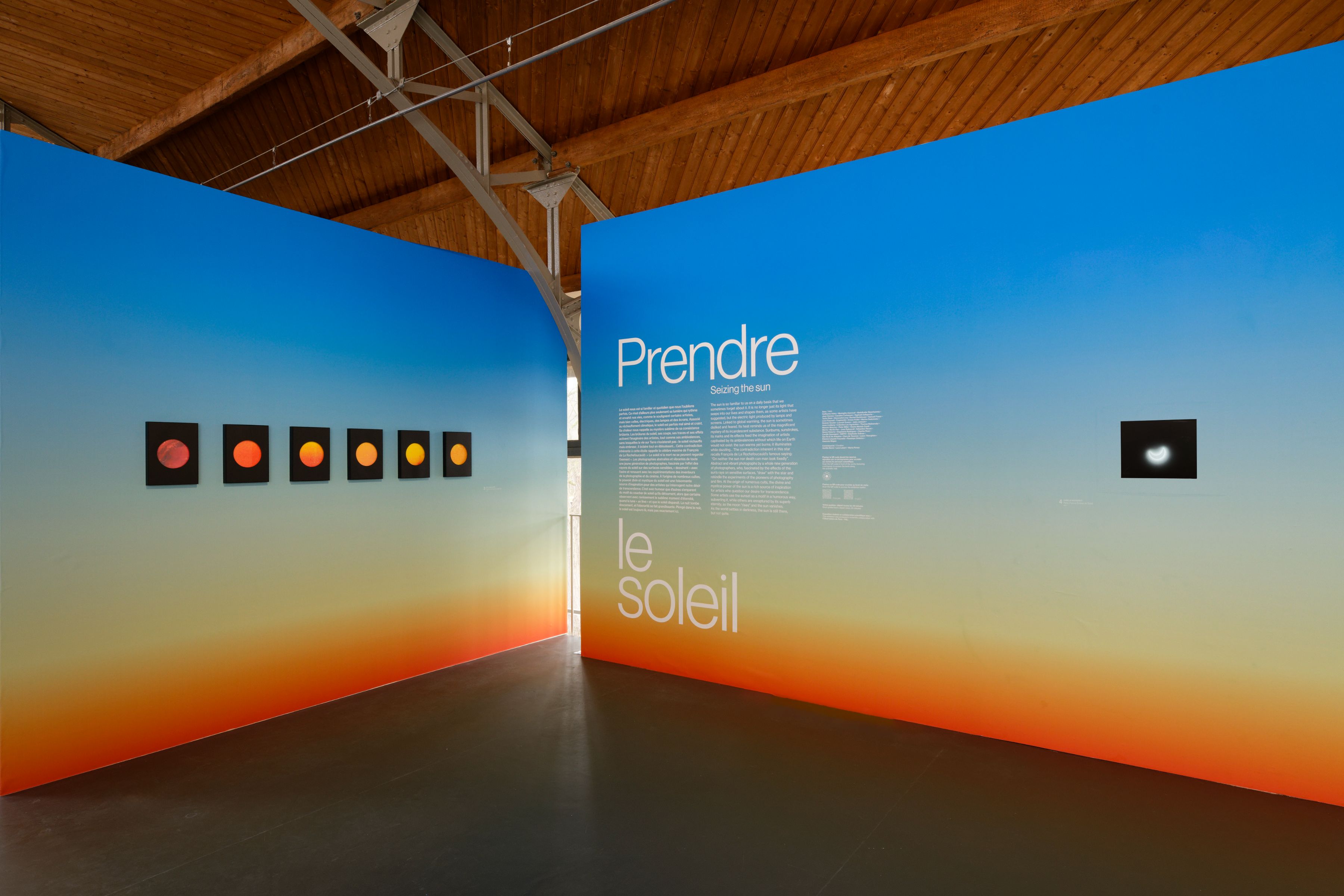
Cécile Degos’ scenography transforms museum spaces into immersive environments.
Credit Prendre le Soleil
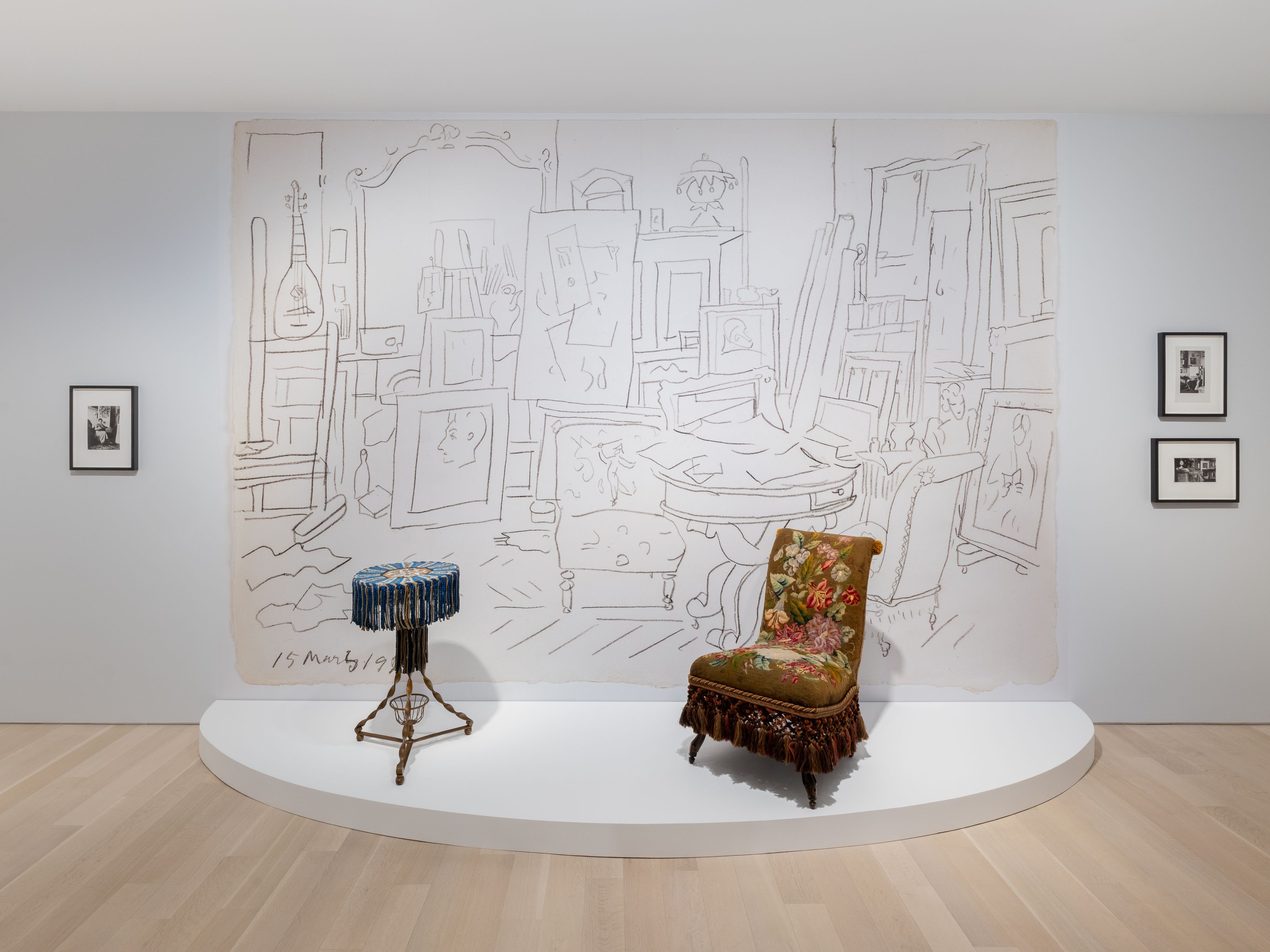
Cécile Degos’ scenography transforms museum spaces into immersive environments – Picasso Still life
Credit Cécile Degos
WiB – How do you envision the evolution of multisensory exhibitions?
Cécile Degos – We are at a pivotal moment. Digital tools and artificial intelligence are expanding the possibilities of immersion and interaction, sometimes to the point where environments become almost responsive. But the core issue is not technological. Emotion emerges from the body’s relationship to space, scale, and material. I believe all five senses should be engaged as fully as possible, because each visitor constructs a different experience. It is this multiplicity of perception that makes an exhibition truly alive.
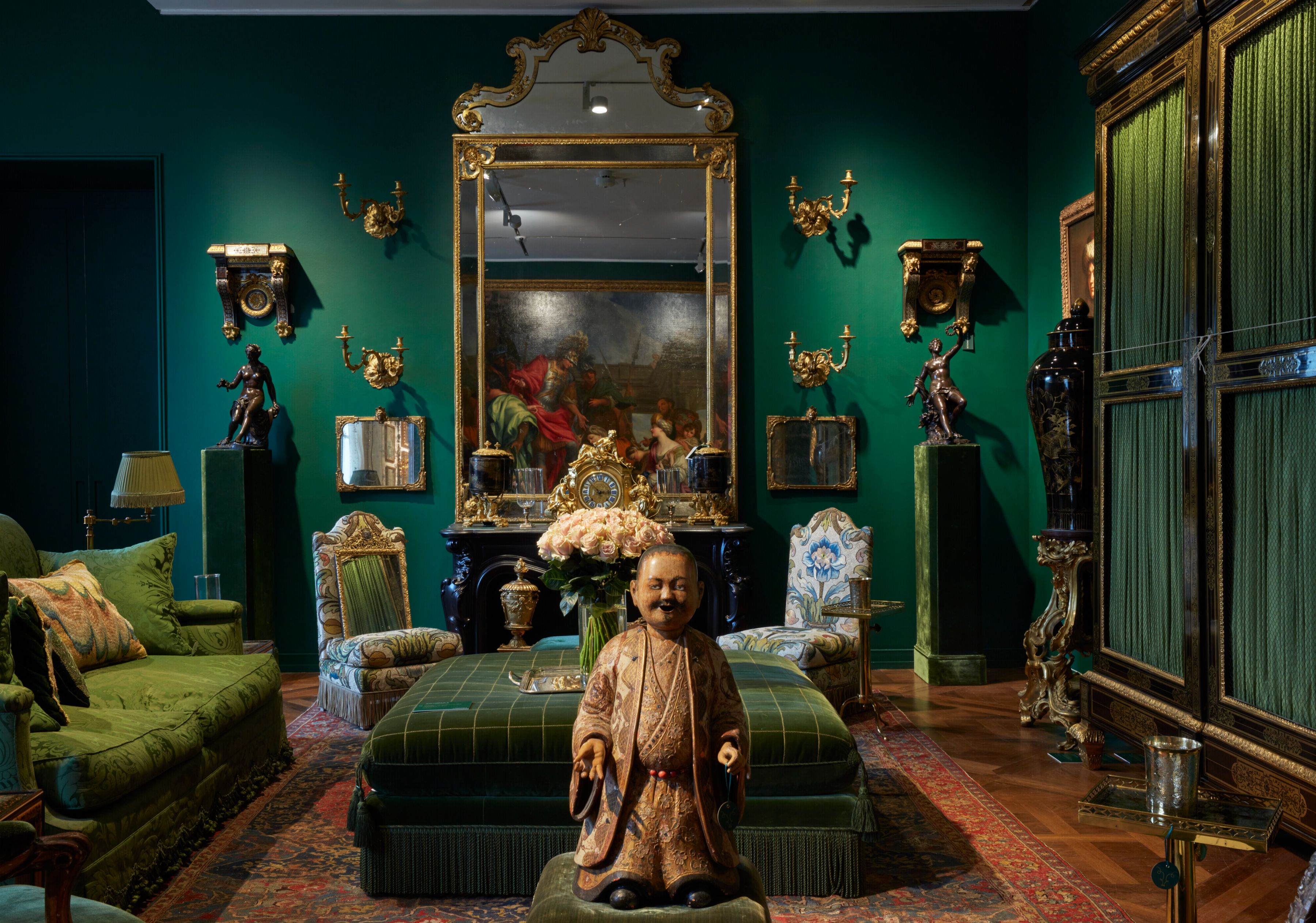
Multisensory exhibition design where scent becomes part of the narrative experience.
Credit Cécile Degos
WiB – How do you design experiences that remain in memory?
Cécile Degos – By focusing on precision rather than effect. An exhibition is not built on spectacle, but on calibration. Often, it is the simplest elements—a shift in light, a rhythm, a proportion, a colour, a juxtaposition—that leave a lasting impression. The aim is to create conditions for attention.
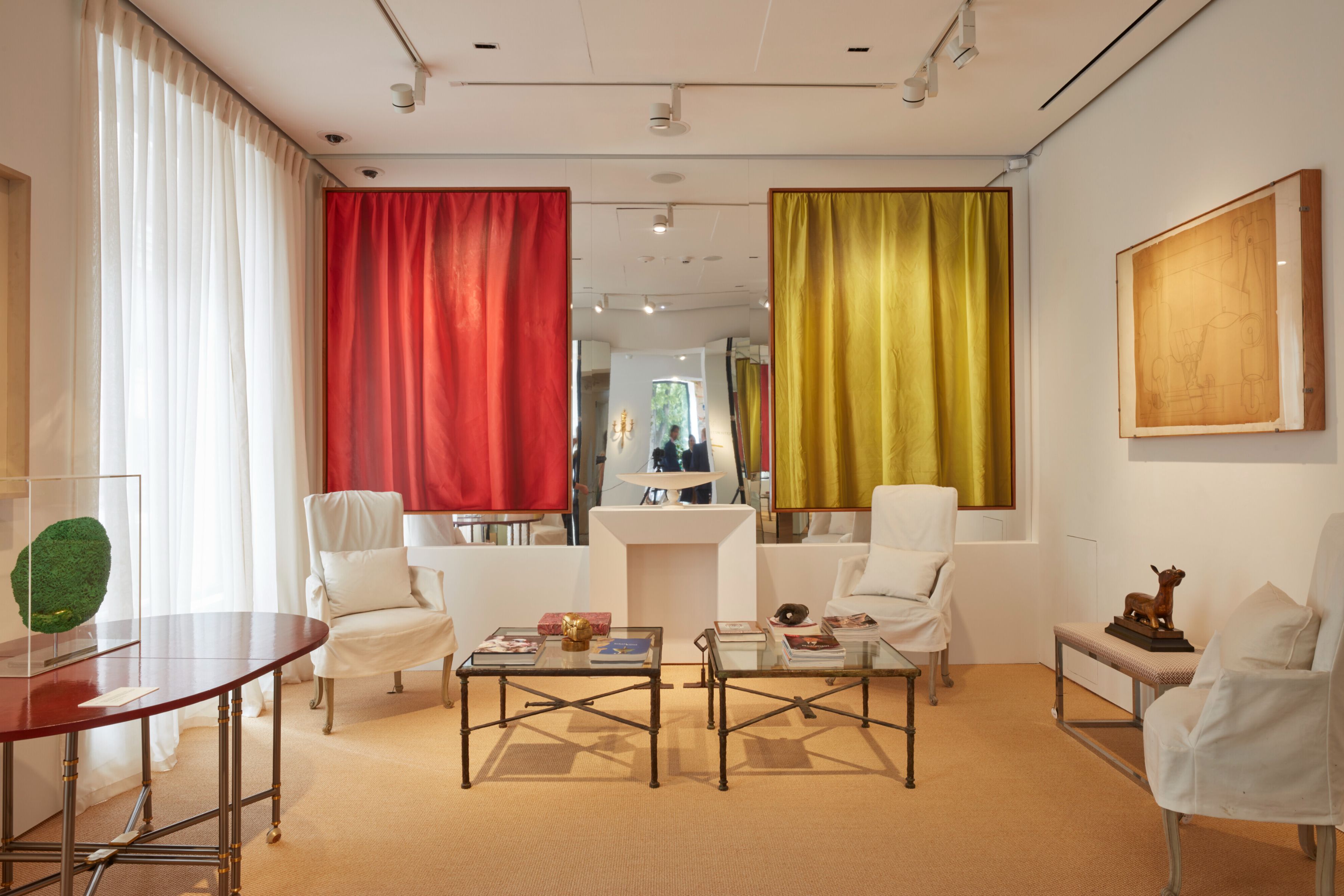
Cécile Degos integrates scent, light, and materials to create immersive exhibition scenography.
Credit Cécile Degos
WIB – Can scenography inspire other disciplines?
Cécile Degos – Very directly. Fashion, design, and jewellery all share an attention to materials and perception. What scenography adds is a narrative dimension within space. It invites a different way of seeing—one that questions and prolongs the viewer’s engagement with an object, a body, or a work.
I find it especially compelling to bring this scenographic approach into these areas—to explore how spatial thinking, sequencing, and sensory composition could enhance the way objects are conceived, displayed, and experienced beyond the exhibition space.
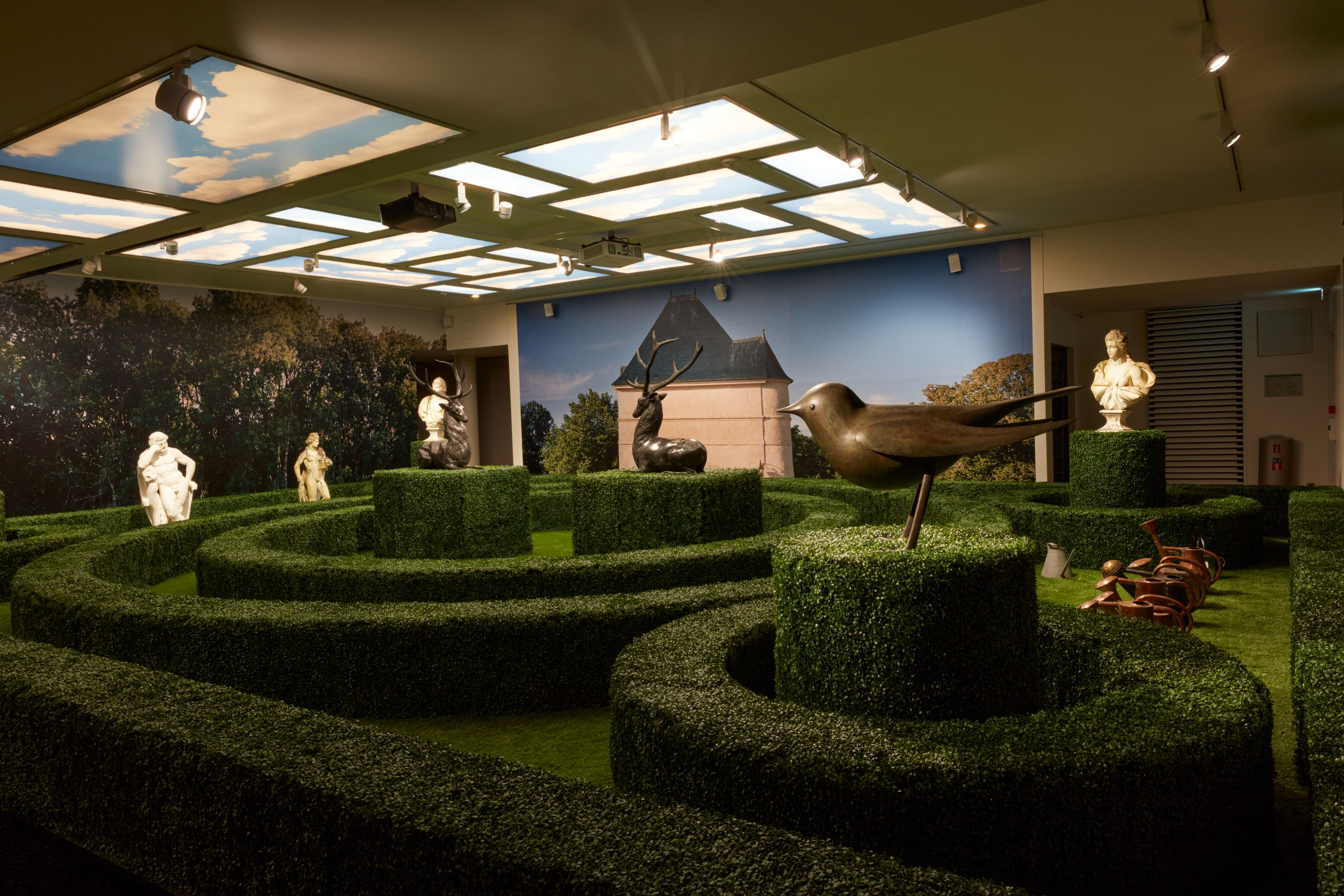
Multisensory exhibition design where scent becomes part of the narrative experience.
Credit Cécile Degos
WiB – If you could translate an exhibition into a fragrance, what would it smell like?
Cécile Degos – I see it as a composition in three parts: a light, almost imperceptible opening that welcomes entry; a more structured core where the story unfolds; and a subtle foundation that lingers. It would include mineral, fresh, and energetic notes, perhaps a very delicate hint of paper or fabric—something connected to memory. A trace.
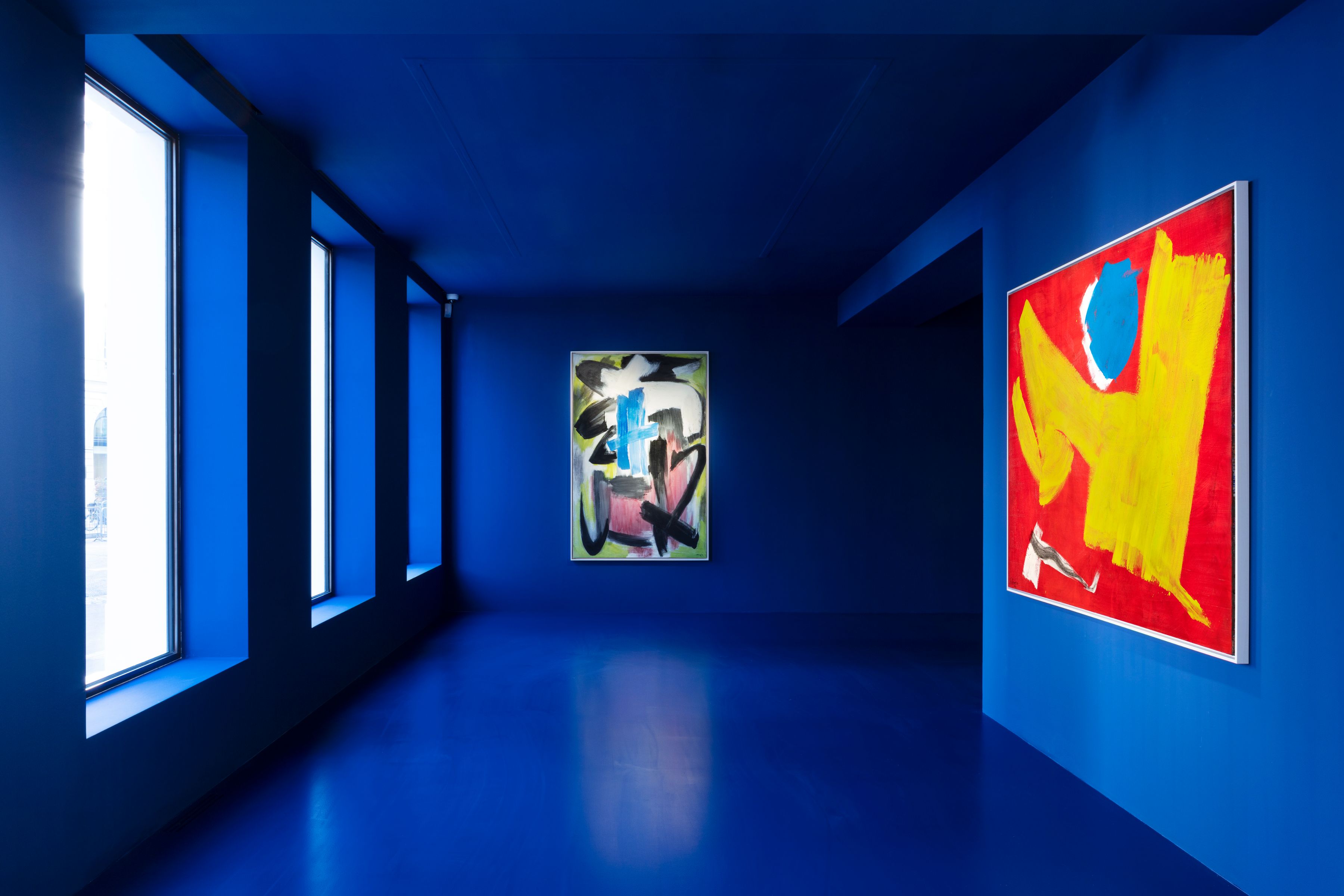
Multisensory exhibition design where scent becomes part of the narrative experience.
Credit Cécile Degos
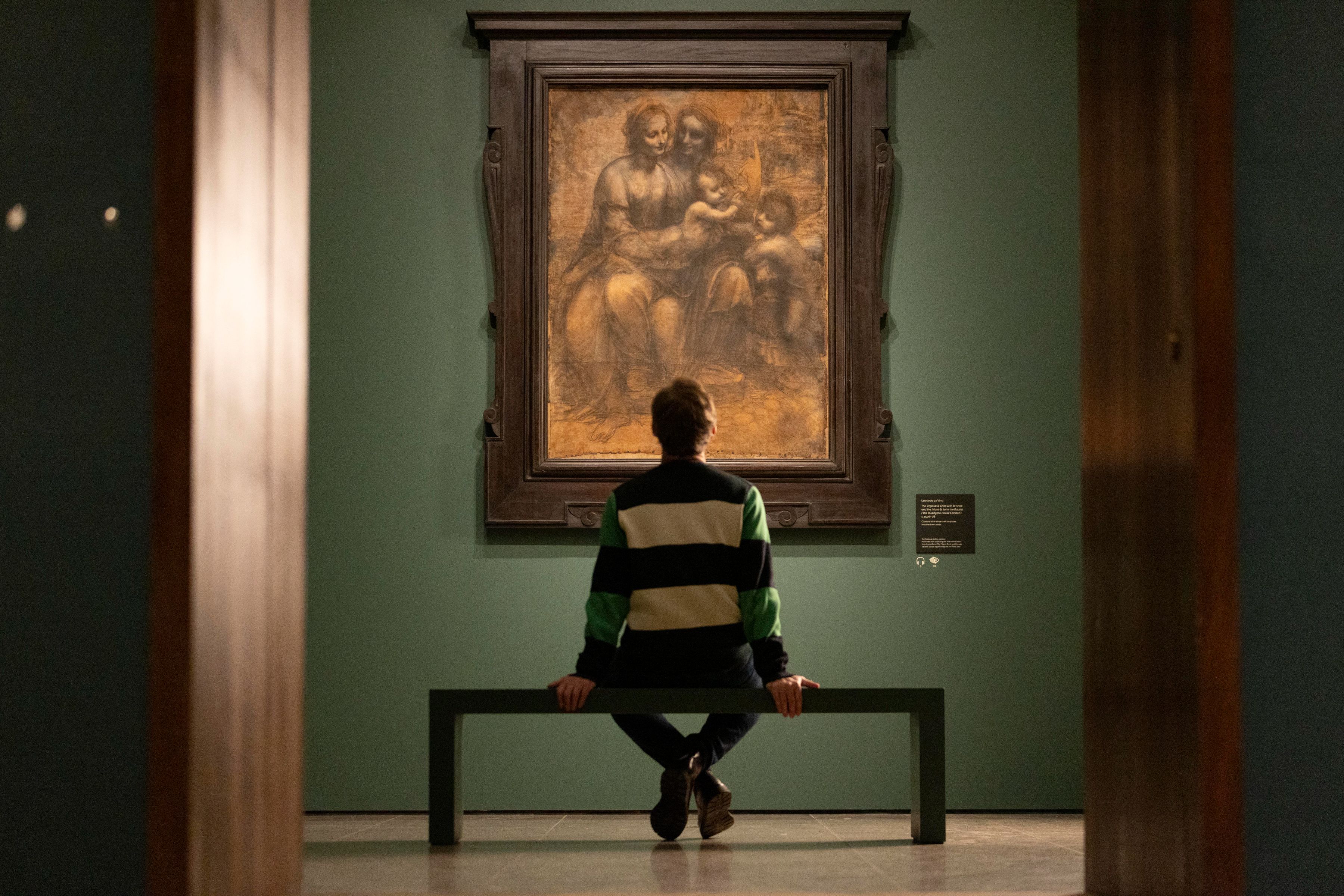
Exhibition scenography by French designer Cécile Degos exploring sensory storytelling.
Credit Cécile Degos
WiB – Beyond sight, which sense plays a key role in shaping the visitor’s experience?
Cécile Degos – Smell may be the most immediate sense since it links directly to memory and emotion, yet it remains underused in exhibitions. Touch, even indirectly, is equally vital—the perception of materials, distances, and temperatures greatly influences how space is experienced. Sound also plays a significant role. Many artists incorporate rhythm or music, and adding this element helps visitors engage more deeply with the artist’s world.
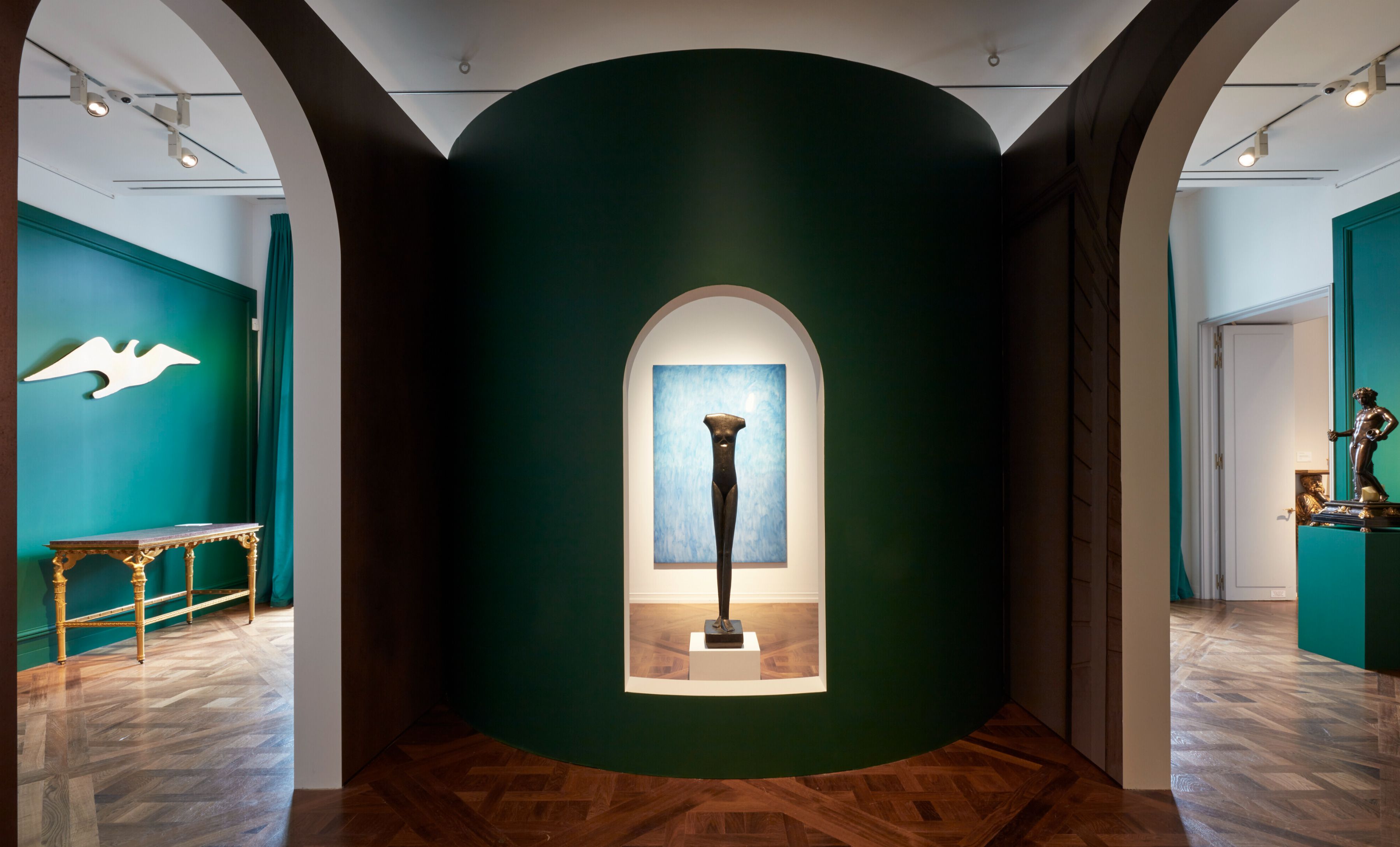
Multisensory exhibition design where scent becomes part of the narrative experience.
Credit Cécile Degos
WiB – Are there invisible influences in your work?
Cécile Degos – Constantly. Architectural structures, natural rhythms, almost imperceptible details. These elements are not always consciously perceived by visitors, but they organize space and contribute to the coherence of the experience.
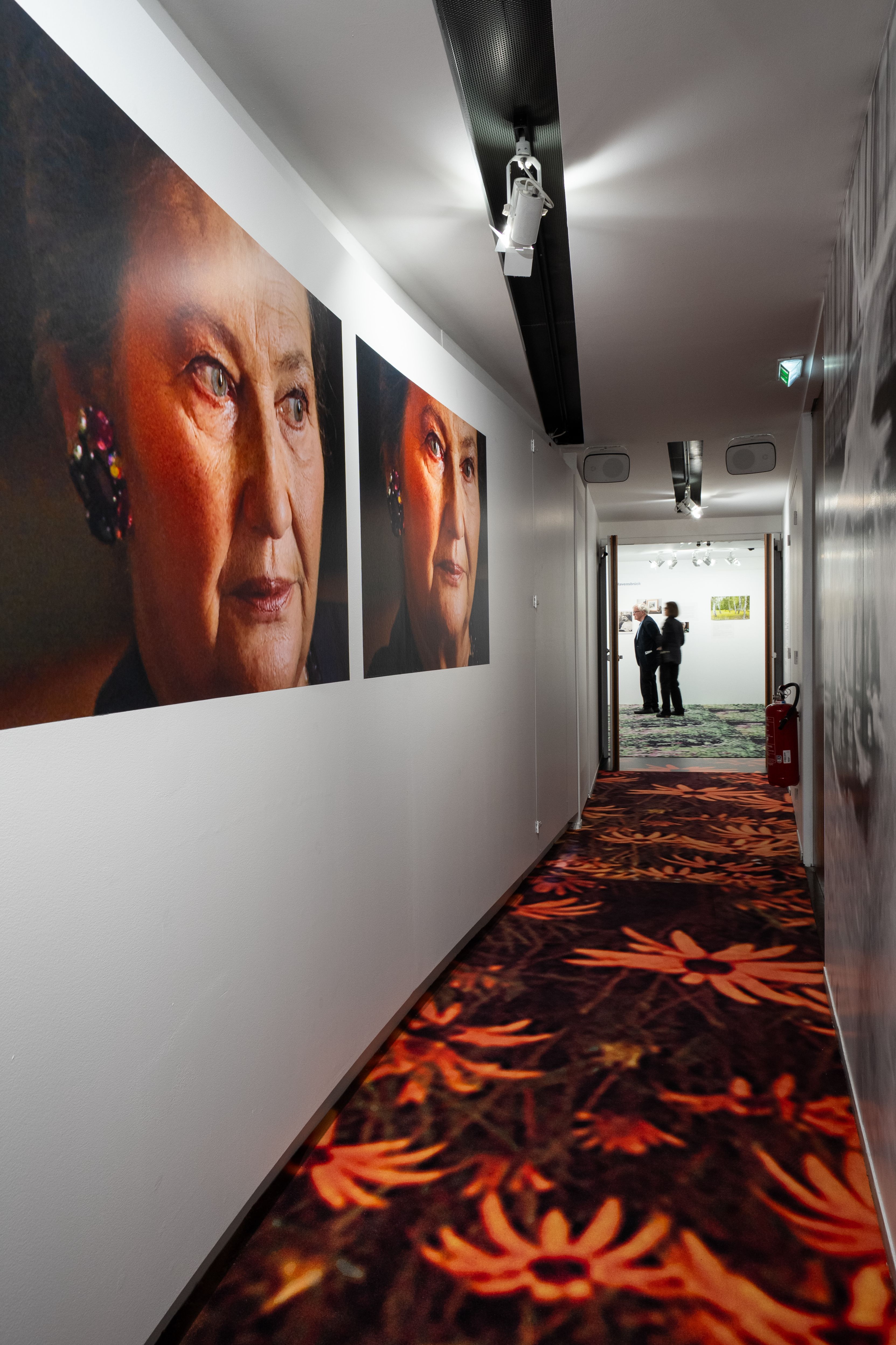
Exhibition scenography by French designer Cécile Degos exploring sensory storytelling – Simone Veil Soeurs ( My sisters and I) exposition
Credit Y Kellerman
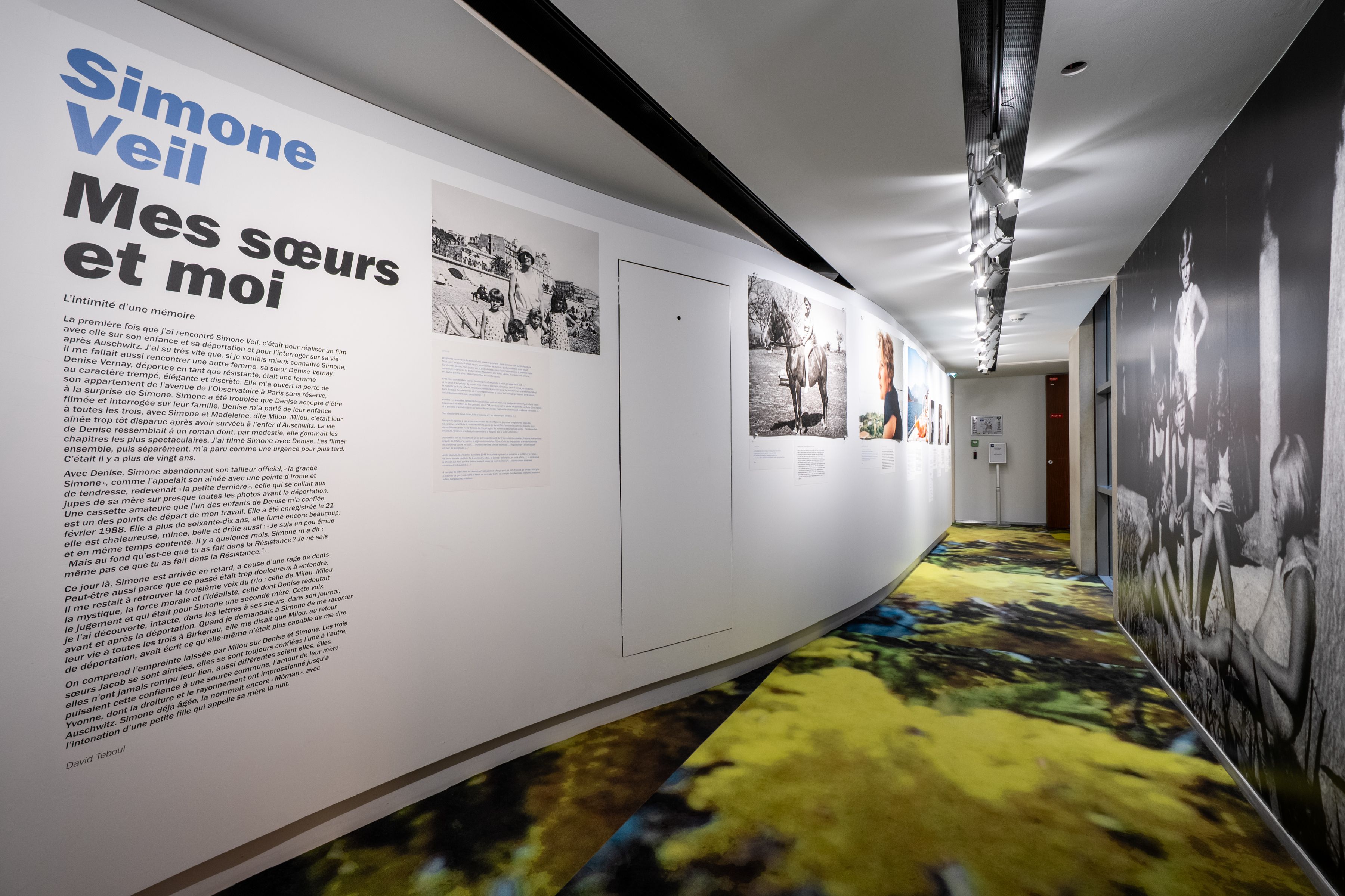
Exhibition scenography by French designer Cécile Degos exploring sensory storytelling – Simone Veil Soeurs ( My sisters and I) exposition
Credit Y Kellerman
WiB – Who is your favourite artist, and why?
Cécile Degos – I don’t have a single favorite artist. My perspective changes with each project. Certain figures, however, remain points of reference, depending on the medium. Sculpture, for example, interests me because it inscribes volume into space, often with a kind of delicate intensity. Sol LeWitt, with his conceptual and mathematical approach, or Joseph Cornell, with his poetic, introspective universe, are key references.
I also think of Auguste Rodin, Alberto Giacometti, Jusepe de Ribera, Jean-Michel Basquiat, Pablo Picasso, and Richard Avedon, whose works each reveal, in their own way, a form of direct, almost unmediated truth. What interests me are works that shift perception and resist immediate interpretation. Each artist offers a unique vision, and it is within this diversity that my own approach is shaped.
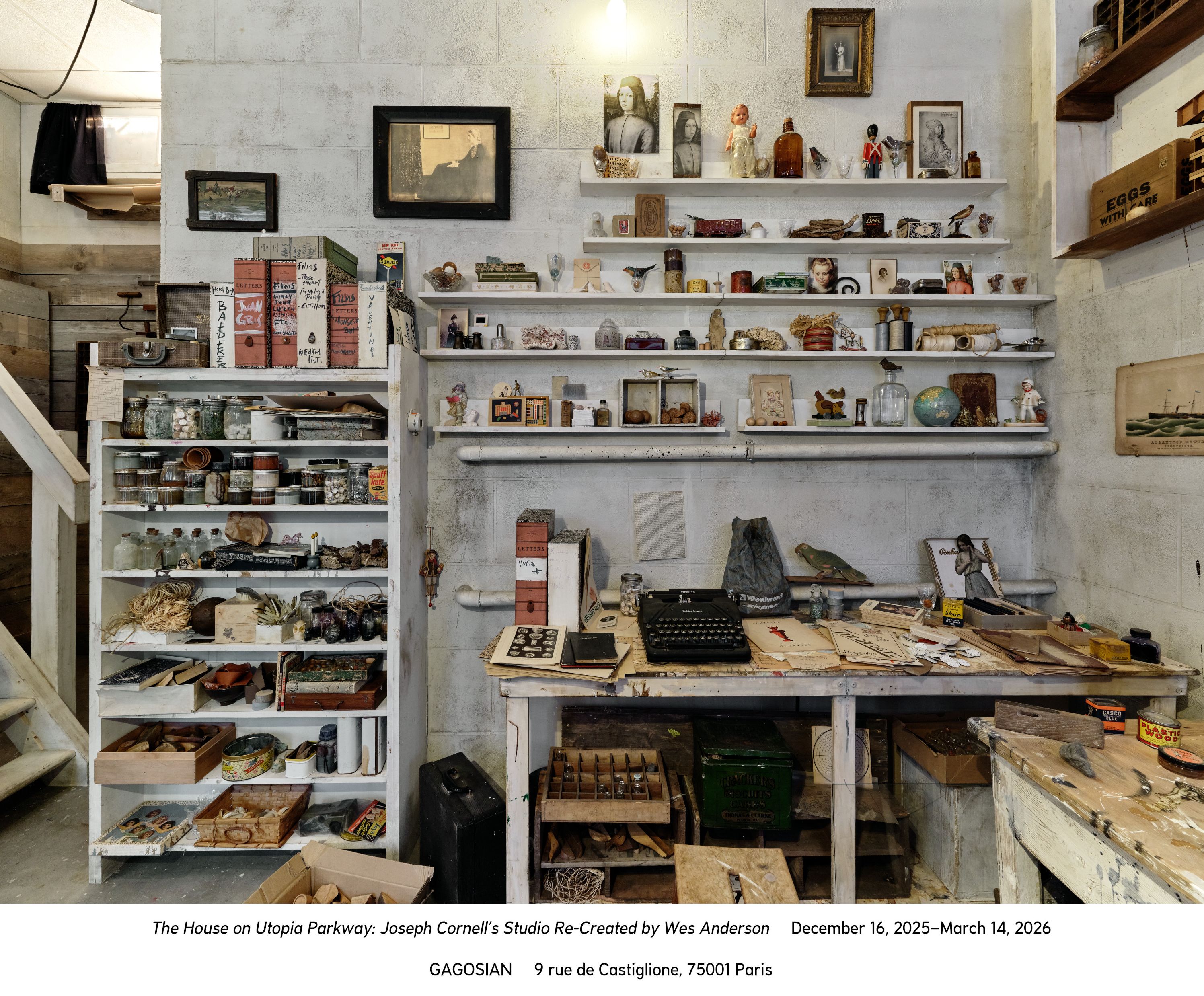
Olfactory design elements are used in exhibitions to evoke memory and emotion – Gagosian Exhibition
Credit Wes Andersen
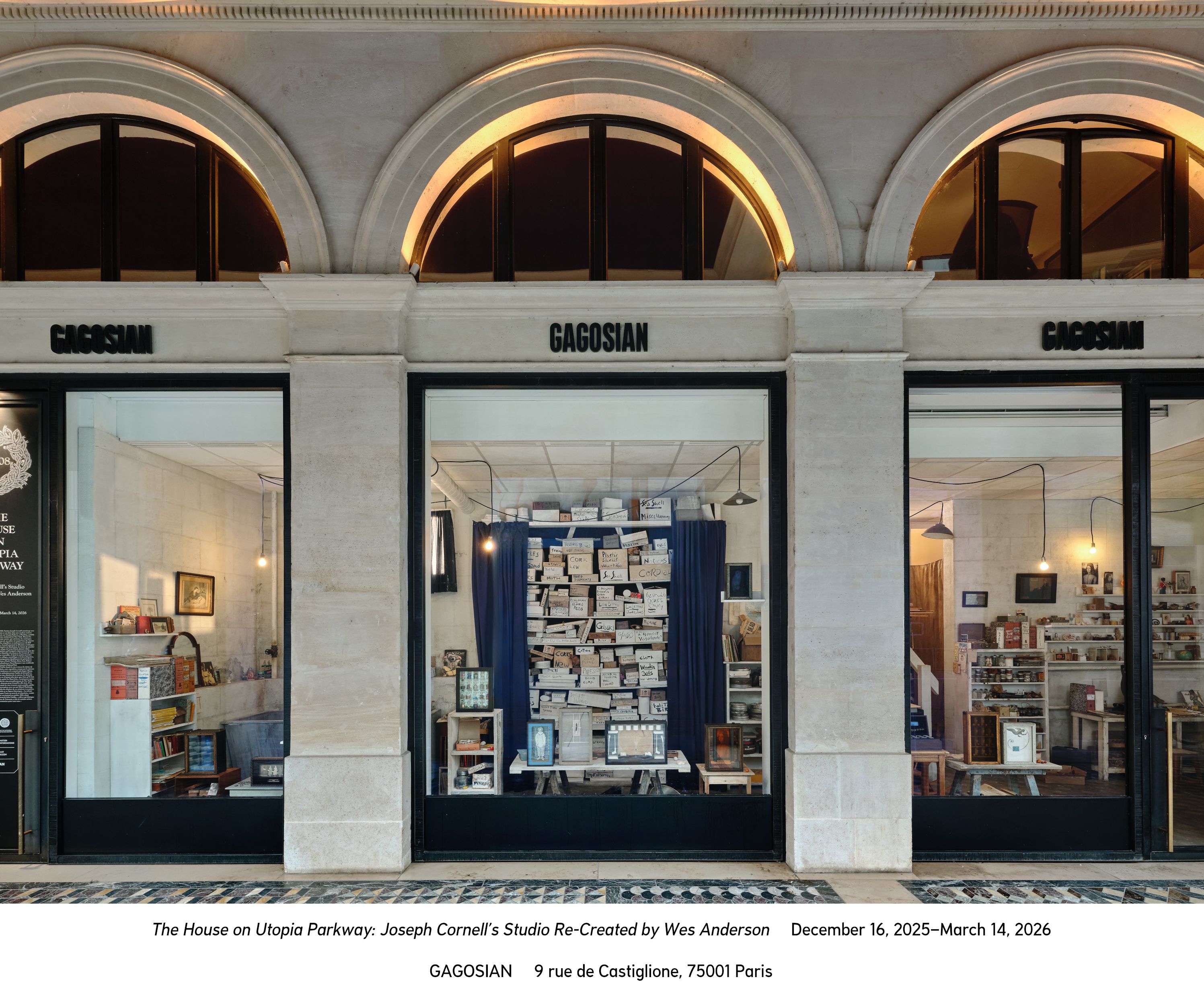
Olfactory design elements are used in exhibitions to evoke memory and emotion – Gagosian Exhibition
Credit Wes Andersen
WiB – What would you be doing if you were not working in exhibition scenography?
Cécile Degos – I would likely stay engaged in a practice related to space and perception, working more directly with materials and volumes. There is also a strong connection with perfumery in terms of composition and temporality—crafting an experience that develops over time and isn’t purely visual.
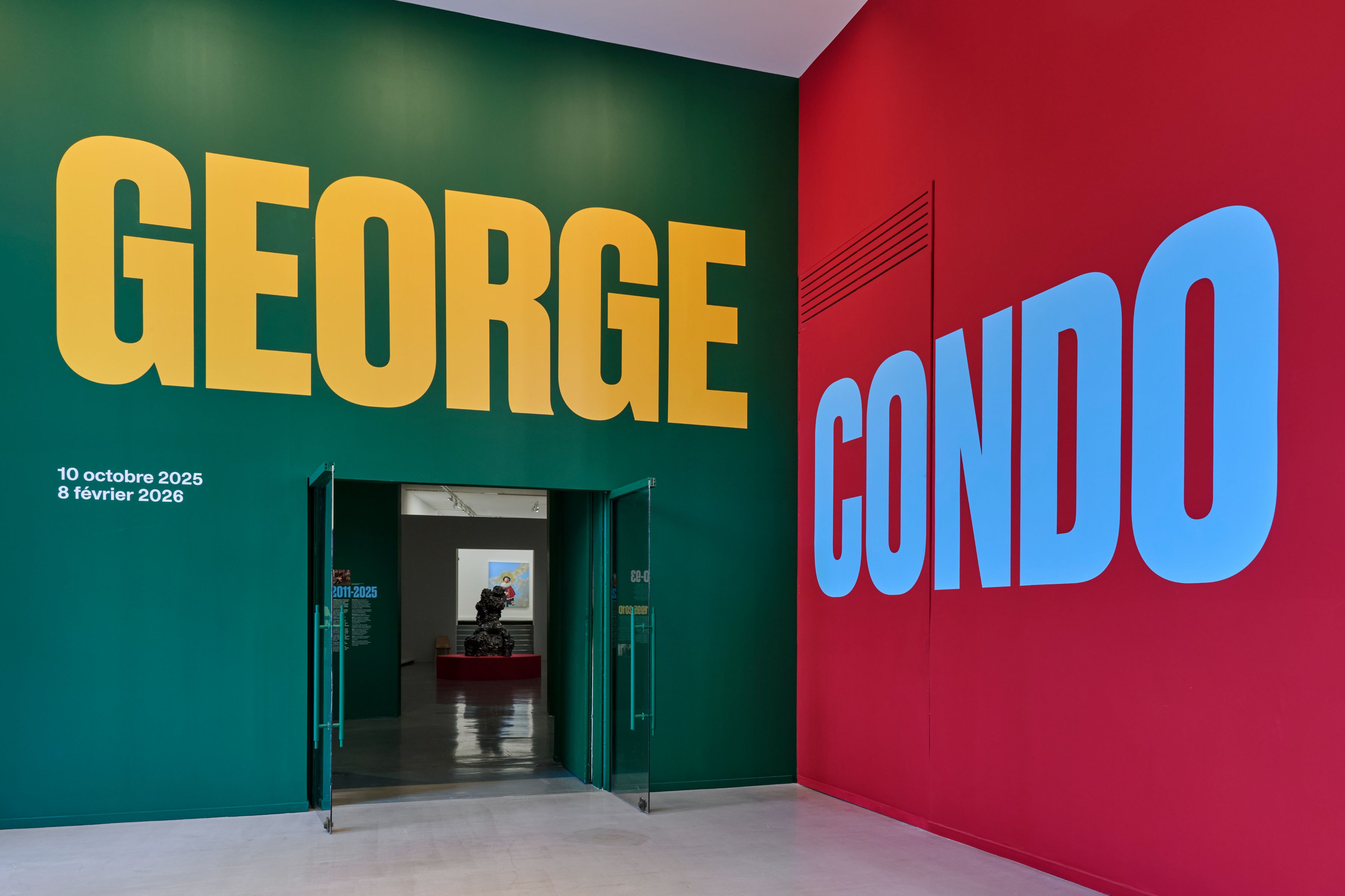
Cécile Degos integrates scent, light, and materials to create immersive exhibition scenography – Musée d’Art Moderne de Paris – Condo
Credit Pierre Antoine
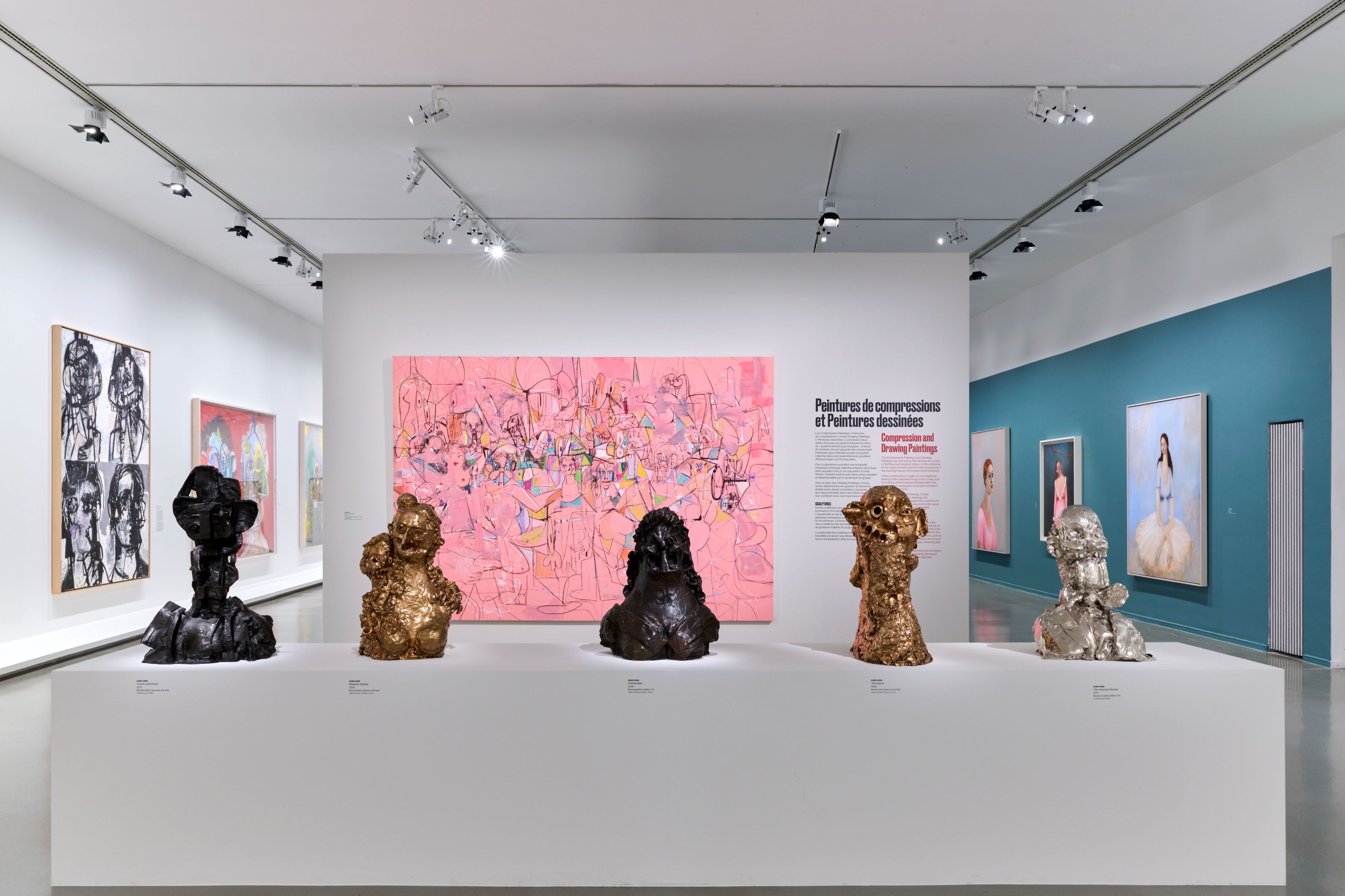
Cécile Degos integrates scent, light, and materials to create immersive exhibition scenography – Musée d’Art Moderne de Paris – Condo
Credit Pierre Antoine
WIB – Which of the exhibitions you have created has resonated with you the most, and why?
Cécile Degos – The most impactful projects are often the quietest ones—those where scenography achieves a near self-evident balance. The exhibition dedicated to Sol LeWitt remains a particularly vivid memory. Each wall drawing was based on a precise equation, a protocol, and the scenography had to support that rigor without ever overemphasizing it. It was both an intellectual and deeply sensory experience. Presenting Charles I at the Royal Academy of Arts in London was equally powerful, given the historical significance of the subject.
I have also curated exhibitions at the Museum of Art Pudong in Shanghai, particularly showcasing masterpieces from the Musée d’Orsay and the Musée du Louvre. Working across different cultural contexts is always enriching—it requires shifting perspectives. More recently, recreating Joseph Cornell’s studio for a project linked to Wes Anderson became a unique experience, blending theatre and cinema. These projects are often complex, influenced by strict scientific, technical, and conservation requirements. The challenge is always to balance precision with sensitivity. When that balance is achieved, the exhibition flows seamlessly—almost invisible to the visitor.
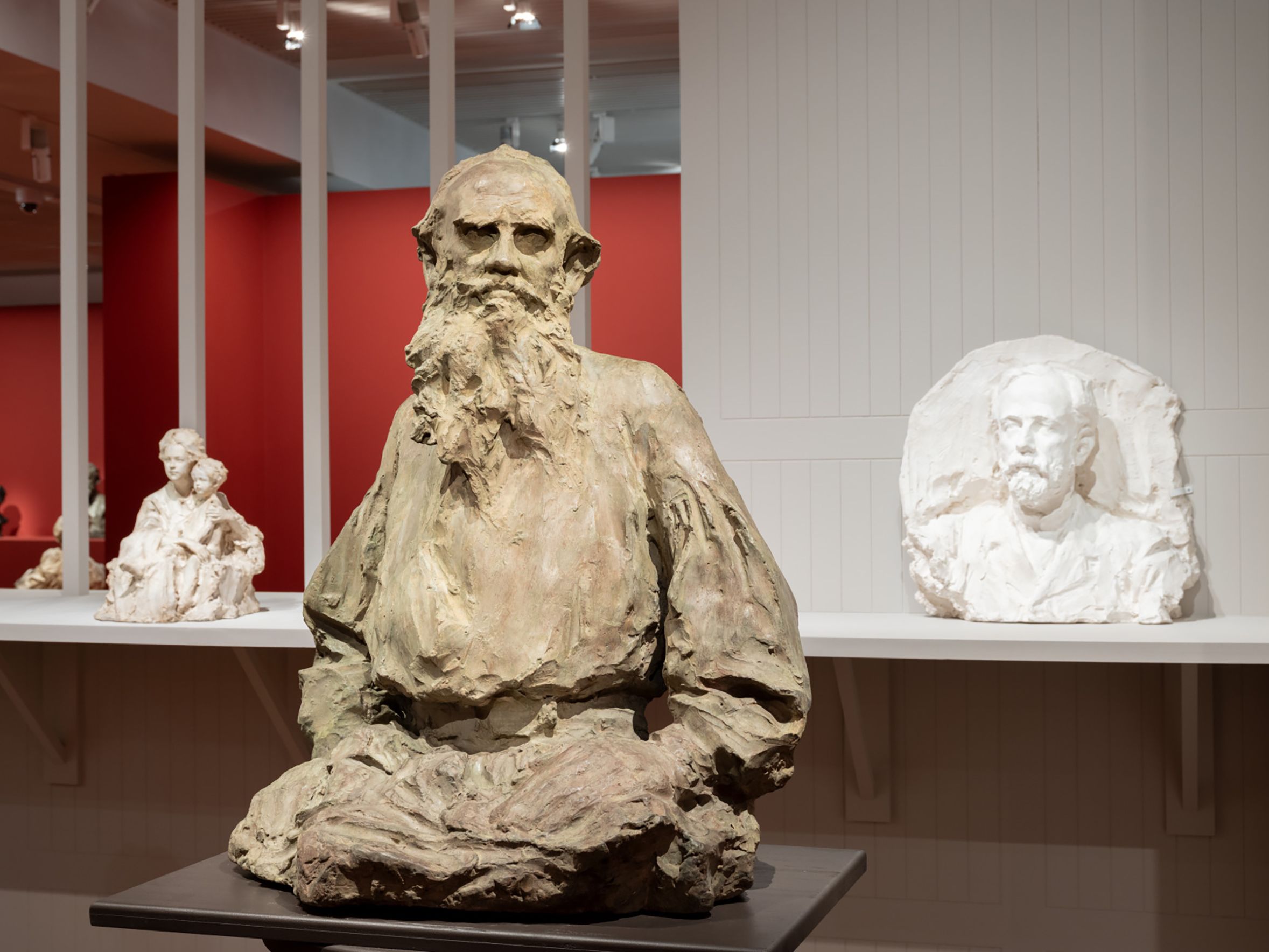
Exhibition scenography by French designer Cécile Degos exploring sensory storytelling.
Credit Cécile Degos
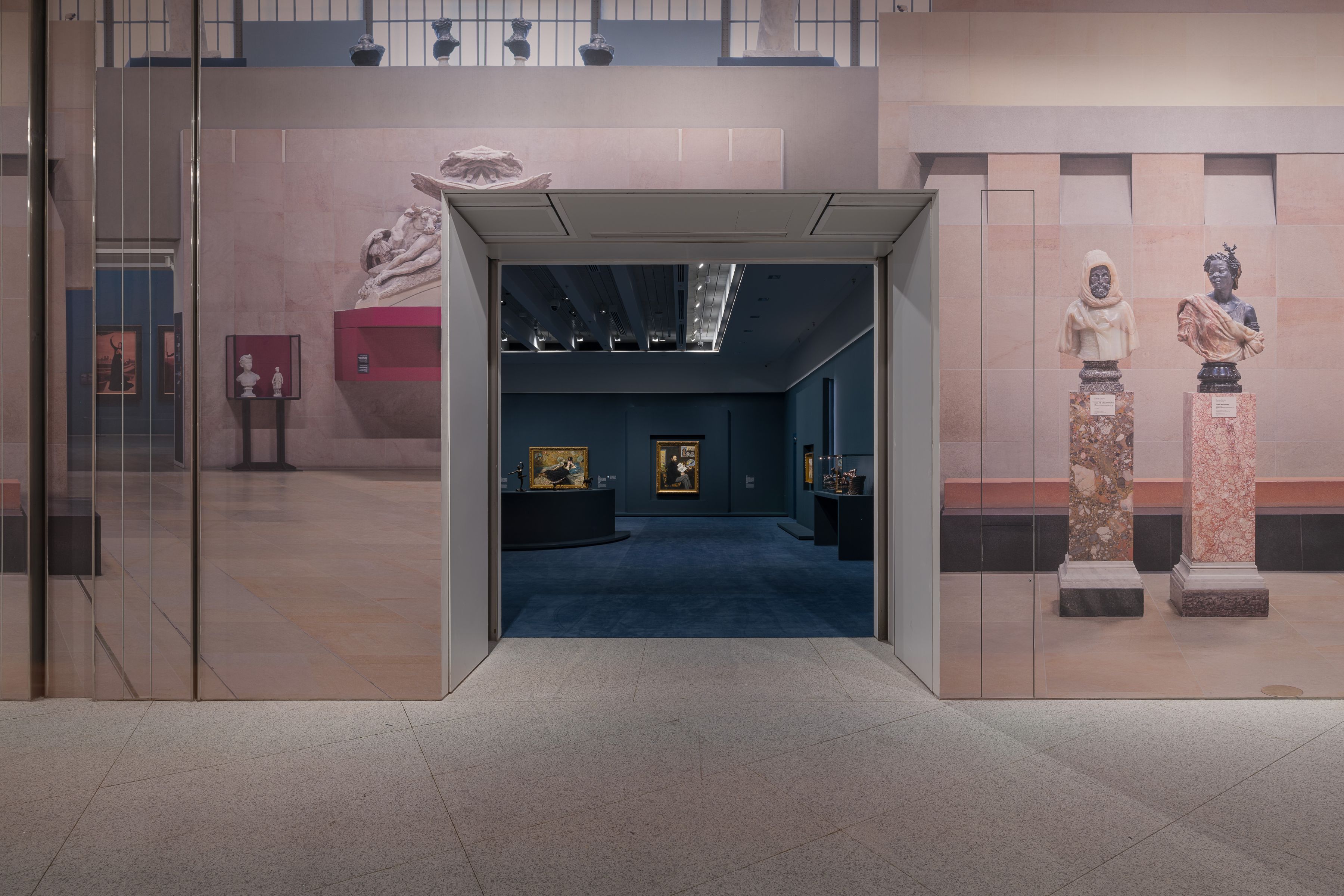
Cécile Degos’ scenography transforms museum spaces into immersive environments.
Credit Cécile Degos
WiB – Do you consider exhibitions as a form of emotional architecture?
Cécile Degos – Absolutely. An exhibition is a form of emotional architecture, where each element—light, sound, space, material—serves as a structural part. I see space as a sculpture placed within a specific environment. The role of scenography is to weave these elements into a unified and sensitive experience. Like architecture—or perfumery—everything ultimately relies on balance, proportion, and timing.
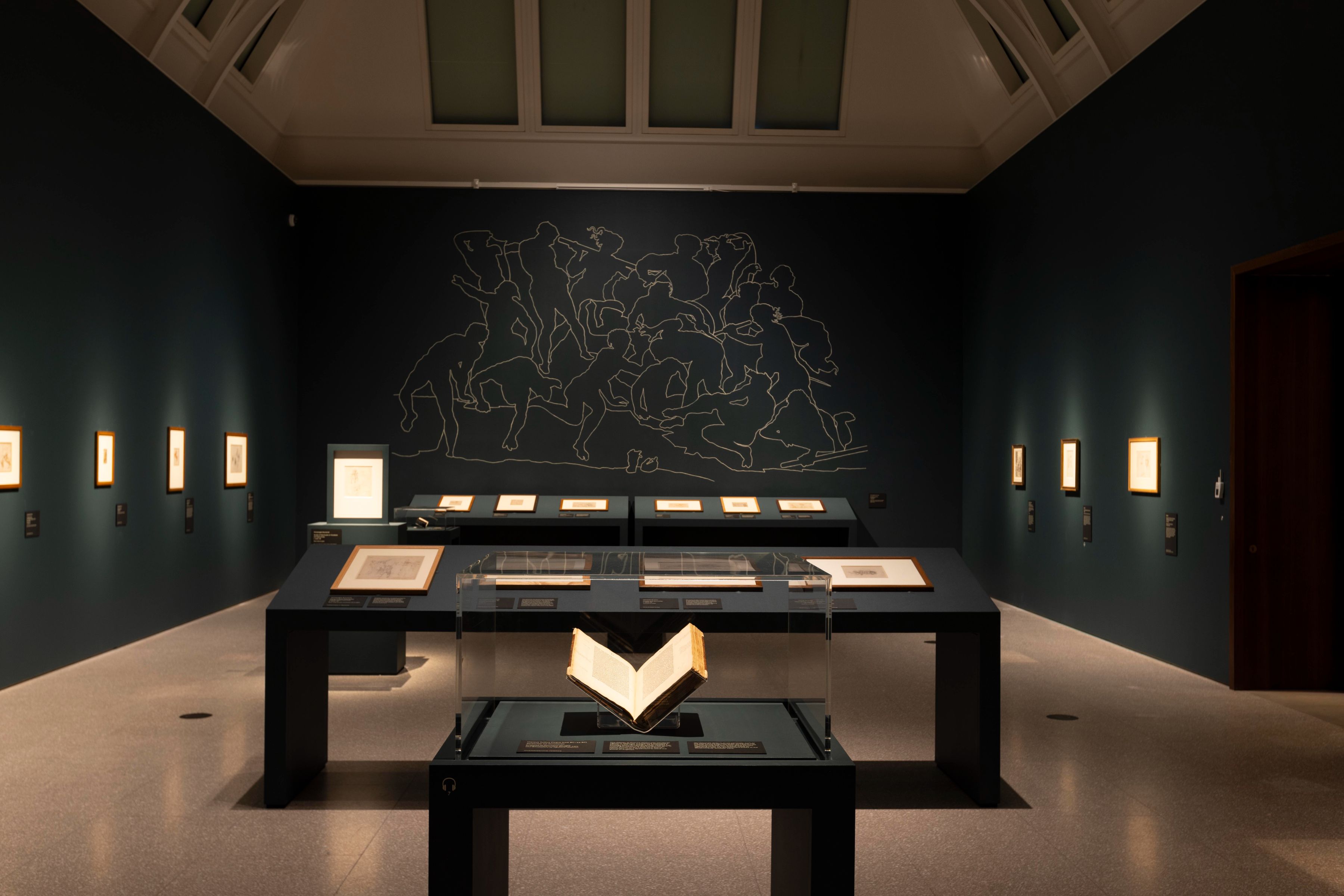
Cécile Degos integrates scent, light, and materials to create immersive exhibition scenography.
Credit Cécile Degos
WIB – What is your definition of art? What is your preferred medium?
Cécile Degos – For me, art is a way of revealing what initially escapes us. It’s not just about creating forms, but about opening new ways of perceiving. I choose scenography as my medium because it is a hybrid. It works through space, light, materials, color, and emotion, but also through time and movement. It exists at the boundary between the tangible and the intangible.
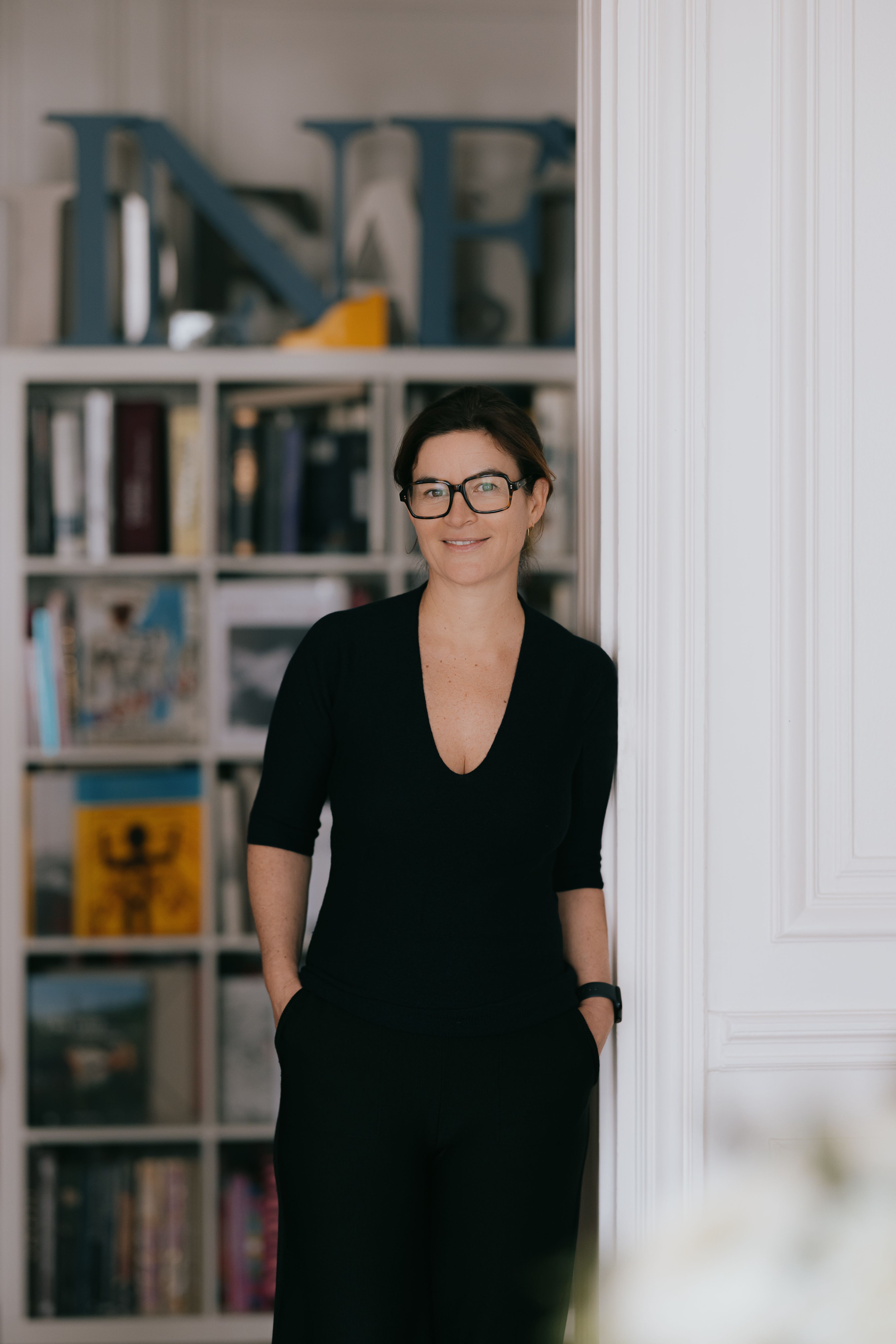
Cecile Degos-French designer exploring sensory storytelling.
Credit Alix Marnat
Cécile Degos studied at ENSAD in Paris, graduating in 1997 with a degree in exhibition design. She worked for nearly ten years with Richard Peduzzi and collaborated with Jérôme Deschamps and Macha Makeïeff. In 2005, she developed her own practice, notably at the Musée d’Orsay, focusing on Russian Art in the 19th Century. Her portfolio includes major shows like Basquiat at the Musée d’Art Moderne de Paris in 2011. She gained international recognition through projects for institutions such as the Salzburg Festival, the Théâtre du Châtelet, the Guggenheim in New York, and the Grand Palais.
Degos is known for exhibitions of artists such as Basquiat, Sol LeWitt, Haring, Picasso, Hartung, and Fontana, as well as historical shows like Art in Wartime at the Musée d’Art Moderne de Paris and the Guggenheim Bilbao. She designed the French Foreign Legion museum in Aubagne and showcased work at London’s Royal Academy of Arts, including Charles I, Picasso and Paper, Spain and the Hispanic Society. Since the Bourse de Commerce’s opening, she has designed many exhibitions. She customizes each scenography for the architectural context, often creating freestanding structures that subtly detach from walls, balancing solid and void to craft a rhythmic, open space that enhances visitor engagement.


